

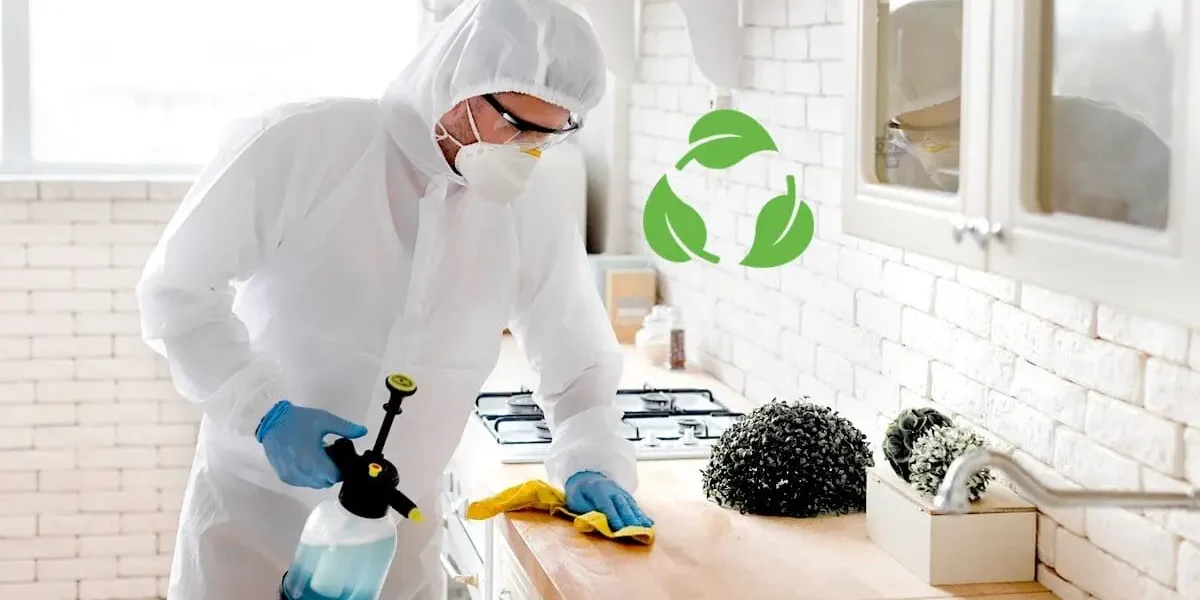
South Florida’s warm, humid climate, where the average relative humidity often exceeds 70% year-round and frequent heavy rains, tropical storms, and hurricanes—creates ideal conditions for mold growth. Homeowners and business owners from Fort Lauderdale, Boca Raton, West Palm Beach, and Jupiter are no strangers to water intrusion from roof leaks, flooding, HVAC condensation, or coastal moisture. Today, eco-friendly mold remediation is growing in demand across Florida. Learn more about it below.
Traditional mold remediation often relies on harsh chemicals like bleach, ammonia-based cleaners, or synthetic fungicides that effectively kill mold but can leave behind volatile organic compounds (VOCs), toxic residues, and environmental harm.
Increasingly, eco-conscious residents and companies seek alternatives that protect both human health and the fragile South Florida ecosystem. Eco-friendly mold remediation uses non-toxic, biodegradable, and sustainable methods and materials to remove mold while minimizing chemical exposure, reducing waste, and complying with strict local and state environmental regulations. These “green” approaches—centered on plant-based enzymes, HEPA filtration upgrades, recycled containment systems, and natural antimicrobials—deliver professional results without compromising safety or the planet.
This guide explores the science and benefits of sustainable mold remediation, specific green techniques and materials suited to our region, implementation steps for homes and businesses, cost considerations, and practical mold prevention strategies. Whether you manage a waterfront condo, a family home in a flood-prone area, or a commercial property in bustling Palm Beach or Broward County, green remediation offers a forward-thinking solution that aligns with Florida’s environmental priorities.
Why Eco-Friendly Mold Remediation Matters in South Florida
Conventional mold remediation often involves aggressive biocides that can irritate lungs, eyes, and skin, especially problematic for children, pets, elderly residents, or those with mold sensitivities and respiratory conditions. These chemicals may also contribute to indoor air pollution and runoff that affects South Florida’s waterways, coral reefs, and Everglades-adjacent ecosystems.
Green remediation methods address these concerns head-on. Plant-based enzymes and probiotic cleaners break down mold at the molecular level rather than simply killing surface growth, reducing the risk of regrowth while leaving no harmful residues. Biodegradable products are safe for wastewater systems and do not persist in the environment. Moreover, Florida’s regulations emphasize proper containment, disposal, and indoor air quality—green practices often exceed minimum standards set by the Florida Department of Business and Professional Regulation (DBPR) for licensed mold assessors and remediators, as well as EPA guidelines and the ANSI/IICRC S520 Standard for Professional Mold Remediation.
Recent innovations, such as the launch of a proprietary line of biodegradable, plant-based mold removal and prevention products, reflect growing local demand. These formulations contain no toxic or volatile compounds and are engineered for Florida’s challenging humidity. Similarly, there are other companies use EPA-registered enzyme-based products like Oceanic, which achieves 99.9999% efficacy by breaking down mold and allergenic proteins into harmless amino acids.
Eco-friendly remediation also supports material preservation. Harsh chemicals can damage porous surfaces like wood, drywall, or fabrics, leading to more demolition and landfill waste. Enzyme-based and natural approaches allow for gentler cleaning, salvaging more of the structure and contents—critical in a region where rebuilding after storms is already costly.
Key Sustainable Methods and Green Materials
-
Plant-Based Enzymes and Natural Antifungals
Enzyme cleaners represent one of the most promising green technologies. These bio-based solutions use naturally occurring proteins (often derived from plants, fruits, or microbes) to penetrate mold colonies and digest their organic structure. Unlike bleach, which only kills surface mold and can leave spores viable, enzymes break down the mold’s cell walls, proteins, and mycotoxins at the source.
Some popular options include:
- Moldzyme by EcoDiscoveries: A non-toxic, biodegradable, plant-based enzyme cleaner effective on showers, patios, closets, and outdoor surfaces common in Florida. It removes stains and odors without chlorine, ammonia, or fumes and is safe for kids, pets, and sensitive individuals.
- Oceanic (used by Green Home Solutions): An EPA-registered catalytic enzyme fungicide that not only eliminates spores but also neutralizes allergens.
- Other natural ingredients: Tea tree oil, grapefruit seed extract, citric acid, and probiotic blends.
These products are particularly effective in humid South Florida because many enzyme formulations perform well in moist environments and continue working preventatively when applied as maintenance sprays.
-
HEPA Filtration Upgrades and Air Scrubbing
High-Efficiency Particulate Air (HEPA) filtration is a cornerstone of both traditional and green remediation. During the process, negative air machines and air scrubbers equipped with true HEPA filters (capturing 99.97% of particles 0.3 microns and larger) trap airborne mold spores and prevent cross-contamination.
For sustainability:
- Upgrade HVAC systems with high-MERV (Minimum Efficiency Reporting Value) or HEPA-compatible filters (MERV 13–16 recommended for Florida homes).
- Use portable HEPA air purifiers with activated carbon stages to adsorb odors and VOCs post-remediation.
- Choose energy-efficient models with low power consumption to reduce the carbon footprint.
HEPA vacuums are mandatory for final cleanup in professional protocols, ensuring no dust or mold spores remain. In green projects, these tools pair perfectly with enzyme treatments, as they remove neutralized residues without spreading chemicals.
-
Recycled and Sustainable Containment Materials
Containment is essential for projects larger than 10 square feet per IICRC and Florida standards. Traditional 6-mil polyethylene sheeting works well, but greener alternatives reduce plastic waste:
- Recycled-content plastic barriers or reusable containment systems.
- Biodegradable or compostable films where appropriate (though structural integrity must be maintained).
- Modular, reusable framing and sealing tapes.
After remediation is completed, properly disposed containment materials from green jobs generate less hazardous waste. Some firms partner with recycling programs for construction plastics.
-
Additional Green Techniques
- Probiotic Cleaners: Introduce beneficial bacteria that compete with mold for resources, creating a natural balance (used in fabric, carpet, and general surface cleaning).
- Fogging or Misting with Natural Solutions: Low-VOC botanical fogs disperse enzymes or essential oils evenly in hard-to-reach areas like attics, ducts, and crawl spaces.
- Dry Methods Where Possible: HEPA vacuuming, damp wiping with natural detergents, and controlled drying minimize water use and chemical needs.
- UV and Ozone Avoidance in Green Protocols: While sometimes used, many eco-focused firms prefer enzyme and filtration methods to avoid potential byproducts.
These techniques align with “green remediation” principles that reduce the overall environmental footprint of cleanup projects.
The Process for Eco-Friendly Mold Remediation
Professional eco-friendly mold remediation follows a structured protocol similar to standard IICRC S520 guidelines but prioritizes sustainability:
- Assessment and Planning: A licensed mold assessor identifies the extent and type of mold. Eco-conscious firms evaluate material salvageability and select green products tailored to the site (e.g., enzyme-safe for historic homes or businesses with sensitive occupants).
- Containment and Protection: Establish physical barriers with negative air pressure using HEPA-equipped equipment. Protect occupants and workers with minimal PPE when low-toxicity methods are used.
- Source Removal: Physically remove heavily contaminated porous materials (drywall, carpet, insulation) that cannot be salvaged. Use HEPA vacuums to minimize dust.
- Cleaning and Treatment: Apply plant-based enzymes or natural antifungals to affected surfaces. Allow dwell time for breakdown, then wipe or vacuum residues. Clean the contents with probiotic or enzyme solutions.
- Drying and Filtration: Use dehumidifiers and air scrubbers to achieve humidity below 50%. Run HEPA systems continuously.
- Prevention and Restoration: Apply preventative enzyme sprays or probiotic coatings. Install humidity controls, upgraded filters, and moisture-resistant materials. Rebuild with sustainable, mold-resistant products (e.g., low-VOC paints, recycled drywall alternatives).
- Post-Remediation Verification: Independent testing confirms clearance. Air and surface samples should show normal fungal ecology.
For small areas (<10 sq ft), homeowners can use DIY enzyme products like Moldzyme with proper PPE and ventilation, but larger jobs require licensed professionals.
Benefits for Homes and Businesses in South Florida
- Health Protection: Reduced VOCs and residues mean safer re-occupancy, especially important for schools, healthcare facilities, vacation rentals, and family homes.
- Environmental Compliance and Stewardship: Minimizes runoff into Biscayne Bay, the Intracoastal, or stormwater systems. Supports Florida’s focus on sustainability amid climate challenges.
- Cost Efficiency Long-Term: Less material disposal, preserved structures, and lower risk of recurrence translate to savings. Preventative maintenance with green products extends intervals between professional interventions.
- Market Appeal: Eco-friendly certification or practices can enhance property value and attract tenants or buyers who prioritize green living—growing trends in South Florida’s real estate and tourism sectors.
- Business Advantages: Restaurants, offices, and hotels maintain operations with minimal disruption and demonstrate corporate responsibility.
Case examples from Florida mold companies show successful outcomes: enzyme treatments preserving wooden structures in older Jupiter Farms homes or probiotic cleaners maintaining air quality in West Palm Beach commercial buildings without shutting down during treatment.
Cost Considerations for Eco-friendly Mold Remediation
Eco-friendly mold remediation services may carry a 10–30% premium upfront due to specialized products and techniques, but total project costs can be comparable or lower when factoring in reduced disposal fees, faster re-occupancy, and prevention of future issues. Always request:
- Proof of a Florida mold remediation license.
- Experience with green methods and IICRC certifications.
- Transparent product lists (look for EPA-registered, biodegradable, plant-based, low/zero-VOC).
- References from similar South Florida projects.
- Post-job air quality testing.
Local mold remediation companies like Mold Only offer hybrid or fully green packages.
Prevention: Building a Sustainable Defense Against Mold
The best remediation is proactive mold prevention. Integrate these habits:
- Maintain indoor humidity at 45–50% with smart dehumidifiers and AC maintenance.
- Upgrade to HEPA or high-MERV HVAC filters and change regularly.
- Use enzyme-based preventative sprays in bathrooms, kitchens, and attics after storms.
- Choose mold-resistant, low-VOC building materials during renovations.
- Install smart sensors for early moisture detection.
- Schedule annual professional inspections, especially for waterfront or older properties.
After hurricane season or extreme flooding, act quickly with green drying and enzyme treatments within 24–48 hours to prevent colonization.
A Greener Future for Mold Management in Florida
Eco-friendly mold remediation represents the evolution of indoor environmental care—effective, safer, and aligned with South Florida’s unique environmental ethos. By embracing plant-based enzymes, advanced HEPA systems, recycled materials, and natural antimicrobials, homeowners and businesses can eliminate mold threats without introducing new ones to health or the ecosystem.
If you suspect mold in your property, consult with a licensed mold remediation professional (like us) who’s experienced in sustainable mold removal methods. Explore enzyme products for maintenance and pair them with humidity control for lasting protection. Your home or business, and Florida’s natural beauty will benefit from these thoughtful, forward-thinking eco-friendly mold remediation solutions.
Acting green today ensures cleaner air, healthier living spaces, and a more resilient community tomorrow. Don’t let mold compromise your well-being or the environment; choose sustainable mold remediation services for a fresher, safer South Florida spaces.
If you want to learn more about our eco-friendly mold remediation services for South Florida, please contact us online or call us today at: 866-591-6653