

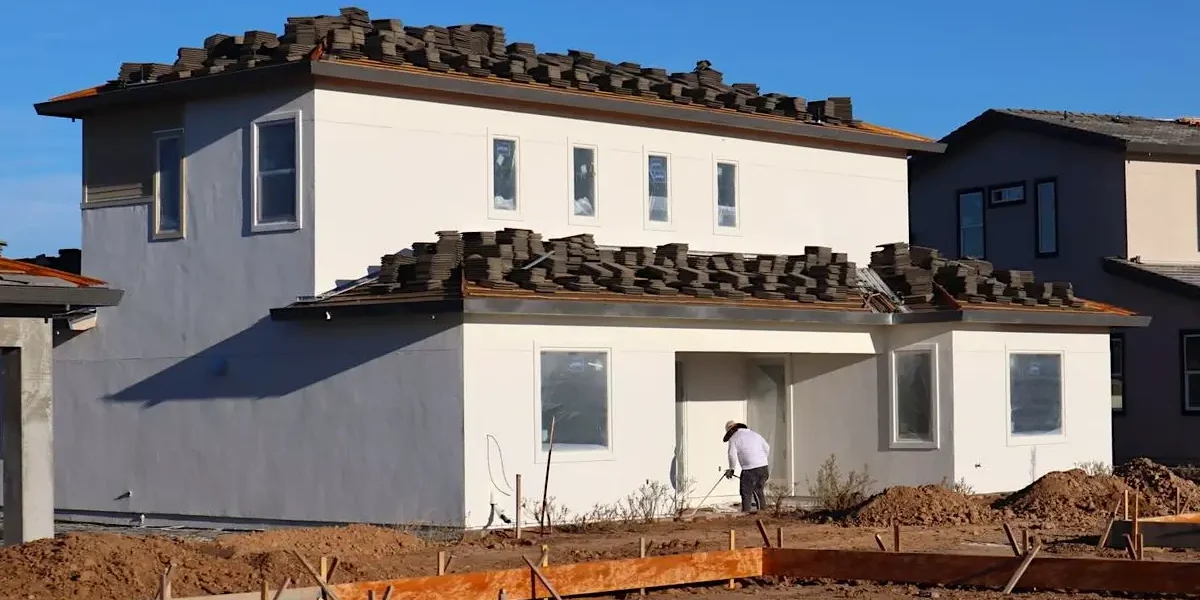
A surprising trend keeps coming up about the rise of hidden mold in brand-new homes in South Florida. Not just limited to older homes, new homes in Palm Beach County and Broward County can develop mold issues before anyone even moves in. At Mold Only, we see this more often than most people expect. New construction does not automatically mean a mold-free home, especially in our super humid climate.
The Reality of Mold in Newly Built Properties
Industry discussions point to what some call the 1-in-5 rule. Data shared in building and indoor air quality circles would suggest that roughly one in five new buildings can face mold concerns before occupancy.
This is not limited to older or poorly maintained homes. In places like West Palm Beach, Boca Raton, Fort Lauderdale, and Pompano Beach, the combination of local weather and modern building methods creates conditions that favor hidden growth. Moisture from rain, high outdoor humidity, and materials that still hold water can settle into framing, slabs, and wall cavities long before the final walkthrough.
Over the years, our technicians have walked through plenty of homes that looked perfect on the surface yet showed elevated moisture readings or early microbial activity behind the drywall. The problem often stays out of sight until a musty odor appears or someone starts noticing unexplained allergy symptoms.
Why the 1-in-5 Figure Matters Locally
South Florida’s subtropical environment raises the stakes quite a bit. Humidity levels here frequently stay above 70 percent for much of the year, and heavy rain events are very common. When construction timelines push crews to close up a structure quickly, residual moisture has fewer chances to escape. Concrete slabs, for example, can release water for months after they are poured. Wood framing that got wet during a storm may still carry enough moisture to support growth once it’s sealed inside the walls.
Surveys and field reports from various regions show mold or moisture complaints appearing in a notable share of homes that are under three years old. In our experience serving Palm Beach and Broward, the pattern holds steady.
How Modern Building Practices Contribute
Today’s energy-efficient designs aim to keep conditioned air inside and outdoor air out. That tight seal helps with utility costs, yet it can also trap construction moisture. Builders sometimes enclose wet wood or incompletely cured concrete before everything has dried thoroughly. Once the house is buttoned up, that moisture has limited paths to leave.
Homebuilders have increasingly turned to using smart automated ventilation systems for this reason. Continuous air cycling and humidity control help keep indoor relative humidity in a safer range and reduce the chance that mold takes hold early. Without adequate mechanical ventilation, everyday activities after move-in, like showers, cooking, and even breathing can push moisture levels higher.
Common Pathways for Moisture in New Construction
Several factors tend to appear in the cases we handle:
- Framing lumber or sheathing that sat exposed to rain or high humidity before the roof and walls were finished.
- Concrete slabs that continue to off-gas moisture for weeks or months.
- Drywall installed over materials that had not fully dried.
- Tight building envelopes that limit natural drying once the structure is closed.
In Broward and Palm Beach, CBS (concrete block and stucco) construction is fairly widespread. These systems can wick moisture in certain conditions, especially on flat terrain where water lingers near the foundation. Improper flashing, incomplete drying, or rushed schedules can allow that moisture to reach interior surfaces.
Why New Florida Homes Get Hidden Mold
- Rain Exposure During Build: Lumber, roof trusses, and subfloors are frequently left unprotected in Florida rainstorms during framing, then sealed up with drywall before they are completely dry.
- Slab Moisture Migration: Concrete slabs take 6 to 12 months or longer to fully dry; installing vinyl, tile, or wood flooring too early traps moisture underneath.
- Tight Envelope & Pressure Imbalances: Modern energy-efficient homes can create negative indoor pressure from exhaust fans or AC units, pulling humid outdoor and attic air into wall cavities.
- HVAC & Duct Condensation: Poorly balanced air conditioning or damp ductwork can spread spores through the house before visible signs appear.
Common Hidden Locations
- Behind baseboards, wainscoting, and interior drywall
- Inside wall cavities and insulation (such as fiberglass paper backing)
- Beneath hard flooring or tile installed over damp concrete slabs
- Inside attic roof trusses and air-handling duct systems
Warning Signs to Watch For
- Persistent musty or earthy odors when the air conditioner turns on
- Unexplained allergy flare-ups, coughing, or respiratory irritation among household members
- High indoor relative humidity levels (consistently over 60%)
- Subtle discoloration or dust streaks near air vents
Buyer Rights and Recourse in Florida
- Pre-Closing Inspections: Independent mold and moisture assessments prior to closing or drywall installation are critical, as state laws allow private building inspectors in some jurisdictions.
- Builder Warranties & Statute 558: Florida law provides a 1-year statutory building code warranty and options under Florida Statute Chapter 558 for construction defects, subject to a 60-day pre-suit notice requirement.
- Licensing Rules: Under Chapter 468 of the Florida Statutes, mold assessments and large-scale remediations (over 10 square feet) must be performed by separate, state-licensed professionals to avoid conflicts of interest.
Signs That Hidden Mold May Appear in a Brand-New Home
Hidden mold in brand-new Florida homes rarely announces itself with large visible patches right away. More often, homeowners notice one or more subtler clues. A persistent musty smell that does not fade after airing out the house can be one early indicator. Condensation that forms regularly on windows, slight discoloration near baseboards, or soft spots in drywall may also warrant a closer look.
In South Florida, we sometimes find elevated readings in wall cavities behind kitchen cabinets, under flooring near exterior doors, or in HVAC systems that circulated humid air during the final stages of construction. Because the growth stays concealed, a professional moisture assessment and air sampling become useful tools for confirming what is happening.
Local Factors That Raise the Risk
Palm Beach and Broward counties experience long stretches of warm, moist air. Afternoon storms are routine during the wet season. Construction sites that remain open for extended periods absorb a lot of that moisture. Once the home is sealed up and the air conditioning starts running, cooler surfaces can encourage condensation if humidity levels are not managed carefully.
The builders who utilize continuous ventilation and dehumidification during and after construction tend to see fewer of these issues. Still, not every project includes those steps at the ideal time or scale.
What Homeowners in Palm Beach and Broward Can Do
If you are buying or recently moved into a newly built home, getting a thorough inspection focused on moisture and mold can provide useful information. Look for documentation that materials were allowed adequate drying time. Ask the inspector (like us) about the ventilation system and whether it includes humidity sensing or continuous operation features.
At Mold Only, our approach starts with careful assessment rather than making assumptions. We use moisture meters, visual inspection of accessible areas, and 3rd party laboratory analysis of samples when needed. The goal is to identify whether residual construction moisture or other sources are present and then address them according to established standards.
Prevention after the move-in also helps minimize issues. Running exhaust fans during showers, maintaining reasonable indoor humidity (ideally below 60 percent), and ensuring the HVAC system is sized and maintained properly all reduce the chance that small issues grow larger.
Addressing The Issues When Mold Appears
If and when mold is confirmed in a new home, the work usually involves containing the affected area, removing contaminated materials that cannot be cleaned effectively, cleaning remaining surfaces, and verifying that moisture sources have been corrected. Post-remediation testing also helps confirm that the levels of mold spores have returned to more acceptable ranges.
Because many new homes still fall under builder warranties, early documentation can support conversations with the builder if construction-related moisture played a role. Independent testing provides an objective record.
Looking Ahead in South Florida’s Construction Market
The discussion around mold in brand-new homes in South Florida continues to grow as more people share experiences and as building science emphasizes the need for drying and ventilation. Tight construction brings energy benefits, yet it also requires deliberate moisture management. Automated systems that cycle air and control humidity represent one practical response that more builders are adopting.
For homeowners in Palm Beach County and Broward County, mold awareness remains a practical first step. A new home offers many advantages, but it doesn’t eliminate the basic conditions mold needs: moisture, organic material, and time. By better understanding how those conditions can arise during construction, it’ll help you protect your big investment and indoor environment.
If you have any concerns about hidden mold in a newly built home, seeking out a professional evaluation focused on local conditions can clarify the situation without unnecessary alarm. At Mold Only, we focus on thorough, straightforward assessments and professional mold removal and remediation that address the actual moisture dynamics common to our region.