

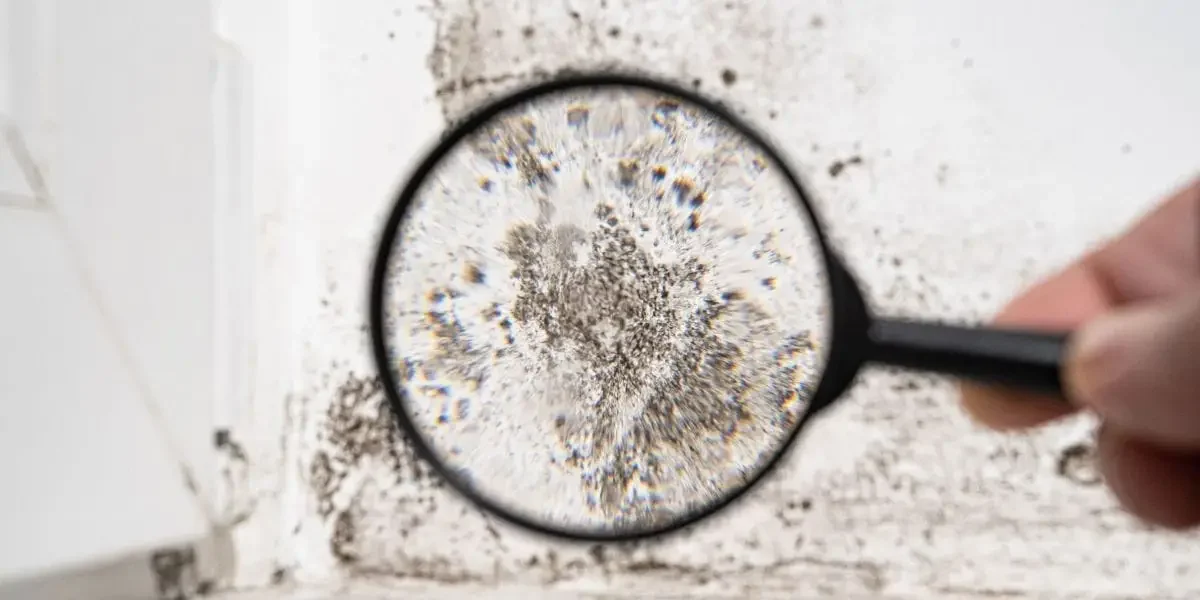
Black mold is visually distinct, comes with a potent scent, and screams out “Danger!” to all those who see it in their houses. Below, we’ll discuss how to identify, remove, and prevent toxic black mold from flourishing. We’ll also address some truths and myths regarding the danger of black mold exposure in your home.
What Is Black Mold?
When it comes to black mold, also known by its scientific name Stachybotrys chartarum, it’s a common type of household mold in the United States. Known for its greenish-black color, like most molds, it appears in damp, high-humidity environments. Black mold is especially fond of cellulose and thus grows best on paper or fiberboard.
Why Is Black Mold “Toxic”?
At Mold Only, we believe in being transparent and honest with our customers. If you see what you believe is black mold in your home, don’t panic. Black mold is referred to as “toxic” after the CDC questioned if mold was the cause after reviewing a situation in 1995 where infants in moldy homes were diagnosed with a similar sickness.
Despite finding out that the mold wasn’t the issue causing the infants to get sick, the media of the time ran with it, and today, we still associate Stachybotrys chartarum with something deadly. To this day, the CDC still says that a link between acute idiopathic pulmonary hemorrhage in infants and black mold does not exist.
The Dangers of Black Mold
We encounter mold spores constantly throughout our day. Mold becomes more than an unsightly home problem when the spore count is high enough to begin causing irritation. Unlike a deadly poison, black mold spores are an irritant that leads to allergy-like symptoms, fatigue, or headaches.
While it is always best to address mold when it appears, the urgency to remove and remediate black mold situations comes when family members have breathing problems like asthma or severe mold allergies. If these symptoms affect small children, they should remain outside of high spore count environments until remediation specialists resolve the mold situation.
Identifying Black Mold in Your Home
Black mold is iconic due to its infamy. Here are a couple of ways to identify toxic black mold quickly visually.
Deep Green-Black Coloration
Black mold is always a dark color, but it won’t always appear entirely black. In well-lit areas, it is apparent that black mold is often a deep green color. As it appears initially, the mold may look like more of a dusty grey until it establishes itself. What surface the mold is growing on and how moist it is impacts the coloration.
Circular Growth Patterns
Typically, black mold appears as large, splotchy circles growing along the dampest part of the surface. It’s important to know that each case of black mold looks somewhat different and that black mold can also be present alongside other mold types.
However, if any suspected black mold needs to be tested to confirm its type of species.
Black Mold Removal
Black mold removal is a wonderful place to start once the mold in your home is spotted and identified. Here are some things to consider about toxic black mold removal as you seek out a specialist for later remediation:
Home Treatments
If you see mold in your home, you do have options for removing it then and there. The first step is to wear proper protection, including gloves, goggles, and a respirator as you get close to and interact with the mold.
While some chemical removers or DIY vinegar and baking soda mixtures do well to address surface mold, remember to test an area of the surface you’re cleaning with the mixture before spraying it more to ensure the chemicals do not cause further damage.
Mold Growth on Objects
Addressing mold in the home may mean having to deep clean or throw away some affected objects. Paper, such as photographs and documents, cannot have mold cleaned off them in a way that isn’t further damaging. Instead, take digital pictures of these objects and toss them. Whether they’re stuffed animals, fabrics, and other affected porous surfaces, these are difficult to save and should be discarded.
However, many surfaces with mold on them are salvageable. Item detailing and air treatment are effective methods for removing mold from objects that did not experience heavy moisture.
Black Mold Prevention
Mold removal is not the end of the story for black mold once it appears in your home. Consider the fact that mold does not grow only on the surfaces you can see. It’s also important to address the issues which allow mold to thrive in your home, such as leaks or faulty downspouts. Remediation takes the following steps not just to remove the mold you can see, but also to help prevent mold growth in the future.
Testing the Mold
To most efficiently address mold growth in your home, mold remediation specialists start by testing the mold currently present there. By sampling surfaces and air, certified mold remediation teams like us can offer you a better picture of what fungus is growing and what steps need to be taken.
Finding and Addressing the Moisture Source
Mold can return after removal if the moisture source that allowed it to grow in the first place isn’t tackled. There are a number of reasons moisture may be present in your home, ranging in severity from small sink leaks to flooding events. Your remediation team works quickly to not only find the source of the issue when it’s unknown but also to solve the problem and get the moisture out of your home.
Isolating Black Mold
A small but important touch in mold remediation is mold isolation. Mold spores in the air can enter your home quickly and can spread to other rooms, into your air ducts, and into your lungs when you breathe. Experienced mold remediation specialists like Mold Only work to isolate the mold and ensure that the mold spores are contained. Then, our team of specialists will work diligently to remove it entirely as the black mold issue is thoroughly addressed.
Cleaning, Sanitation, and Safe Disposal
Once the mold is physically removed, a remediation team like us cleans and sanitizes the entire space where the mold was present. This process makes it harder for it to appear there again. Infected surfaces are sealed and made safe for you and your family. Then, mold and items that are not salvageable are safely disposed of by the mold remediation specialists.
Mold Prevention Methods
Finally, when your home is mold-free, a certified mold remediation company like Mold Only works with you to ensure that you are equipped with up-to-date and effective mold prevention techniques. This can involve looking for additional leaks, sealing home windows to lower moisture levels, or addressing poor air quality.
FAQs about Toxic Black Mold
Below are several common questions about toxic black mold, the dangers, safe removal, and prevention tips for homes and offices in South Florida.
Is toxic black mold really as dangerous as people say?
Black mold (Stachybotrys chartarum) is often overhyped as a deadly toxin due to old media stories. In reality, it acts mainly as a strong irritant that can trigger allergy-like symptoms, fatigue, headaches, and breathing issues when spore levels are high. It is rarely life-threatening for healthy adults, but young children, asthmatics, and those with severe allergies should avoid exposure until professionally remediated.
What does toxic black mold actually look like?
It typically appears as a deep greenish-black or black growth with a slimy or powdery texture. It often starts in circular patches on damp cellulose materials like drywall, wood, or paper. Early growth may look dusty gray before turning darker. If you suspect you have it, professional mold testing is the only way to confirm the type of mold species rather than relying on color alone.
Can I safely remove toxic black mold myself?
For very small, easily accessible patches, you can try DIY methods while wearing proper protective gear (gloves, goggles, and a respirator). However, for larger areas, hidden growth, or any situation involving HVAC systems or porous materials should be handled by professionals. DIY cleaning often fails to address the roots or contain the spores, which can spread the problem throughout your home.
Why is addressing the moisture source more important than just killing the mold?
Black mold only grows where there is consistent moisture. Killing visible mold without fixing leaks, condensation, poor ventilation, or water damage from storms allows it to return quickly. True prevention involves locating and eliminating the water source first—especially critical in South Florida’s humid, flood-prone environment.
Does toxic black mold always have a strong smell?
It frequently produces a potent musty or earthy odor, often described as “dirty socks.” However, some infestations—particularly early or hidden ones—may have little to no noticeable smell. Visual warning signs and water damage history are usually more reliable indicators than scent alone.
How can I prevent toxic black mold from returning after removal?
After professional remediation, focus on long-term moisture control: keep indoor humidity levels below 60%, use exhaust fans in bathrooms and kitchens, fix leaks immediately, improve ventilation, and schedule regular inspections. In South Florida, checking for water intrusion after heavy rains or hurricanes is essential.
Should I get my home tested even if I can see the black mold?
Yes. Visual identification is a good starting point, but professional mold testing (air sampling and surface samples) confirms the type and concentration of mold present. This helps determine the severity, guides proper remediation, and provides documentation if needed for insurance or real estate purposes.
Is it safe to stay in a home with toxic black mold?
If the affected area is small and you’re not experiencing symptoms, short-term exposure is usually manageable for healthy adults. However, if you notice respiratory issues, fatigue, or headaches—or if children or sensitive individuals live there—relocate them until the mold is professionally removed and the moisture problem is fixed.
What’s the difference between regular mold and toxic black mold?
All molds can cause irritation, but black mold is labeled “toxic” because certain strains produce mycotoxins that may intensify symptoms in high concentrations. The main differences are its distinctive dark color, preference for cellulose materials, and reputation from media hype. Regardless of type, any significant mold growth deserves prompt attention and proper remediation.
When should I call a professional for toxic black mold?
Call on a certified mold remediation company like us as soon as you suspect black mold—especially if the area is larger than a few square feet, hidden behind walls, or accompanied by health symptoms. In South Florida’s climate, fast action prevents small issues from becoming major problems. Mold Only provides expert inspections, testing, safe mold removal, post-remediation testing, and prevention strategies with guaranteed service work.
Keeping Safe from Toxic Black Mold Exposure
By keeping your home’s air and surfaces safe from toxic black mold means understanding how to identify, remove, and prevent it. However, mold is bound to appear in humid environments, and we want to remind you that it’s nothing to be ashamed of. Our team at Mold Only is happy to offer affordable, professional mold removal and remediation in South Florida to those in need. This way our neighbors can breathe happily and sleep easy knowing that mold is no longer an issue for them.
We guarantee our mold removal and remediation services at the best price.
Get a free mold removal estimate or call us today at: (866)-591-6653