

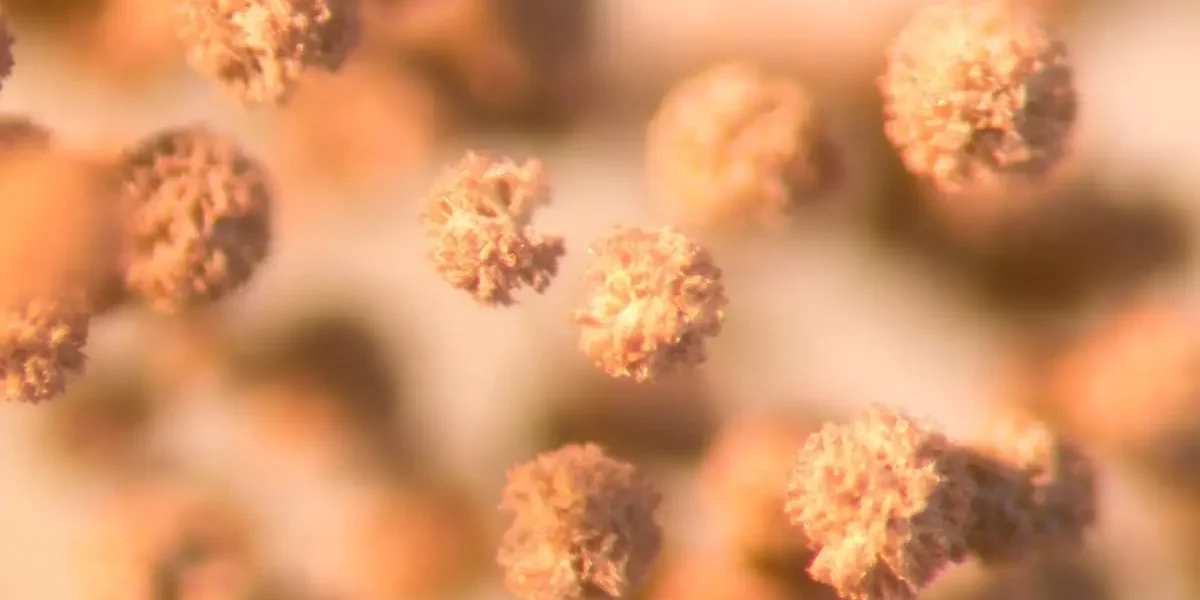
Mold spores are microscopic particles that float through the air that often go unnoticed. However, they can pose significant health risks and structural damage if left unchecked. In South Florida’s humid, tropical climate, mold growth is a persistent challenge for homeowners and commercial property managers. This comprehensive guide explores the causes of mold spores in the air, how to identify their sources, the associated dangers and health risks, and practical removal and mold prevention strategies tailored for South Florida’s unique environment.
What Causes Mold Spores in the Air?
Airborne mold spores are naturally present in both indoor and outdoor environments, but certain conditions amplify their presence and lead to problematic growth. Mold thrives in warm, moist environments, making South Florida a prime breeding ground. Here are the primary causes of mold spores in the air:
- High Humidity Levels: South Florida’s average humidity often exceeds 70%, creating ideal conditions for mold growth. Indoor humidity above 60% encourages mold to flourish on surfaces like walls, ceilings, and furniture, releasing spores into the air.
- Water Intrusion: Leaks from roofs, pipes, or windows, as well as flooding from hurricanes or heavy rainfall, introduce moisture that fosters mold growth. Even small leaks can create hidden mold colonies behind walls or under floors.
- Poor Ventilation: Inadequate airflow in homes or commercial buildings traps moisture, especially in areas like bathrooms, kitchens, and basements. Stagnant air allows mold spores to settle and proliferate.
- Organic Material: Mold feeds on organic matter such as wood, drywall, carpet, and even dust. South Florida’s frequent storms and flooding can soak these materials, accelerating mold growth.
- Temperature: Mold thrives in temperatures between 77°F and 86°F, which aligns with South Florida’s year-round climate. Warm indoor spaces, especially those with poor air conditioning, are particularly vulnerable.
- Condensation: Air conditioning units, cold water pipes, or poorly insulated walls can create condensation, providing the moisture mold needs to grow.
Identifying the Source of Airborne Mold Spores
To effectively address mold spores in the air, you must first locate their source. Mold often hides in hard-to-reach areas, so thorough inspection is critical. Here’s how to identify mold sources within South Florida homes and commercial buildings:
- Visual Inspection:
- Look for visible mold growth, which appears as black, green, white, or fuzzy patches on walls, ceilings, or floors.
- Check high-risk areas like bathrooms, kitchens, laundry rooms, and basements for discoloration or water stains.
- Inspect HVAC systems, as mold can grow in ducts and on cooling coils, spreading spores throughout the building.
- Musty Odors:
- A persistent musty or earthy smell often indicates hidden mold, even if no visible growth is present.
- Follow the odor to narrow down potential sources.
- Moisture Mapping:
- Use a moisture meter to detect damp areas in walls, floors, or ceilings. In South Florida, moisture often accumulates behind drywall or under flooring after heavy rains.
- Check for signs of water damage, such as warped wood, peeling paint, or bubbling wallpaper.
- Air Quality Testing:
- Professional mold inspectors like Mold Only use air sampling to measure spore concentrations and identify specific mold types, such as Aspergillus or Stachybotrys (black mold).
- Testing for mold is particularly useful in commercial buildings where it may affect large areas or sensitive populations (e.g., schools, hospitals).
- Common South Florida Hotspots:
- Attics: Poorly ventilated attics trap heat and humidity, especially after roof leaks.
- Crawlspaces: These areas are prone to flooding and poor airflow.
- Around Windows: Condensation from South Florida’s temperature fluctuations can lead to mold on window sills or frames.
- HVAC Systems: Dirty filters or clogged drain pans in air conditioning units are common mold sources in Florida’s warm climate.
Dangers and Health Risks of Mold Spores
Mold spores in the air are more than a nuisance—they can cause significant health and structural issues. The overall health risks are particularly pronounced in South Florida, where prolonged black mold exposure is quite common due to the region’s climate.
Health Risks
Airborne mold spores can trigger a range of health problems, especially for vulnerable populations such as children, the elderly, and those with compromised immune systems. Common health risks include:
- Respiratory Issues:
- Inhaling mold spores can irritate the lungs, leading to coughing, wheezing, or shortness of breath.
- Individuals with asthma may experience worsened symptoms or more frequent attacks.
- Chronic exposure may contribute to conditions like bronchitis or hypersensitivity pneumonitis.
- Allergic Reactions:
- Mold spores can cause allergic responses such as sneezing, runny nose, itchy eyes, or skin rashes.
- Severe allergies may lead to sinus infections or chronic sinusitis.
- Toxic Mold Exposure:
- Certain molds, like Stachybotrys chartarum (toxic black mold), produce mycotoxins that can cause severe symptoms, including fatigue, headaches, and neurological issues.
- Prolonged exposure to toxic molds may lead to memory problems or mood changes, though these effects are rare.
- Infections:
- Immunocompromised individuals, such as those undergoing chemotherapy or living with HIV, are at risk of fungal infections from molds like Aspergillus.
- Exacerbation of Existing Conditions:
- Mold exposure can worsen chronic conditions like COPD or eczema, particularly in South Florida’s humid environment where spore counts are high.
Structural Dangers
Beyond the health risks, mold spores can often contribute to property damage:
Material Degradation: Mold breaks down organic materials like wood, drywall, and insulation, weakening structures over time.
Aesthetic Damage: Mold stains surfaces, leading to costly repairs or replacements.
Reduced Property Value: Visible mold or a history of mold issues can deter buyers or tenants, especially in commercial properties.
Mold Removal Tips for South Florida
Effective mold removal requires a combination of professional intervention and DIY efforts, depending on the extent of the problem. In South Florida’s humid climate, prompt action is critical to prevent mold from spreading. Here are a few detailed removal strategies:
For Small-Scale Mold (Less than 10 Square Feet)
- Protect Yourself:
- Wear an N95 mask, gloves, and goggles to avoid inhaling spores or skin contact.
- Use protective clothing or disposable coveralls to prevent cross-contamination.
- Contain the Area:
- Seal off the affected area with plastic sheeting to prevent spores from spreading.
- Turn off HVAC systems to avoid circulating spores through air ducts.
- Clean Affected Surfaces:
- Use a mixture of water and detergent or a commercial mold cleaner to scrub mold off non-porous surfaces like tile or glass.
- For porous materials like drywall or carpet, removal and replacement are often necessary, as mold can penetrate deeply.
- Dry Everything Thoroughly:
- Use fans, dehumidifiers, or air conditioners to dry the area completely. In South Florida, aim for indoor humidity below 50%.
- Dispose of contaminated materials in sealed plastic bags to prevent spore release.
For Large-Scale Mold or Hidden Growth
1. Hire Mold Remediation Professionals:
- In South Florida, certified mold remediation companies like us are equipped to handle large infestations or hidden mold (e.g., behind walls or in HVAC systems).
- Professionals use HEPA vacuums, antimicrobial treatments, and air scrubbers to remove spores and prevent regrowth.
2. Address Water Sources:
- Fix leaks, improve drainage, or repair flood damage before remediation to prevent recurrence.
- In commercial buildings, ensure proper maintenance of HVAC systems and plumbing.
3. Post-Remediation Mold Testing:
- Conduct air quality tests after remediation to confirm spore levels are safe.
- Verify that all moisture sources have been eliminated.
Mold Prevention Tips for South Florida Residents
Preventing mold growth is critical in South Florida’s climate, where humidity and storms create constant challenges. Here are tailored prevention strategies for homeowners and commercial property managers:
For Homeowners
- Control Indoor Humidity Levels:
- Use dehumidifiers in high-risk areas like basements, bathrooms, and laundry rooms. Aim for 30–50% humidity.
- Run air conditioners with clean filters to maintain airflow and reduce moisture.
- Improve Ventilation:
- Install exhaust fans in bathrooms and kitchens to vent moisture outside.
- Open windows during dry, cooler days to circulate fresh air, but avoid this during high-humidity periods.
- Maintain Your Home:
- Inspect roofs, gutters, and downspouts regularly, especially after hurricanes or heavy rains.
- Seal windows and doors to prevent water intrusion.
- Clean and maintain air conditioning units, checking drain pans and filters monthly.
- Monitor for Moisture:
- Use a hygrometer to track indoor humidity levels.
- Check for condensation on windows, pipes, or walls, and address it promptly with insulation or ventilation.
- Use Mold-Resistant Materials:
When renovating a home, you should opt for mold-resistant drywall, paints, or flooring, especially in flood-prone areas.
For Commercial Buildings
- Regular HVAC Maintenance:
- Schedule professional cleaning of HVAC systems at least twice a year to prevent mold growth in ducts or coils.
- Replace filters regularly and ensure proper drainage of condensation.
- Implement Building-Wide Moisture Control:
- Install commercial-grade dehumidifiers in large spaces like offices, warehouses, or schools.
- Use moisture barriers in basements or ground-level areas prone to flooding.
- Conduct Routine Inspections:
- Hire professionals to inspect for hidden mold in large buildings, especially after storms or water damage.
- Train maintenance staff to recognize early signs of mold, such as musty odors or water stains.
- Educate Occupants:
- Encourage tenants or employees to report leaks or moisture issues immediately.
- Provide guidelines on maintaining ventilation in shared spaces like break rooms or restrooms.
- Prepare for Storms:
- In South Florida, hurricane season (June–November) increases mold risk. Secure buildings with storm shutters, elevate equipment, and ensure proper drainage systems are in place.
Unique Considerations for South Florida Residents
South Florida’s climate presents unique challenges for mold management, here are some of them:
Hurricane Season: Heavy rains and flooding from hurricanes can lead to widespread mold growth. After a major storm, dry out your property within 24–48 hours to prevent mold growth.
High Tourism and Rentals: Vacation homes and rental properties may sit vacant, leading to poor ventilation and undetected leaks. Regular visual mold inspections are essential for these properties.
Aging Infrastructure: Older homes and buildings in South Florida may have outdated HVAC systems or poor insulation, increasing mold risk. Consider upgrades to improve moisture control.
Coastal Salt Air: Salt in the air can corrode HVAC systems or create condensation, fostering mold. Regular maintenance of metal components is always critical.
FAQs about Mold Spores in the Air
Check out some of the most common questions about mold spores in the air, the causes, dangers, removal, remediation, and prevention tips for South Florida below.
Are mold spores always present in the air, even in clean homes?
Yes. Mold spores are microscopic and naturally float indoors and outdoors year-round. In a dry, well-ventilated home with low humidity, their levels usually stay harmless. Problems arise when moisture allows spores to settle and grow into active colonies, releasing far higher concentrations into the air you breathe—especially in South Florida’s consistently humid climate.
How do mold spores spread throughout my house so quickly?
Spores become airborne through normal activities like walking, vacuuming, or running the AC or fans. They travel easily through HVAC systems, open doors, and air currents. Once moisture is present on surfaces like drywall, wood, or carpet, settled spores germinate rapidly, creating new colonies that release even more spores and worsen indoor air quality.
Can breathing mold spores in the air make me sick even if I can’t see any mold?
Absolutely. Hidden mold behind walls, under flooring, in attics, crawlspaces, or inside HVAC ducts releases spores that you inhale daily. This can trigger respiratory irritation, coughing, wheezing, sneezing, itchy eyes, sinus issues, fatigue, and headaches—especially for people with asthma, allergies, or weakened immune systems. In South Florida, prolonged exposure is common due to our humidity and storm history.
What health risks come from high levels of mold spores in the air?
Inhaling elevated spore counts can cause allergic reactions, asthma flare-ups, chronic sinusitis, and bronchitis-like symptoms. Certain molds produce mycotoxins that may lead to fatigue, brain fog, headaches, or mood changes with long-term exposure. Immunocompromised individuals face a higher risk of fungal infections. Children and the elderly are often affected more quickly.
How can I tell if mold spores are affecting my indoor air quality?
Look for clues like a persistent musty or earthy smell, unexplained allergy or cold symptoms that improve when you leave the house, visible water stains, or higher humidity readings. Professional air quality testing with spore sampling is the most accurate way to measure concentrations and identify mold types present in your South Florida home or business.
Is it enough to just clean visible mold, or do I need to address airborne spores too?
Cleaning visible mold is only part of the solution. You must also fix the moisture source and address airborne spores through proper containment, HEPA air scrubbing, and thorough drying. Failing to handle hidden growth or HVAC contamination allows spores to continue circulating and recolonizing surfaces.
Can I reduce mold spores in the air without calling professionals?
For minor issues, running dehumidifiers (keeping humidity levels at 30–50%), using exhaust fans, changing HVAC filters regularly, and improving ventilation can help lower spore levels. However, if you suspect hidden mold or experience ongoing symptoms, professional inspection and remediation are essential to safely remove colonies and restore healthy indoor air quality.
Why is mold spore control especially important in South Florida?
Our high year-round humidity, frequent heavy rains, hurricane season, and flooding create ideal conditions for rapid mold growth. Spores thrive in temperatures common here and spread quickly through poorly ventilated attics, crawlspaces, and AC systems. Fast action after storms and consistent moisture control are critical to prevent widespread airborne mold spore contamination.
Will air purifiers or HEPA filters completely eliminate mold spores?
High-quality HEPA air purifiers and air scrubbers can significantly reduce airborne spores while remediation is underway, but they do not kill existing mold colonies or fix the underlying moisture problem. They work best as a temporary aid alongside professional mold removal and prevention steps.
When should I call a professional for mold spores in the air?
Contact a certified mold remediation specialist (like us) if you notice any musty odors, persistent health symptoms, recent water damage, or elevated humidity that won’t drop. In South Florida, it’s wise to schedule a visual mold inspection after storms or if multiple household members experience respiratory issues. Mold Only provides expert air testing, safe remediation, and long-term prevention strategies tailored to our climate.
Avoiding Mold Spores in The Air & Serious Health Risks
Mold spores in the air are a serious concern in South Florida, where humidity, warmth, and frequent storms create a perfect storm for mold growth. By understanding the causes, identifying sources, and recognizing the health and structural risks, homeowners and commercial property managers can take proactive steps to address mold. Effective mold removal and prevention strategies—such as controlling humidity, improving ventilation, and addressing water intrusion—can keep properties safe and healthy. In a region as mold-prone as South Florida, vigilance and regular maintenance are key to minimizing the impact of mold spores and ensuring a safe living and working environment.
Next Steps to Safely Remove Airborne Mold Spores
If you suspect a significant mold problem or need professional assistance, contact Mold Only – a certified mold remediation company in South Florida. For ongoing prevention, invest in moisture control and regular inspections to stay ahead of this persistent challenge.
Note: For specific mold-related concerns or severe infestations, please consider consulting with us asap to get a professional mold inspection or a though mold remediation service at your home or office building. Always prioritize safety when handling mold cleanup.
If you need help today, you can get a free mold removal estimate online or feel free to call us now at: (866) 591-6653