

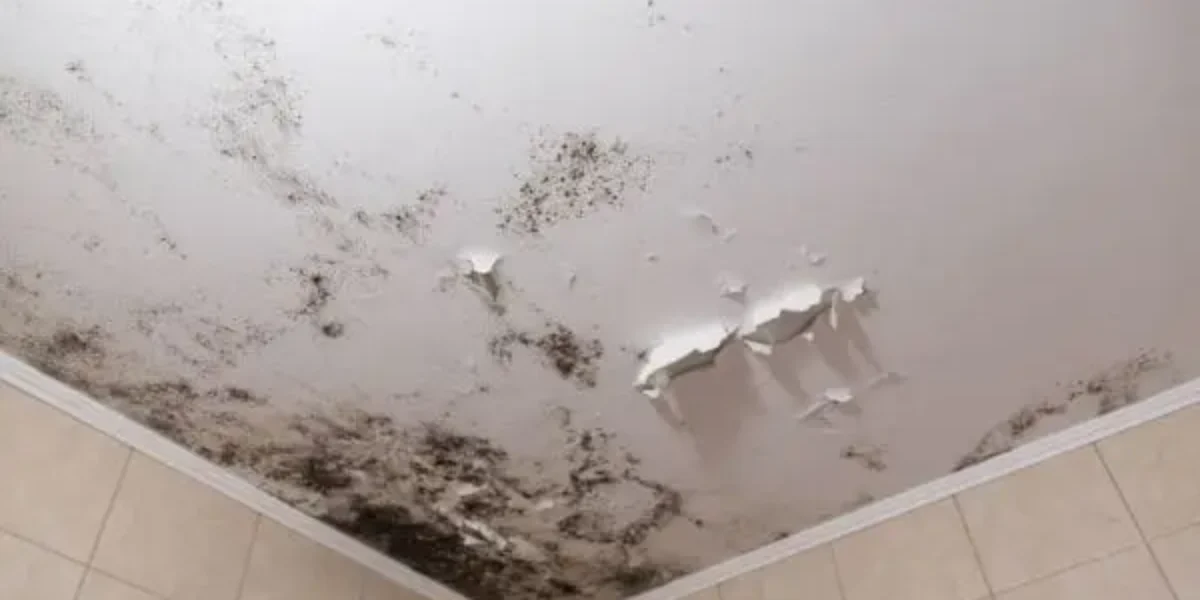
People often use the terms “mildew” and “mold” interchangeably, which makes understanding the difference between the two even more difficult for concerned homeowners. However, this brief breakdown will help you tell the difference between both of them, while telling you more about how to manage and remove them from your home.
How Do You Tell the Difference?
It’s important to start with one fact: mildew is one of many types of molds that can be found in the home. Molds come in a wide variety of textures, colors, and growth patterns, but there are some traits that set mildew apart from the other types of household mold. You can typically identify mildew based on these characteristics:
- A dull white or gray color
- A powdery but flat appearance
- A musty smell like that of dirty laundry
You cannot rule out the presence of mildew without testing, but these traits suggest a different kind of mold growth:
- A dark green, black, or yellow color
- A puffy, highly textured, or slimy appearance
- A splotchy growth pattern
Which One Is More Dangerous?
Since mildew is a type of mold, prolonged exposure to it can still affect family members who struggle with respiratory issues or skin conditions. The cause for concern from mildew and any other mold type are the spores that the fungi releases, which tend to cause lung or skin irritation. Other types of mold, such as Stachybotrys chartarum —commonly referred to as black mold—can be even more problematic for young family members. Black mold exposure can cause coughing, eye and throat irritation, and other allergy-like symptoms. That said, neither mildew nor any other kinds of mold are something to truly panic about in most situations.
How To Remove Mold and Mildew at Home
Part of the reason why other kinds of mold are often more concerning than mildew is that mildew remains on the exposed surface as opposed to working its way into and under wallpaper, tile, and other surfaces.
Mold can hide and continue to grow in moist environments, becoming more difficult to remove and often requiring the help of mold removal specialists like Mold Only to entirely kill and remove the growth.
Mildew, on the other hand, can usually be scrubbed off walls and surfaces with cleaning products and some elbow grease. Homeowners may still prefer to use masks, gloves, and other protective gear when working with chemicals or irritating fungi. Opening windows to keep the room well-ventilated will make the removal process safer. However, you can prevent mildew and other kinds of molds by keeping trouble areas such as sinks and windows as dry as possible.
FAQs about Mold vs Mildew
Below are some frequently asked questions about the differences between mold and mildew found in homes in South Florida (or anywhere).
Are mold and mildew the same thing?
Not exactly. Mildew is actually a type of mold, but people often use the term “mildew” for certain surface-growing molds that appear flat, powdery, and usually white, gray, or yellowish. True mold (including types like black mold) is often fuzzier, slimy, or more textured and can grow in a wider range of colors. Both are fungi that thrive in damp conditions, but they behave differently in your home.
How can I tell mildew and mold apart just by looking?
Check the color, texture, and growth pattern. Mildew is typically dull white/gray (sometimes turning brown), flat, and powdery — like a light dusting on the surface. Mold is usually darker (green, black, yellow, or brown), puffy, fuzzy, slimy, or highly textured, and grows in irregular splotches. Mildew often stays on top of surfaces, while mold can penetrate deeper. When in doubt, a professional inspection or mold testing is the most reliable way to find out fast.
Which one is worse for my health?
Both can cause similar issues because they release spores that irritate the lungs, eyes, throat, and skin. Mildew often leads to milder respiratory irritation or skin conditions with prolonged exposure. Mold (especially certain types like Stachybotrys chartarum, or ” toxic black mold“) can trigger stronger allergy-like symptoms, coughing, wheezing, or asthma flare-ups, particularly in children, elderly family members, or anyone with existing respiratory issues. Neither is usually cause for panic in small amounts, but you should address both to prevent mold illness.
Can I clean mildew myself, or do I need a professional for mold?
Yes — mildew is usually surface-level and can often be scrubbed away with household cleaners, bleach solutions (properly diluted), and some elbow grease while wearing gloves and a mask. Mold, however, frequently hides behind walls, under tiles, or in porous materials and may require professional remediation to fully kill the roots and prevent regrowth. If the affected area is larger than a few square feet or you suspect hidden growth, consider calling in mold remediation experts like Mold Only.
What causes mold and mildew to grow in my home?
Excess moisture is the #1 culprit. Both of them love humid environments, water leaks, poor ventilation, condensation on windows/sinks, or flooding. In humid climates like South Florida, bathrooms, kitchens, and basements are especially prone. Mildew often shows up first on tiles, grout, or fabrics, while mold can develop anywhere moisture lingers.
Does mildew turn into mold over time?
It can. Mildew is sometimes considered an early-stage form of mold growth. If it’s left untreated in persistently damp conditions, what starts as powdery mildew can develop into more invasive mold colonies that penetrate deeper and become harder to remove.
How do I prevent mildew and mold from coming back?
Control the moisture! Keep your bathrooms, kitchens, and windows as dry as possible with good ventilation (exhaust fans), dehumidifiers, and quick cleanup of spills or condensation. Fix any water leaks promptly, use mold-resistant products where possible, and monitor humidity levels (ideally below 60%). In high-humidity areas, getting regular mold inspections help catch issues early.
Is there a smell difference between them?
Both mold and mildew can produce a musty, earthy, or “dirty socks” odor, however, mildew often has a milder musty smell, while more extensive.
Getting Professional Help
The peninsula’s humid climate is perfect for mold growth, so don’t fret if you start to see a few dots of mold collecting on your windowsill. Whether you believe it’s mildew or another kind of mold, our team is happy to help you understand the difference between mildew and mold within your home and to provide you with expert-led mold removal services in Palm Beach and Broward counties throughout South Florida.
If you need help with mold or mildew removal in South Florida within Palm Beach or Broward County, feel free to contact us online, or get a free mold removal estimate today.
We guarantee our mold removal and remediation work at the best price. Call today for a free estimate.
Call Now: (866)-591-6653