

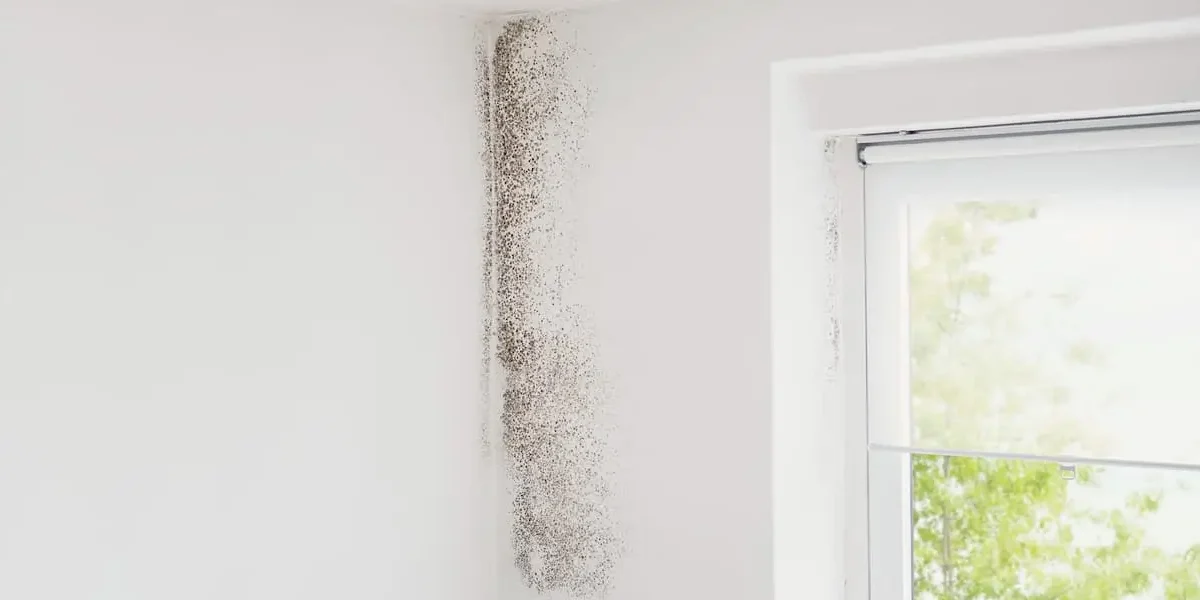
In need of some helpful mold prevention tips? Then you’re in the right place. While living in South Florida has tons of perks, it can also spell trouble for property owners when it comes to mold growth. Whether you’ve got a home, office, or even renting an apartment, you know very well that South Florida’s humid climate is basically a VIP invite for mold to move into.
Mold isn’t just an eyesore—it can wreak havoc on your health and your property if you let it stick around. Lucky for you, we’ve put together a super-helpful guide with 15 mold prevention tips, plus everything you need to know about the common types of molds we deal with here in South Florida, and more.
Common Types of Mold in South Florida’s Humid Climate
Our steamy South Florida weather—think endless humidity and occasional downpours—makes it a paradise for these moldy troublemakers:
Alternaria: Dark green or brown, velvety, and loves damp spots like bathrooms or leaky corners.
Aspergillus: Comes in green, white, or black shades and pops up on walls, insulation, or fabrics—some strains are toxic!
Cladosporium: Olive-green and thrives in cooler spots like AC units or carpets.
Penicillium: Blue or green, fast-spreading, and a fan of soggy drywall or wallpaper.
Stachybotrys (Black Mold): Dark, slimy, and toxic—loves waterlogged wood or drywall after floods.
Fusarium: Pinkish or white, quick to grow in wet areas, and packs a toxic punch.
Because of our high humidity (often above 70%) and warm temps, these molds flourish, so keeping them out requires proactive moves.
Common Causes of Mold Growth
When it comes to mold growth, it doesn’t just show up out of nowhere—it needs the right conditions to thrive. In South Florida, these are the usual suspects:
High Humidity: Anything over 60% indoors is mold’s happy place—our climate delivers that year-round.
Water Leaks: Roof leaks, busted pipes, or poor seals around windows let moisture sneak in.
Flooding: Hurricanes and heavy rains (hello, rainy season!) can soak your property fast.
Poor Ventilation: Stuffy rooms or clogged AC systems trap damp air inside.
Organic Materials: Mold loves to munch on wood, drywall, carpet, and even dust if it’s wet enough.
Regardless of the causes, you’ll want to get ahead of these issues quickly. By doing so, you’re already winning half the battle!
15 Mold Prevention Tips for South Florida Property Owners
Ready to keep mold from crashing your South Florida vibe? Here are 15 practical, do-it-now tips for your home or office:
- Control Indoor Humidity: Grab a dehumidifier and aim to keep humidity below 60%—50% is even better. Check it with a hygrometer!
- Run Your AC Right: Set your air conditioner to a cool, dry setting and clean the filters monthly to avoid moldy buildup.
- Fix Leaks ASAP: Spot a drip from the roof, faucet, or pipe? Get it fixed pronto—mold can start growing in 24-48 hours.
- Ventilate Like a Pro: Use exhaust fans in bathrooms and kitchens, and crack a window when it’s not pouring to let fresh air flow.
- Dry Wet Areas Fast: Spilled water or a soaked rug? Dry it within 24 hours—towels, fans, whatever it takes.
- Seal Windows and Doors: Check for gaps where rain can sneak in, especially during hurricane season, and caulk ‘em up.
- Clean Gutters Regularly: Clogged gutters mean water pooling near your foundation—clean them out every few months.
- Slope Your Land: Make sure soil around your property slopes away from the building so water doesn’t creep inside.
- Use Mold-Resistant Paint: Slap some mold-inhibiting paint on bathroom or basement walls for an extra layer of protection.
- Store Stuff Smart: Keep furniture and boxes a few inches from walls to let air circulate—mold hates good airflow.
- Inspect Your Roof: Look for missing shingles or wear after storms—fixing small issues now beats a moldy attic later.
- Monitor Your AC Drains: Clogged drip pans or drain lines can breed mold—give them a peek monthly.
- Wash Fabrics Often: Damp towels, curtains, or rugs? Wash and dry them fully to stop mold from setting in.
- Avoid Carpet in Wet Zones: Skip carpeting in bathrooms or basements—tile or vinyl are mold’s enemies.
- Check for Condensation: Wipe down sweaty windows, pipes, or AC vents—any moisture is a mold invite.
Follow these mold prevention tips and you’ll help make your property a lot less appealing to mold!
Common Types of Mold Allergies
Even if mold doesn’t look toxic, it can still mess with your allergies. Here’s what you might deal with:
Respiratory Allergies: Sneezing, coughing, runny nose, or wheezing—molds like Alternaria and Cladosporium are big culprits.
Eye Irritation: Itchy, watery eyes from Penicillium or Aspergillus spores floating around.
Skin Reactions: Rashes or itchiness if you touch moldy surfaces or breathe in spores.
Asthma Triggers: Mold can kick asthma into gear, making breathing tough for sensitive folks.
Kids, older adults, or anyone with a weaker immune system might feel these mold allergies the worst, so don’t ignore the sniffles!
Warning Signs of Mold
Think mold might already be lurking? Keep an eye out for these clues:
Musty Smell: That damp, earthy whiff is mold’s calling card—even if you can’t see it.
Visible Spots: Black, green, white, or fuzzy patches on walls, ceilings, or floors.
Water Stains: Yellowish marks or warped wood from old leaks scream “mold might be here.”
Allergy Flare-Ups: Feeling sneezy or wheezy indoors but fine outside? Mold could be the sneak.
Peeling Paint: Bubbling or peeling walls often mean moisture—and mold—hiding underneath.
Spot any of these? Time to investigate. Schedule a professional mold inspection with Mold Only.
Health Risks of Mold
Mold isn’t just annoying—it’s a health hazard, especially in South Florida where it grows fast. Here’s what it can do:
Allergic Reactions: Sneezing, coughing, itchy eyes—daily misery for allergy sufferers.
Breathing Problems: Wheezing, shortness of breath, or worsening asthma from spore-filled air.
Toxic Effects: Black mold (Stachybotrys) and some Aspergillus strains release mycotoxins—think headaches, fatigue, even brain fog or worse.
Infections: Although they’re rare, folks with weak immune systems could get lung infections from molds like Fusarium.
Long-Term Damage: Chronic exposure might mess with your immune system or lungs over time.
When it comes to our humid climate, letting mold hang out is like rolling the dice with your health—don’t risk it!
Found Mold? Follow These Next Steps
So, you’ve sniffed out a musty smell or spotted some funky patches—now what? Here’s your game plan:
Don’t Touch It: Scrubbing or poking mold can send mold spores flying—leave it alone for now.
Turn Off the AC: If mold’s in your vents, running the AC spreads it—shut it down ‘til you know more.
Check the Damage: Look for water stains or wet spots nearby to guess how big the problem might be.
Call the Pros: Get a professional mold remediation company in ASAP—don’t wait for it to spread.
Stay Out: If it’s a big patch (over 10 square feet) or smells toxic, keep everyone away until help arrives.
When it comes to finding mold, taking action fast is key. Because mold loves South Florida’s warmth and can double down fast!
Why Hire a Professional Mold Remediation Company Like Mold Only?
While DIY mold fixes sound tempting, yet in South Florida, you need pros, and here’s why:
They Find It All: Mold hides in walls, ceilings, or HVAC systems—our pros use tools like infrared cameras to catch every bit.
Testing Matters: Is it toxic Stachybotrys or just pesky Penicillium? Lab tests tell the tale so they treat it right.
Safe Cleanup: Pros seal off areas and use HEPA filters to zap spores without spreading them—DIY can’t match that.
Root Cause Fixes: We don’t just wipe it away—they fix leaks or ventilation so mold stays gone.
Health First: Handling mold without gear risks your lungs—pros have the masks and know-how to stay safe.
So, why is Mold Only for better mold remediation services? Because we’re South Florida’s premier mold removal specialists:
Mold Experts: We specialize in mold—no side gigs—bringing top skills to every job.
Full Service: Inspections, testing, removal, and remediation—we’ve got you covered from start to finish.
Local Pros: They know South Florida’s humidity, storms, and building quirks like the back of their hand.
High-Tech Edge: Think air scrubbers, dehumidifiers, and thermal imaging—mold doesn’t stand a chance.
Affordable & Reliable: Quality service that won’t drain your wallet, with a team you can trust.
Compared to other mold remediation companies, Mold Only doesn’t just remove mold—we restore your property to a mold-resistant state, cutting the odds of it creeping back by also providing you with several helpful mold prevention tips too.
FAQs about Mold Prevention for South Florida Homes and Offices
Below are several common questions about mold prevention for homes and offices in South Florida. Learn more about indoor humidity levels, mold risks from leaks and storms, AC settings, and more.
Why is mold prevention especially important in South Florida?
South Florida’s year-round high humidity, frequent afternoon rains, hurricanes, and coastal conditions create perfect breeding grounds for mold to grow. Mold spores can begin growing within 24–48 hours of moisture exposure, making consistent prevention far more critical here than in drier climates. Small habits like running exhaust fans or fixing leaks quickly can prevent major problems.
How low should I keep indoor humidity to prevent mold?
Aim for 50% or below, with a maximum of 60%. Use a reliable hygrometer to monitor indoor humidity levels daily and run dehumidifiers as needed, especially during humid seasons. Combining this with proper air conditioning operation is one of the most effective ways to stop mold before it starts in our subtropical environment.
Does running the AC all the time help prevent mold?
Yes, when used correctly. Set your thermostat to a comfortable cool temperature and keep the fan on “AUTO” rather than “ON” to avoid circulating moist air. Change or clean your air filters monthly to prevent buildup inside the system. In South Florida, a well-maintained AC is one of your best defenses against hidden mold in ducts and coils.
How soon after a leak or storm should I address potential mold risks?
You should act immediately—ideally within 24–48 hours. Even small drips from roofs, pipes, windows, or appliances can lead to rapid mold growth in our humid climate. Quick drying, proper ventilation, and getting professional mold inspection after heavy rains or hurricanes can save you from costly remediation later.
Are exhaust fans enough for bathroom and kitchen ventilation?
They help significantly, but run them during and for at least 30 minutes after showers, cooking, or laundry. In South Florida homes and condos, pairing fans with good overall airflow and dehumidifiers provides better results. Avoid blocking vents or closing doors while they’re running.
Can I prevent mold just by cleaning regularly?
Regular cleaning removes dust and spores that feed mold, but it’s not enough on its own. Prevention requires controlling moisture at the source—fixing leaks, reducing humidity, and improving ventilation. Cleaning without addressing dampness only treats the symptoms, not the cause.
What should I check after a hurricane or heavy storm to prevent mold?
Inspect roofs, windows, doors, attics, crawlspaces, and under sinks for water intrusion. Clear gutters and downspouts, dry out any wet areas quickly, and check HVAC systems. In coastal or waterfront properties, also watch for salt air condensation and flooding around foundations or pilings.
Do air purifiers or mold-resistant products really help?
High-quality HEPA air purifiers can reduce airborne mold spores while you address moisture issues. Mold-resistant paints, primers, and materials are useful in high-risk areas like bathrooms and basements. However, they work best as supplements to core prevention: humidity control and leak repairs.
Is professional inspection necessary if I follow all mold prevention tips?
Even with excellent habits, hidden mold can develop behind walls, in attics, or inside HVAC systems—especially after storms or in older South Florida homes. Annual or post-storm professional inspections provide peace of mind and catch issues early before they affect your health or property value.
When should I call a mold company for help with mold prevention?
You can contact Mold Only anytime you want a customized mold prevention plan, after water damage or storms, or if you notice musty odors, condensation issues, or recurring allergy symptoms. We offer expert-led mold inspections, moisture assessments, and tailored solutions to keep your South Florida home or office mold-free year-round.
Keeping Mold Out for Good with Mold Only
South Florida property owners, you’ve got the power to keep mold at bay. With these 15 mold prevention tips—controlling humidity, fixing leaks, ventilating smart—you can make your home or office a no-mold zone. However, if mold sneaks in (and with our tropical climate, it just might), don’t mess around. Watch for the warning signs, know the health risks, and call in pros like us here at Mold Only to come inspect, test, and remediate it the right way – especially if it’s for black mold removal.
Furthermore, our team of mold remediation experts will kick the mold out and help you keep it out, so you can enjoy your space without the sneezes or stress. Ready to take charge? Contact Mold Only today or get a free mold removal estimate—your mold-free future starts now!