
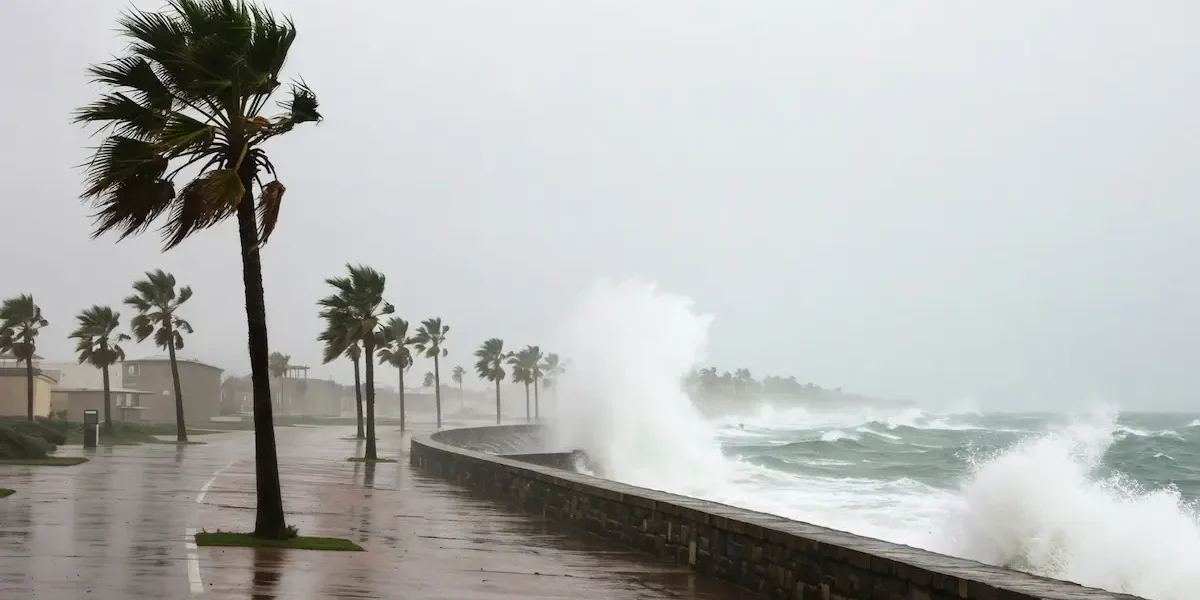
A recent analysis of national data places several Florida counties among the most hurricane-vulnerable areas in the United States. While the top spots went to places like Lee County, South Florida’s major population centers like Palm Beach, Broward, and Miami-Dade also rank high enough to demand attention from homeowners and businesses.
A report recently released by Lawn Starter drew on FEMA’s National Risk Index along with supporting information from NOAA and the U.S. Environmental Protection Agency. The counties were scored on a 1–100 scale using weighted factors that included overall hurricane risk, storm history over the past decade, financial losses, and the scale of post-storm cleanup. Only areas rated by FEMA as having relatively moderate to very high hurricane risk were included.
Lee County led the national list with a score of 67.74, reflecting the heavy impacts of Hurricane Ian in 2022 and later effects from Helene. Other Florida counties cracked the top 10: Bay (3rd), Charlotte (5th), Collier (7th), Polk (8th), and Sarasota (10th). Farther down but still notable, Miami-Dade placed 20th, Palm Beach 25th, and Broward 27th. These rankings put the three South Florida counties well above the majority of the nation and underscore ongoing exposure for the densely populated southeast coast.
Florida overall experiences more tropical cyclone encounters than any other state. Colorado State University data shows 274 named storms have passed within 50 miles of the state’s borders historically. Miami-Dade, Palm Beach, and Broward all rank among the top 20 most storm-prone counties in the country by that measure. Monroe County leads coastal areas with 103 encounters, but the three southeast counties remain highly exposed due to their location, population density, and coastal geography.
Why This Matters for Mold Risk in South Florida
Hurricanes and tropical storms bring more than wind and storm surge. Heavy rainfall, flooding, and prolonged high humidity create ideal conditions for mold growth inside homes and commercial buildings. Water intrusion through roofs, windows, or foundations can saturate drywall, insulation, carpets, and wooden structures within hours. Once the moisture is present, mold spores can begin colonizing in as little as 24–48 hours if the area is not properly dried and remediated.
In Palm Beach, Broward, and Miami-Dade counties, the combination of frequent storm threats, older housing stock in some neighborhoods, and the region’s naturally humid climate elevates the chance of post-storm mold problems. Even storms that do not make direct landfall can deliver enough rain and wind-driven water to cause hidden damage behind walls or under flooring.
Practical Steps for Homeowners and Property Managers
- Inspect roofs, windows, doors, and seals before hurricane season peaks and after any significant weather event.
- Address water damage immediately—remove wet materials, increase ventilation, and use dehumidifiers where needed.
- Watch for musty odors, visible discoloration, or unexplained allergy-like symptoms that may signal mold.
- Document damage thoroughly for insurance purposes and seek professional assessment when water has been present for more than a day or two.
At Mold Only, we specialize in identifying, containing, and safely removing mold in residential and commercial properties across Palm Beach, Broward, and Miami-Dade counties. Our team of mold removal experts understand the unique challenges South Florida properties face after tropical weather and follow industry best practices for thorough remediation and mold prevention advice.
Hurricane vulnerability rankings serve as a useful reminder: preparation and rapid response after storms can limit both structural damage and secondary problems like mold. If your property has experienced a water intrusion or you suspect mold growth, contact a Mold Only professional promptly. Early action protects indoor air quality, structural integrity, and long-term property value in one of the nation’s most storm-exposed regions.
If you have any questions or require a visual mold inspection, testing, and/or mold removal and remediation services, please contact us immediately today.