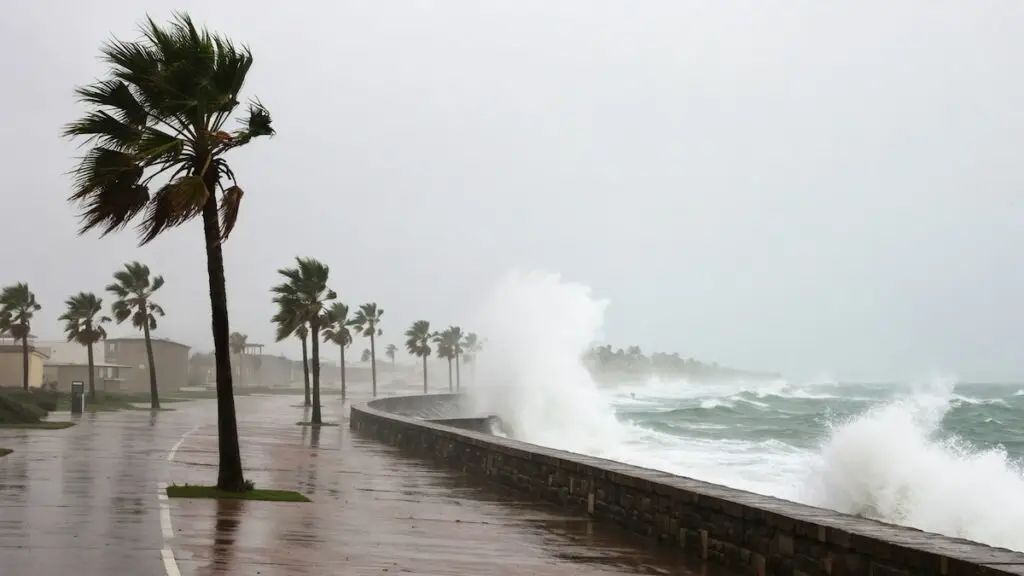

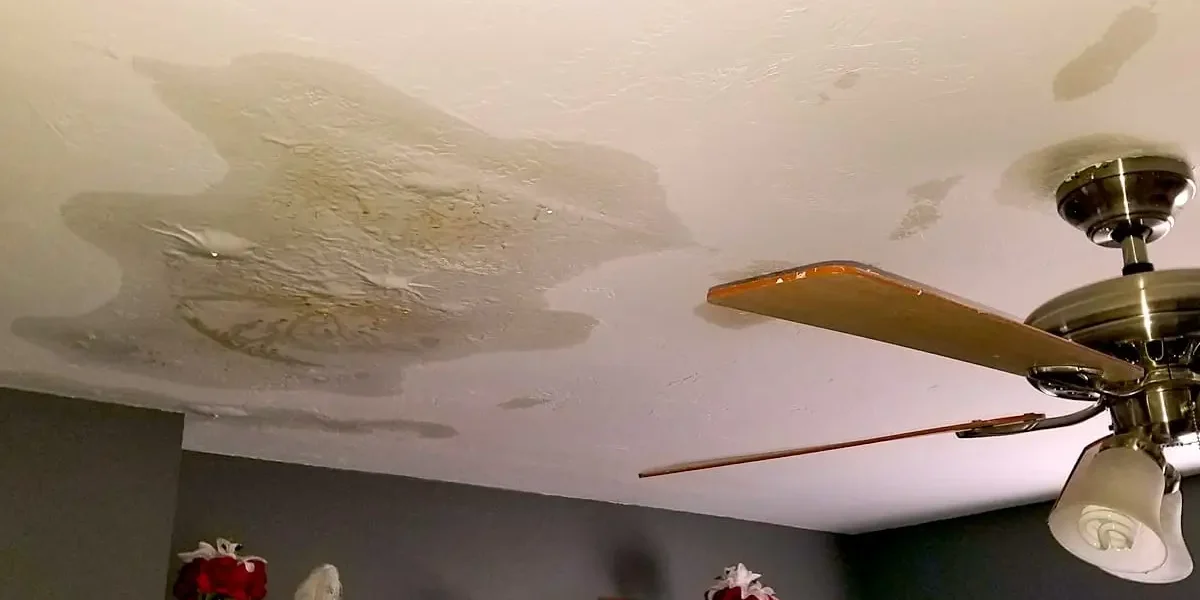
South Florida’s tropical climate brings vibrant sunshine, swaying palms, and a lifestyle envied by many. But with its beauty comes a challenge: heavy rains, intense humidity, and a relentless storm season that can wreak havoc on homes and businesses. Roof leaks, water damage, and mold growth are persistent threats, particularly to ceilings, which often bear the brunt of these issues. For South Florida homeowners and business owners, understanding how to identify, address, and prevent these problems is critical to maintaining safe, healthy, and structurally sound properties. This guide dives into the unique challenges posed by South Florida’s climate, offers practical tips for repairing ceilings, and explains why professional mold remediation is often essential for long-term solutions.
South Florida’s Climate: A Perfect Storm for Roof Leaks & Water Damage
South Florida’s weather is a double-edged sword. The region experiences an average annual rainfall of 60–65 inches, with the rainy season (May through October) and hurricane season (June through November) delivering torrential downpours, high winds, and frequent storms. Hurricanes, tropical storms, and even routine afternoon thunderstorms can overwhelm roofing systems, leading to leaks that infiltrate ceilings and interior spaces.
Roof leaks often start small—cracked tiles, damaged flashing, or clogged gutters—but in South Florida’s humid environment, even minor leaks can escalate quickly. Water seeps into ceilings, walls, and insulation, creating damp conditions that foster mold growth. Ceilings, in particular, are vulnerable because they act as a barrier between the roof and living spaces, trapping moisture and sustaining damage that may go unnoticed until it becomes severe.
Water damage in ceilings manifests in several ways:
Stains and Discoloration: Yellow, brown, or grayish water spots are early signs of a leak.
Sagging or Bulging: Ceilings may bow or droop as water saturates drywall or plaster.
Peeling Paint or Wallpaper: Moisture causes finishes to bubble and peel.
Structural Weakness: Prolonged exposure can weaken ceiling materials, posing safety risks.
If left unaddressed, water damage creates a breeding ground for mold, which thrives in South Florida’s warm, humid climate. Mold can begin growing within 24–48 hours of water exposure, spreading rapidly and compromising indoor air quality.
The Mold Menace: Why South Florida is Always at Risk
Mold is a particular concern in South Florida due to the region’s high humidity levels, often exceeding 70%, and warm temperatures averaging 75–85°F year-round. Common types of mold, such as Aspergillus, Penicillium, and Stachybotrys (black mold), flourish in damp, organic materials like drywall, wood, and insulation found in ceilings. Mold doesn’t just damage property—it can cause health issues, including respiratory problems, allergies, and skin irritation, especially for individuals with asthma or compromised immune systems.
In South Florida, mold growth is exacerbated by:
Frequent Storms: Heavy rains and hurricanes increase the likelihood of roof leaks, providing moisture for mold.
Poor Ventilation: Many homes and businesses rely on air conditioning, which can trap moisture indoors if ventilation systems are inadequate.
Delayed Repairs: The busy storm season can delay roof and ceiling repairs, allowing water to linger and mold to spread.
For homeowners and businesses, addressing mold isn’t just about aesthetics—it’s about protecting health, property value, and compliance with local building codes, which are stringent in Florida due to its climate challenges.
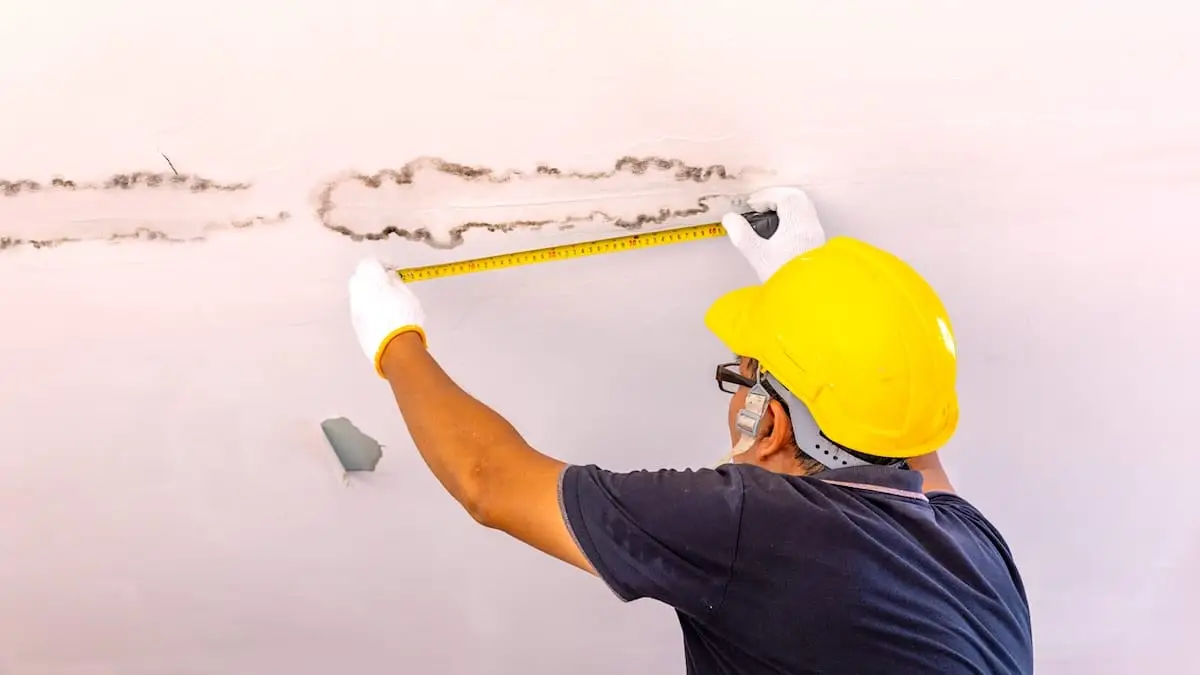
Step-by-Step Tips to Identify and Repair Ceiling Damage
Detecting and repairing ceiling damage early can prevent costly repairs and health hazards. Here’s a comprehensive guide tailored to South Florida homeowners and businesses:
1. Inspect Your Roof Regularly
South Florida’s storms can dislodge tiles, damage flashing, or clog gutters, leading to leaks. Regular inspections catch issues before they reach your ceiling.
How to Do It:
- Check your roof after major storms for missing tiles, cracks, or debris.
- Inspect flashing around chimneys, vents, and skylights for gaps or corrosion.
- Clear gutters and downspouts to prevent water pooling, which can seep into roofing materials.
Tip: Hire a licensed South Florida roofer who is familiar with local building codes and hurricane-resistant materials for annual inspections – especially before hurricane season starts up.
2. Look for Ceiling Warning Signs
Ceilings will often show the first visible signs of a water leak. This allows you to act before the damage spreads.
How to Do It:
- Check for water stains, discoloration, or bubbling paint, especially in bathrooms, kitchens, or rooms beneath flat roofs.
- Feel for soft or damp spots, which indicate water saturation.
- Use a flashlight in attics to spot mold, wet insulation, or water trails on beams.
Tip: In South Florida’s humid climate, use a hygrometer to monitor indoor humidity levels (ideal range: 30–50%) and catch moisture issues early.
3. Address Minor Ceiling Repairs Promptly
Small leaks can escalate into major structural damage or mold infestations if ignored.
How to Do It:
- For small water stains, dry the area with fans or a dehumidifier, then seal with a stain-blocking primer (e.g., Kilz or Zinsser) before repainting.
- Patch minor cracks or holes with drywall compound, sand, and repaint with mold-resistant paint, widely available in South Florida hardware stores.
- Replace small sections of damaged drywall if water has compromised its integrity.
Tip: Always fix the source of the leak (e.g., roof repair) before addressing ceiling damage to prevent recurrence.
4. Know When to Call a Professional
Extensive water damage or mold growth often requires specialized expertise to ensure safety and compliance with Florida’s building regulations.
When to Act:
- If ceilings are sagging, crumbling, or show extensive mold (black or green patches).
- If you detect a musty odor, which often indicates hidden mold.
- If the leak originates from complex roofing issues, such as flat roofs common in South Florida commercial buildings.
Tip: Choose contractors certified by the Florida Department of Business and Professional Regulation (DBPR) with experience in tropical climates.
Why Professional Mold Removal and Remediation is Critical
While minor ceiling repairs can be DIY projects, mold growth demands professional attention in South Florida’s climate. Here’s why:
1. Mold is Persistent and Hazardous
Mold spores are microscopic and can spread through the air, contaminating other areas of your home or business. DIY cleaning with bleach or vinegar may remove surface mold but often fails to address spores embedded in porous materials like drywall or insulation.
Professional remediation companies like Mold Only use advanced techniques, such as HEPA filtration, antimicrobial treatments, and moisture mapping, to eliminate mold at its source.
2. Health and Safety Concerns
Mold exposure can trigger allergic reactions, asthma attacks, or more severe health issues, particularly in South Florida’s elderly population or those with respiratory conditions. Professionals wear protective gear and use containment barriers to prevent cross-contamination during removal.
3. Preventing Recurrence
Mold remediation isn’t just about removal—it’s about addressing the root cause. Professionals like us identify hidden moisture sources (e.g., undetected leaks or poor ventilation) and recommend solutions like improved insulation, dehumidifiers, or roof upgrades tailored to South Florida’s climate.
4. Compliance with Local Regulations
Florida has strict regulations for mold remediation under the Florida Mold Remediation Act (FS 468.841). Licensed professionals like Mold Only ensure compliance, protecting you from liability and ensuring insurance claims are valid.
5. Insurance and Cost Savings
Many South Florida insurance policies cover mold remediation if caused by a covered peril, like storm damage. Professionals provide detailed documentation for claims, potentially saving you thousands. Conversely, improper DIY mold remediation can void insurance coverage or lead to recurring mold, increasing costs.
How to Choose a Professional Mold Remediation Company
Look for Credentials: Choose a contractor licensed by the DBPR with certifications like IICRC (Institute of Inspection, Cleaning and Restoration Certification) or NORMI (National Organization of Remediators and Mold Inspectors).
Check Local Expertise: Ensure they understand South Florida’s unique climate challenges, including hurricane-related damage.
Request a Detailed Mold Remediation Plan: Professionals should provide a written remediation plan, including moisture testing, containment, removal, and prevention strategies.
Verify Business Insurance: Confirm they carry liability insurance and workers’ compensation to protect you from potential insurance claims.
Preventive Measures for South Florida Properties
Preventing roof leaks, water damage, and mold growth is far more cost-effective than repairs. Here are South Florida-specific tips:
Upgrade Your Roof: Invest in hurricane-resistant roofing materials, such as metal or impact-resistant tiles, and ensure proper sealing around vents and skylights.
Install Proper Ventilation: Use exhaust fans in bathrooms and kitchens, and consider a whole-house dehumidifier to maintain humidity below 50%.
Maintain Gutters and Drains: Clean gutters monthly during the rainy season to prevent water backup, a common issue in South Florida’s flat-roofed buildings.
Schedule Annual Inspections: Work with a local roofer and HVAC specialist to check for vulnerabilities before hurricane season.
Use Mold-Resistant Materials: When renovating, opt for mold-resistant drywall, paints, and insulation, which are widely available in South Florida.
Got a Roof Leak? Act Fast, Protect Your South Florida Property
South Florida’s heavy rains and storm season make roof leaks, water-damaged ceilings, and mold growth constant threats for homeowners and businesses. By staying vigilant, inspecting your property regularly, and addressing issues promptly, you can minimize damage and maintain a safe, healthy environment. While minor ceiling repairs can be tackled DIY-style, mold growth requires professional remediation to ensure thorough removal and prevent recurrence. In a region where humidity and storms are relentless, partnering with licensed, local mold removal experts like Mold Only are the smartest way to protect your property, health, and peace of mind.
For more information about mold and remediation services or to find licensed contractors in South Florida, visit the Florida Department of Business and Professional Regulation or contact us, since we’re a local remediation company specializing in tropical climates. Don’t let a small leak become a big problem—act fast and keep your ceilings, and your property, in top shape.