

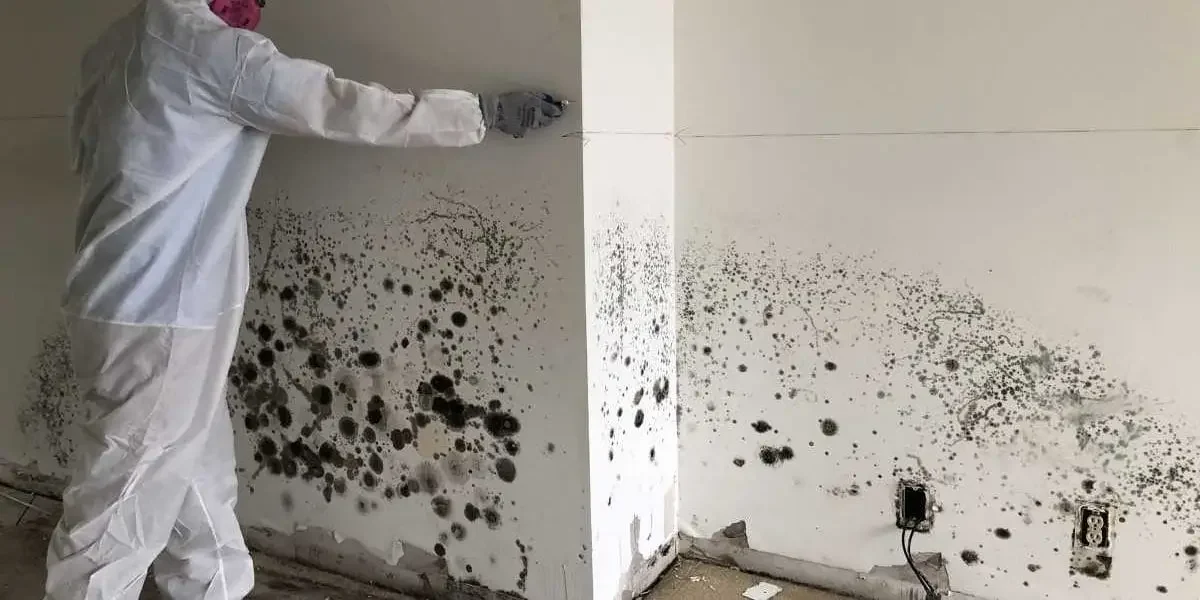
If you’re living in South Florida or any other humid environment, then you should familiarize yourself with the warning signs of mold toxicity. Because there’s one uninvited guest we all need to watch out for: mold.
Thanks to South Florida’s steamy, humid climate, mold loves to set up shop in our homes and workplaces. And trust us, it’s not just a cosmetic problem—it can make you seriously sick if you breathe it in or accidentally ingest it. Given these points, we’ll further address the top 10 warning signs of mold toxicity, the common culprits lurking around, and the toxic troublemakers.
Furthermore, why calling in the professional mold remediation company like Mold Only is a must to kick mold to the curb fast.
The Top 10 Warning Signs of Mold Toxicity
While mold isn’t always obvious—it’s sneaky like that. Sometimes it hides behind walls or in your AC unit, pumping out spores that mess with your health. However, if you or your family, coworkers, or tenants are feeling off, these could be red flags of mold toxicity:
1. Constant Sneezing or Coughing: Feel like you’ve got a cold that just won’t quit? Mold spores in the air can irritate your nose and throat, especially if you’re in a spot from Jupiter to Fort Lauderdale where humidity’s always cranked up.
2. Itchy, Watery Eyes: Are your eyes acting like you’ve been chopping onions all day? Mold allergies can make them red, itchy, and teary—even if you’re nowhere near pollen season.
3. Wheezing or Breathing Trouble: Struggling to catch your breath or hearing a little whistle when you exhale? Toxic mold can aggravate asthma or even cause breathing issues in folks who’ve never had them before.
4. Headaches That Won’t Budge: Got a nagging headache that Advil can’t shake? Mold exposure—especially from the nasty stuff—can mess with your head, literally.
5. Skin Rashes or Irritation: Breaking out in weird spots or feeling itchy for no reason? Mold spores landing on your skin (or getting stirred up from, say, a damp rug in your Boca office) could be to blame.
6. Brain Fog or Forgetfulness: Can’t focus at your office desk or keep forgetting where you parked at Publix? Mold toxins can zap your concentration and memory—yikes!
7. Tiredness That Drags On: Feeling wiped out even after a good night’s sleep? Mold exposure can leave you drained, like you’re running on empty no matter how much coffee you chug.
8. Nausea or Upset Stomach: Ever feel queasy indoors but fine outside? Ingesting mold spores (yep, they can get into food or drinks in a moldy space) might be turning your stomach.
9. Joint Pain or Muscle Aches: Achy knees or stiff shoulders out of nowhere? Some toxic molds release mycotoxins that can inflame your joints and muscles—super uncomfortable.
10. Mood Swings or Anxiety: Feeling unusually cranky or on edge? Mold toxicity can mess with your nervous system, leaving you jittery or down for no clear reason.
If any of these sound familiar—especially if they get worse indoors—it’s time to suspect mold and take action. Besides South Florida’s muggy vibes, it’s a hotspot for mold, so don’t brush it off!
The Common Types of Mold Found in South Florida
So, who are the usual types of mold causing issues? Here’s a quick rundown of molds you might bump into in South Florida:
Alternaria: Dark and velvety, this guy loves wet spots like bathrooms or leaky pipes. It’s a big allergy trigger.
Aspergillus: This one’s a shape-shifter—green, white, or black—and pops up on walls or fabrics. Some strains are harmless, but others? Not so much.
Cladosporium: Olive-green and sneaky, it thrives in cool spots like your AC vents or carpets—perfect for our air-conditioned offices.
Penicillium: Blue or green and fast-spreading, it’s a fan of soggy drywall or wallpaper.
Stachybotrys (Black Mold): The VIP of bad news—black, slimy, and toxic. It loves flood-damaged spots (hello, hurricane season!).
Fusarium: Pinkish or white, this mold moves fast in damp areas and can pack a toxic punch.
Consequently, these molds thrive in South Florida’s warm and wet climate, so we must be careful we don’t turn our homes into their playgrounds.
The Toxic Mold Trouble Makers
Although not all molds are created equal—some are just annoying, but others can very super dangerous. The toxic mold types to watch out for in South Florida include:
Stachybotrys (Black Mold): This is the mold nightmares are made of. It pumps out mycotoxins that can cause everything from breathing problems to brain fog. After a flood or leak, it’s a common culprit in wet places.
Aspergillus (Certain Strains): Although some versions of this mold churn out aflatoxins—nasty stuff linked to cancer and lung issues. Furthermore, it’s a risk for anyone with a weaker immune system.
Fusarium: This mold is quick to spread and toxin-heavy, and it can hit you with respiratory woes or skin irritation if it gets out of hand.
Regardless of the type of mold, toxic mold strains don’t mess around. In addition, breathing or ingesting their spores can make you sick fast, especially in South Florida where humidity keeps them growing.
Why You Really Need a Professional Mold Remediation Company
Okay, so mold is bad news—but can’t you just grab some bleach and scrub it away? Nope, not quite. If you’ve encountered any of the warning signs of mold toxicity, here’s why calling a professional mold remediation company like us is a non-negotiable:
They Find the Hidden Stuff: Mold loves to hide—behind drywall, under carpets, or in your HVAC. Pros use fancy gear like infrared cameras and moisture meters to sniff it out, even in the tricky spots.
Testing Tells the Truth: Is it toxic black mold or just annoying? Professionals test mold samples in a lab to figure out what you’re dealing with—way better than guessing with a DIY kit.
Safe Removal, No Spread: Scrubbing mold yourself can send mold spores flying around everywhere. Pros like us use containment tricks (think plastic barriers and air scrubbers) to keep it locked down while they zap it.
Fixing the Cause: Leaky roof or bad ventilation? Pros don’t just cleanup mold—they fix what’s feeding the mold so it doesn’t come back.
Fast Action Saves the Day: In our humid climate, mold spreads like wildfire. Pros move quickly to stop it before it takes over your home or office.
In addition, trying to DIY in South Florida’s mold-friendly weather is like bringing a squirt gun to fight a hurricane. Instead, you should consider hiring a professional mold remediation company.
Why Mold Only is Your South Florida Mold-Fighting Hero
When it’s time to call in the cavalry, Mold Only is the name to know in South Florida. Here’s why they’re the go-to for homeowners and office folks alike:
Mold is Our MO: We’re not a jack-of-all-trades—we only do mold. That means we’ve got the know-how to tackle South Florida’s trickiest cases.
Full-Service Vibes: Mold inspections, testing, removal, remediation—we can handle it all. No half-measures here!
Top-Notch Tools: Think industrial dehumidifiers, HEPA filters, and thermal imaging. Mold Only brings the best tech to find and kill mold fast.
South Florida Smarts: We get our climate—hurricanes, high humidity, the works—and tailor the fixes to our local quirks.
Affordable Peace of Mind: Professional doesn’t have to mean pricey. Mold Only offers top-tier service that won’t break the bank, whether you’re in Boca Raton or West Palm Beach.
Trustworthy Pros: Licensed, certified, and friendly, our mold remediation team makes the process smooth and stress-free.
Furthermore, with Mold Only, you’re not just getting rid of mold—you’re getting your healthy home or office back to how it should be – free of mold.
FAQs About The Warning Signs of Mold Toxicity
Below are several common questions asked about the warning signs of mold toxicity affecting homes and offices in South Florida or elsewhere.
Are the warning signs of mold toxicity the same for everyone?
No. Symptoms can vary widely depending on your age, overall health, immune system strength, and how long you’ve been exposed. Children, elderly family members, people with asthma or allergies, and those with weakened immune systems often feel effects faster and more intensely. In South Florida’s humid climate, even healthy adults can develop persistent issues if mold is hidden in walls, AC systems, or after hurricane flooding.
How quickly do warning signs of mold toxicity appear?
It depends on the exposure level and the person. Some sensitive individuals notice symptoms like coughing, headaches, or fatigue within days or weeks of heavy exposure. Others may not feel anything for months with lower levels. In our steamy South Florida environment, symptoms can worsen rapidly during humid seasons or after water damage because mold grows and spreads quickly.
Can mold toxicity cause symptoms that feel like a never-ending cold or flu?
Yes. Many people describe ongoing sneezing, coughing, fatigue, and headaches that don’t respond to typical cold medications. If these issues improve when you leave your home or office and return when you come back, black mold exposure is often the hidden culprit—especially in South Florida homes and workplaces with poor ventilation or past flooding.
Is mold toxicity the same as a mold allergy?
They overlap but are not identical. Mold allergies usually trigger immediate reactions like itchy eyes, sneezing, or skin rashes from spores. Mold toxicity refers to the broader effects from mycotoxins produced by certain molds (like black mold/Stachybotrys), which can lead to deeper issues such as brain fog, joint pain, nausea, and mood changes. Both deserve attention, and professional testing helps identify the specific molds involved.
Can toxic mold affect mental health or cause anxiety and mood swings?
Yes, chronic mold exposure has been linked to neurological and mood-related symptoms. Mycotoxins can inflame the nervous system, contributing to anxiety, irritability, depression-like feelings, and difficulty concentrating. These effects are more noticeable in prolonged cases and often improve significantly once the mold source is professionally removed and the space is properly dried.
Do I need professional testing to confirm toxic mold in my home?
A visual inspection alone isn’t enough, especially since toxic molds often hide behind drywall, under carpets, or inside HVAC systems. Professional mold testing and air sampling can identify the types of mold present (including toxic ones like Stachybotrys, Aspergillus, or Fusarium common in South Florida) and measure spore levels. This provides clear evidence and helps guide effective remediation.
Is it dangerous to try removing mold yourself if you suspect toxicity?
Yes, it can make things worse. DIY attempts with bleach or household cleaners often fail to kill the roots and can aerosolize spores and mycotoxins, spreading them throughout your home or office. For any suspected toxic mold—especially larger areas or hidden growth—always call certified professionals who use proper containment, HEPA filtration, and moisture control.
Will fixing the visible mold solve the toxicity symptoms?
Not always. Killing surface mold without addressing the underlying moisture problem (leaks, high humidity, poor ventilation, or hurricane damage) allows it to return quickly. True remediation includes locating and fixing the water source, drying the area thoroughly, and preventing future growth—especially critical in South Florida’s humid, flood-prone climate.
How can I prevent mold toxicity in my home or office?
You need to control moisture relentlessly. Plus, make sure to keep your indoor humidity below 60% with dehumidifiers, run exhaust fans in bathrooms and kitchens, fix leaks immediately, and ensure good airflow in AC systems. After heavy rains or storms, inspect for water intrusion right away. Regular professional inspections catch hidden problems before toxic mold takes hold.
When should I contact a professional for possible signs of mold toxicity?
Contact a certified mold remediation specialist like Mold Only as soon as multiple warning signs of toxic mold appear, especially if they affect several people in the same space or persist despite treatment. Don’t wait—early action prevents symptoms from becoming chronic. In South Florida, rapid response is essential due to our climate. Our company offers thorough, visual inspections, mold testing, and safe remediation services to restore healthy indoor air.
Don’t Wait on a Mold Inspection—Act Fast!
The warning signs of mold toxicity is nothing you should take lightly, especially in South Florida where it’s practically a local celebrity. Also, if you’re spotting any of those 10 warning signs of mold toxicity such as sneezing, rashes, or brain fog—don’t wait for it to get worse. Whether you live in Jupiter or Fort Lauderdale, mold can turn your happy space into a health hazard really fast. Call in a professional mold remediation company like Mold Only to inspect, test, remove and remediate that mess before it takes over. Especially if you need black mold removal services to get rid of Stachybotrys, aka “toxic black mold.”
Have you already uncovered the warning signs of mold toxicity at home?
Then please contact Mold Only today for a friendly, affordable fix that’s all about keeping you safe and free from mold.