

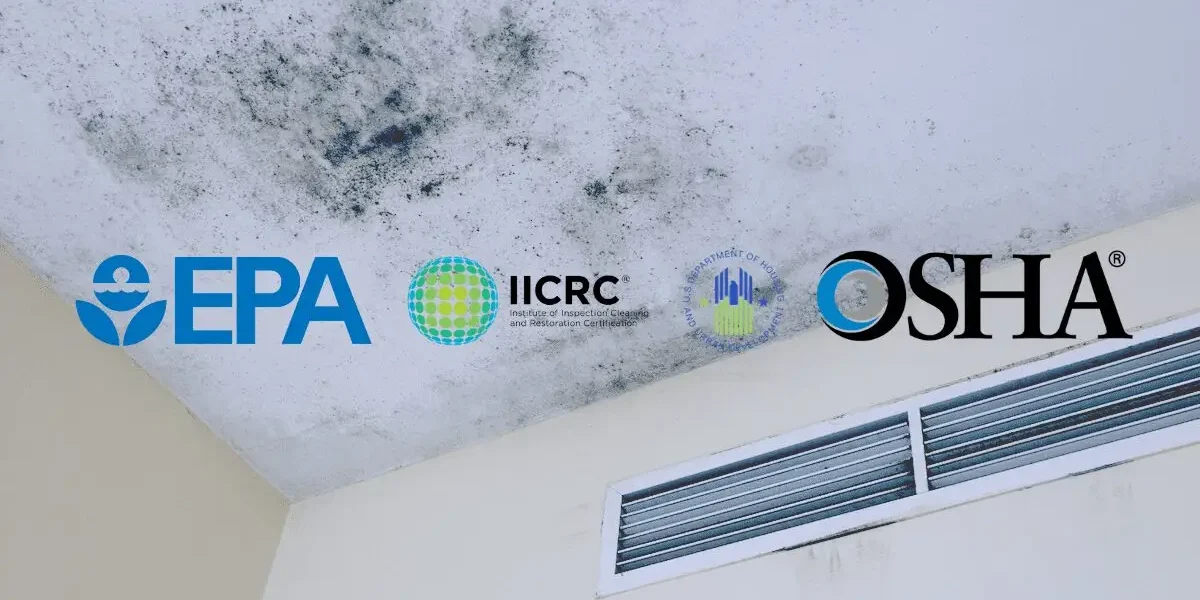
As a leading Florida certified mold remediation company who’s been knee-deep in the mold removal business for nearly two decades now, we’ve cleaned up hundreds of flooded homes and offices in South Florida. If there’s one thing we’ve learned, it’s that mold doesn’t play favorites—it shows up in mansions, condos, offices, and schools alike. However, dealing with it the right way means following solid mold remediation guidelines to keep everyone safe and the problem gone for good. Below, we’ll break down the key mold remediation guidelines from the big players: the EPA, IICRC, HUD, and OSHA. Furthermore, we’ll dive into each one, section by section, with real-world tips from my experiences. No fluff, just straight talk on how to handle mold like a pro.
Mold remediation isn’t just about scrubbing walls; it’s a systematic process to identify, contain, remove, and prevent mold growth while protecting health and property. Over the years, we’ve seen botched jobs lead to recurring issues or even health scares, so sticking to established mold remediation guidelines is crucial. These aren’t one-size-fits-all, but they overlap in smart ways. Let’s start out with some of the basics and build from there.
Understanding Mold: The Sneaky Intruder
Before we get into the specifics, let’s talk about what we’re up against. Mold is a fungus that thrives in damp, warm spots, feeding on organic materials like wood, drywall, or carpet. It reproduces through tiny spores that float in the air, often invisible until they colonize and form those fuzzy patches we all dread. In our line of work, we’ve pulled apart walls in homes where leaks went unnoticed for months, turning entire sections into mold farms. The health risks? From mild allergies to serious respiratory issues, especially for kids, the elderly, or folks with asthma.
The key to effective mold remediation guidelines is addressing the source, which is usually moisture from leaks, floods, or high humidity. If you ignore that, you’re just putting a band-aid on a bullet wound. Organizations like the EPA, IICRC, HUD, and OSHA have developed frameworks to guide us through this, each with a focus on different settings like homes, schools, workplaces, or commercial buildings. Now, let’s walk you through them by highlighting how they apply in real world scenarios.
EPA Mold Remediation Guidelines for Schools and Commercial Spaces
The Environmental Protection Agency (EPA) has been my bible for large-scale jobs, especially in public buildings. Their main document, “Mold Remediation in Schools and Commercial Buildings,” lays out a clear path for handling mold without overcomplicating things. It’s all about prevention first: fix leaks pronto, control humidity below 60%, and ensure good ventilation. But when mold hits, they help break it down by size.
For small areas—less than 10 square feet—you can often handle it yourself. Scrub hard surfaces with detergent and water, dry everything thoroughly, and skip the bleach unless it’s a non-porous spot. We’ve done this in countless office kitchens where a dripping faucet led to cabinet mold. Simple gloves, goggles, and an N-95 mask do the trick.
For medium-sized areas (10-100 square feet), and you’ll need more containment. You’ll need to seal off the area with plastic sheeting, use exhaust fans to vent outdoors, and wear full PPE. The EPA stresses you should not disturb mold without controls, as mold spores can spread like wildfire.
For large infestations over 100 square feet, you should always call in mold remediation pros (like us). The EPA recommends consulting their guide or pros following ACGIH or IICRC standards. They also cover hidden mold: if you smell it but can’t see it, investigate behind walls or in ducts. Don’t clean ducts routinely, though, yet only if it’s contaminated. And for confined spaces, test the air first for toxins.
What makes EPA mold remediation guidelines stand out is their strong emphasis on protecting occupants, especially in schools where kids are vulnerable. They advise communicating with parents and staff, and always fixing the moisture source. In our experience, skipping that step is the biggest mistake amateurs make. We’ve revisited sites where folks bleached mold away but left a leaky roof, and boom—mold is back in business within months.
The EPA also touches on biocides. However, you should use them sparingly, as they’re not a substitute for removal. And when it comes to post-remediation? You need to verify it’s clean visually and by smell—no moldy odor means success. These guidelines have saved me time and headaches on commercial gigs, keeping projects efficient and safe.
IICRC Mold Remediation Guidelines
Shifting gears to the Institute of Inspection, Cleaning and Restoration Certification (IICRC). These guys are the industry standard and set the bar for professional mold work. Their ANSI/IICRC S520 Standard for Professional Mold Remediation is what we swear by for detailed, step-by-step protocols. It’s not just about cleanup; it’s a full standard covering assessment, containment, removal, and verification.
The S520 defines mold conditions: Condition 1 (normal fungal ecology), Condition 2 (settled spores), and Condition 3 (actual growth). While mold remediation focuses on source removal—physically getting rid of contaminated materials rather than just killing mold, since dead spores can still cause issues.
Containment is huge here. For any job, set up barriers with polyethylene sheeting, create negative pressure with HEPA-filtered exhaust fans, and use airlocks for entry/exit. We’ve used this on residential flips where mold infested attics. We sealed the space, wore Tyvek suits, and HEPA-vacuumed everything before removal.
The IICRC mold remediation guidelines stress documentation: pre- and post-testing, often with third-party inspectors for unbiased results. They cover engineering controls like pressure differentials to prevent cross-contamination. In a commercial building project we handled, we had widespread mold from HVAC issues. Following S520, we divided the building into zones, remediated one at a time, and verified with mold air sampling tests. Although it’s a little costly, it helped prevent lawsuits.
They also integrate with their R520 Reference Guide for deeper insights. Personal protective equipment (PPE) levels vary by job size: minimal for small spots, full-face respirators for big ones. And chemicals? Only as adjuncts—antimicrobials after physical removal.
What we appreciate about IICRC is its global applicability. We’ve trained our mold remediation technicians using these standards, and it ensures consistency. If you’re a homeowner, look for IICRC-certified technicians; it’s a sign they’re not just trying to wing it.
HUD Mold Remediation Guidelines
The Department of Housing and Urban Development (HUD) approaches mold from a residential angle, especially in low-income or disaster-hit homes. Their guidelines, often tied to flood recovery, emphasize safe, effective cleanup for homeowners and renters.
HUD stresses acting fast: mold grows on wet materials after 48-72 hours, so dry everything ASAP. In flooded homes, remove porous items like carpet, drywall, and insulation if soaked—bag them to contain spores.Protective gear is non-negotiable: N-95 masks, gloves, goggles. Isolate areas with plastic, vent to outdoors, and avoid central AC during work. For cleaning, use detergent on hard surfaces; bleach solution (1/2 cup per gallon water) for disinfection, but never mix with ammonia.
HUD mold remediation guidelines shine in post-disaster scenarios, like after hurricanes. They collaborate with EPA and CDC for guides like “Homeowner’s and Renter’s Guide to Mold Cleanup After Disasters.” In our work with post-floods, we’ve followed these guidelines to salvage what we can—drying studs, treating with antimicrobials.
They address health: mold can trigger allergies or asthma, so high-risk folks should stay out during cleanup. For public housing, HUD requires addressing mold in inspections and management plans.
When it comes to remediating mold in an apartment complex, an assessment for the types of mold (not all molds are toxic), contained, removed, and prevented with better ventilation. HUD’s focus on equity ensures vulnerable populations aren’t left with subpar fixes.
OSHA Mold Remediation Guidelines: Prioritizing Worker Safety
The Occupational Safety and Health Administration (OSHA) views mold through a workplace lens, focusing on protecting cleaners and occupants. There’s no specific mold standard, but they apply general duty clauses and reference EPA/IICRC.
Their “A Brief Guide to Mold in the Workplace” outlines mold remediation by area size.
Small (<30 sq ft): Basic PPE, no containment needed, but cover surfaces.
Medium (30-100 sq ft): Evacuate adjacent areas, seal ducts, use plastic barriers.
Large (>100 sq ft): Full plan with HEPA filtration, airlocks.For disasters, OSHA highlights hazards: clean non-porous, discard porous if wet >48 hours.
Worker protection: Engineering controls, safe practices, PPE like respirators.
For the industrial jobs we’ve done, OSHA guidelines prevented black mold exposure. We train our staff, screen for health risks, and monitor air.
OSHA mold remediation guidelines complement others by enforcing safety, as the fines for violations keep everyone accountable.
FAQs about Mold Remediation Guidelines
Below are common questions about the different mold remediation guidelines for the EPA, IICRC, HUD, and OSHA standards.
Why do organizations like EPA, IICRC, HUD, and OSHA have separate guidelines?
Each organization focuses on different priorities: the EPA emphasizes prevention and protection in schools and commercial buildings; IICRC provides detailed professional standards for assessment, containment, and verification; HUD targets residential and post-disaster scenarios with fast action for flooded homes; and OSHA prioritizes worker safety through engineering controls and PPE. Blending all four creates the safest, most effective approach for any situation.
When is it okay to handle mold remediation myself versus calling professionals?
Small areas under 10 square feet can often be managed with basic detergent cleaning, proper drying, and minimal PPE (gloves, goggles, N-95 mask). Once the affected area exceeds 10–30 square feet—or if mold is hidden behind walls, in HVAC systems, or after flooding—professional mold remediation is strongly recommended to avoid spreading mold spores in the air and ensure complete removal.
How important is fixing the moisture source compared to just cleaning the mold?
It is the most critical step across all guidelines. Mold will return quickly without addressing leaks, high humidity, poor ventilation, or water intrusion. Professionals always locate and eliminate the water source first, then proceed with containment, removal, and drying—especially vital in South Florida’s humid, storm-prone environment.
What role does containment play in safe mold remediation?
Containment prevents the mold spores from spreading to unaffected areas. This includes plastic sheeting barriers, negative air pressure with HEPA-filtered fans, airlocks, and sealing HVAC vents. Larger jobs require more rigorous containment to protect occupants and workers, following combined EPA, IICRC, and OSHA mold remediation guidelines.
Do I need special protective equipment during mold cleanup?
Yes—PPE is essential and varies by job size. Basic setups include gloves, goggles, and an N-95 respirator for small areas. Medium to large jobs often require full-face respirators, Tyvek suits, and additional engineering controls. High-risk individuals (children, elderly, asthmatics) should stay out of the area entirely during remediation.
How do professionals verify that mold remediation was successful?
Verification typically includes visual inspection (no visible growth), olfactory checks (no musty odor), and—in many cases—post-remediation air or surface testing. Documentation of before-and-after conditions helps confirm the space has returned to normal fungal ecology.
Are biocides or bleach always necessary for mold remediation?
Not as the primary method. Guidelines from the EPA, IICRC, and others stress physical removal of contaminated materials first. Biocides and disinfectants (like diluted bleach solutions) may be used as a secondary step on non-porous surfaces, but they do not replace thorough cleaning, drying, and moisture control.
Why is mold remediation especially challenging in South Florida?
Our high year-round humidity, frequent heavy rains, hurricanes, and coastal flooding cause mold to grow and spread rapidly—often within 48–72 hours of water exposure. Homes, condos, offices, and schools near water face added risks from hidden intrusion in walls, attics, and HVAC systems, making professional, guideline-based remediation critical.
Can following these guidelines prevent mold from returning after removal?
Yes, when combined with long-term prevention: keeping indoor humidity below 60%, using exhaust fans and dehumidifiers, performing regular inspections, and using mold-resistant materials where possible. Addressing the root cause during remediation is the best defense against recurrence.
When should I contact a certified mold remediation company?
You should call in professionals for any area larger than 10–30 square feet, after water damage or storms, when hidden mold is suspected, or if occupants are experiencing ongoing health symptoms. Mold Only is a certified mold remediation company that follows EPA, IICRC, HUD, and OSHA guidelines with experienced technicians, advanced containment, and full documentation to ensure safe, effective results tailored to our local climate.
Blending The Guidelines: A Holistic Approach to Mold Remediation
These mold remediation guidelines aren’t silos, but they often overlap. EPA and IICRC handle technicals, HUD focuses on homes, OSHA on safety. In practice, we blend them together by using EPA for schools, IICRC for pros, HUD post-flood, and OSHA for crews.
Mold Prevention: You can better prevent mold growth with humidity controls, inspections, and quick fixes. Also, make sure to install dehumidifiers and use mold-resistant materials.
Expert Tips from the Field: Test air quality if needed, but a visual mold inspection often suffices. Always avoid DIY removal for big jobs and hire certified mold remediation professionals like Mold Only. Biocides? These are secondary. However, you should focus on dry environments. In 20+ years in mold removal and remediation, we’ve seen trends: shifting climates means more floods and more mold, especially in South Florida.
Staying Vigilant Against Mold
Mold remediation guidelines from EPA, IICRC, HUD, and OSHA provide a roadmap to safe, effective work. By following them, you’ll minimize several health and safety risks. If you’re dealing with a serious mold infestation and need help, let us know.
Got any questions? You can contact us online, get a free mold removal estimate or call us at: