

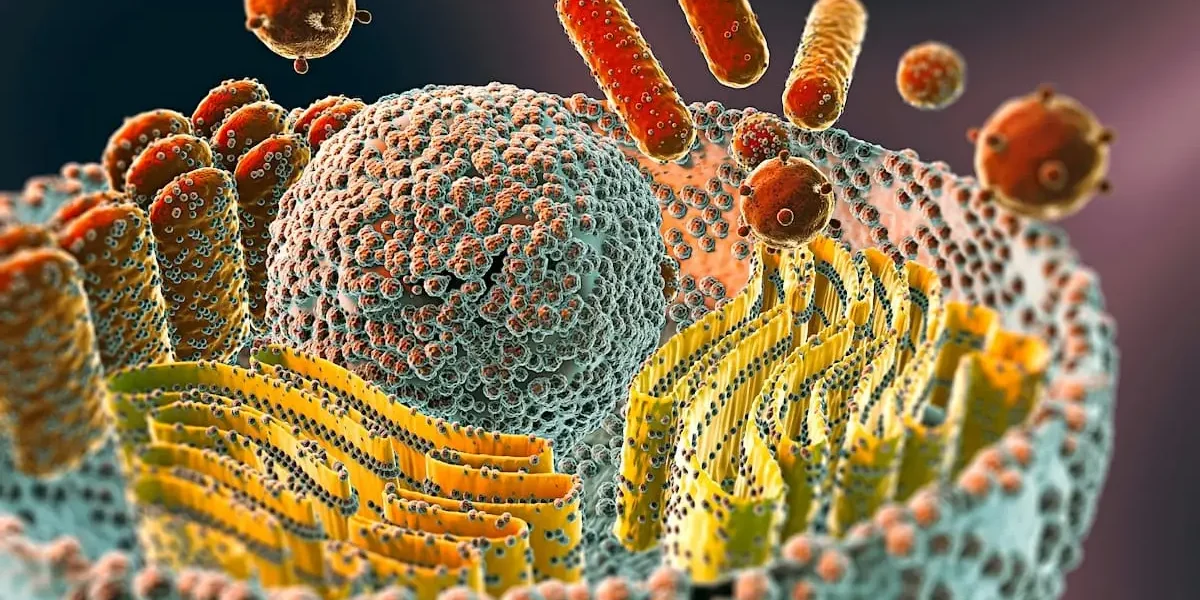
If you’re a homeowner and have ever sniffed out a musty odor in your basement or spotted some questionable patches on your walls, you might be dealing with more than just an eyesore. It’s most likely mold, and its toxic byproduct, mycotoxins, can turn your home into a health hazard if you don’t act super fast. As a top-rated Florida mold remediation company, we’ve spent years knee-deep in home renovations and mold removal, and are here to guide you through what mycotoxins are, why they show up, how to spot them, test for them, keep them out, and—most importantly—how to get rid of them for good.
What Are Mycotoxins?
Mycotoxins are nasty chemical compounds churned out by certain molds like Stachybotrys (aka “black mold”), Aspergillus, and Penicillium. These aren’t just pesky mold spores; they’re toxins that can hang out in the air, on surfaces, or even in your furniture long after the mold itself is history. They can trigger health issues from headaches and allergies to serious respiratory problems, especially for kids, pets, or anyone with a weakened immune system. The tricky part? They’re often invisible and odorless, so let’s dive into how they sneak into your home.
What Causes Mycotoxins?
Mold thrives on three things: moisture, warmth, and something to feed on (think drywall, wood, or even dust). When these conditions align, mold grows, and some types of mold start pumping out mycotoxins. Here’s what helps sets the stage:
- Water Leaks and Flooding: A leaky pipe, dripping roof, or flooded basement is like rolling out the red carpet for mold to grow.
- Poor Ventilation: Bathrooms without fans, damp basements, or stuffy attics trap moisture, creating a haven for mold.
- High Humidity Levels: If your home’s humidity level climbs above 60%, especially in warm climates, mold gets cozy.
- Neglected Damp Materials: Wet carpets, soggy furniture, or even a pile of damp laundry left too long can kickstart mold growth.
The Warning Signs of Mycotoxins in Your Home
Catching mycotoxins early is always crucial, but they’re sneaky. Here’s what you need to watch for:
- Musty Odors: That classic “damp basement” smell is a dead giveaway. Don’t just mask it with a candle—start investigating it.
- Visible Mold: Black, green, or white fuzzy patches on walls, ceilings, or grout are obvious red flags. But mycotoxins can linger even if the mold looks gone.
- Health Symptoms: Unexplained allergies, sinus issues, fatigue, headaches, or skin irritation that worsen at home could point to mycotoxins. If the symptoms fade when you leave the house, that’s a big hint.
- Water Damage: Discolored walls, warped wood, or peeling paint often signal hidden moisture and potential mold.
- Condensation: Foggy windows or water droplets on sills mean humidity’s too high, paving the way for mold.
The Health Effects of Mycotoxins
Mycotoxins can hit your health pretty hard, from mild annoyances to more serious issues. In the short-term, you might notice:
- Respiratory Issues: Coughing, wheezing, or shortness of breath, especially if you have asthma.
- Allergic Reactions: Sneezing, itchy eyes, runny nose, or skin rashes, like allergies that just won’t quit.
- Irritation: Burning eyes or a sore throat that continually lingers.
- Headaches and Fatigue: Feeling foggy or wiped out for no clear reason at all.
Long-term mycotoxin exposure is worse:
- Chronic Sinus Problems: Persistent infections or congestion that resist common treatments.
- Neurological Issues: Trouble focusing, memory lapses, or mood swings, as some mycotoxins can mess with your nervous system.
- Immune Strain: A weakened immune system, which makes you more prone to infections or autoimmune issues.
- Lung Damage: Chronic irritation can lead to bronchitis or, in rare cases, hypersensitivity pneumonitis.
- Organ Risks: Certain mycotoxins (like aflatoxins) may harm the liver or, in extreme cases, raise cancer risk.
Kids, the elderly, and those with weakened immune systems or allergies are hit hardest. Pets can also show signs like lethargy or breathing trouble. If the symptoms improve away from home, then mycotoxins might be the culprit.
Testing Methods for Mycotoxins
Not sure if mycotoxins are lurking in your home? Professional mold testing is the only way to confirm this. Here are some of the main methods used:
- DIY Mold Test Kits: Available at hardware stores, these kits let you swab surfaces or collect air samples to check for mold. They’re affordable ($10-$50) and good for a quick check, but they might not detect mycotoxins specifically. Follow instructions carefully and send samples to a lab for analysis.
- Professional Air Testing: Certified mold inspectors like Mold Only use air sampling devices to measure mold spores and mycotoxins in the air. This is pricier ($200-$500) but more accurate, especially for hidden mold.
- Surface Testing: Pros like us can swab or tape-lift samples from walls, furniture, or ducts to identify mold types and mycotoxin presence. This helps pinpoint contaminated areas.
- ERMI Testing: The Environmental Relative Moldiness Index (ERMI) analyzes dust samples for mold DNA. It’s a high-tech option ($300-$600) that can detect mycotoxins and specific mold species, great for homes with suspected long-term issues.
- Mycotoxin-Specific Testing: Specialized labs can test air, dust, or surfaces for specific mycotoxins like aflatoxins or ochratoxins. This is often used when health symptoms are severe and mold is confirmed.
If you’re experiencing any health issues or suspect hidden mold, skip the DIY kits and consider getting a visual mold inspection (we can help with this). Our team uses professional-grade tools and lab analysis to give you a much clearer picture.
How to Get Rid of Mycotoxins: Practical Steps
Tackling mycotoxins isn’t always a simple weekend project, but with the right steps, you can reclaim your home. Here’s how:
- Find and Fix the Source
Mold and mycotoxins love moisture, so you need to stop the water first. Fix any leaky roofs, pipes, or windows. Use a dehumidifier to keep humidity levels below 50%. After any flooding, you need to dry carpets, furniture, and walls within 24-48 hours using a wet/dry vac and industrial fans.
- Test to Confirm The Mold Type
If you suspect mold but can’t see it, test before tearing into walls. Use a DIY kit for small areas or hire a pro for air, surface, or ERMI testing to confirm mycotoxins and identify mold types.
- Remove Mold Safely
If they are small patches (less than 10 square feet), you can likely DIY, but for larger infestations or toxic black mold, you’ll need professionals. For DIY:
- Gear Up: Wear gloves, an N95 mask, and goggles to avoid inhaling spores or mycotoxins.
- Contain the Area: Seal up your room with plastic sheeting to prevent spore spread.
- Clean with Care: Use water and mild detergent or a commercial mold cleaner. Skip the bleach—it doesn’t kill mycotoxins and can worsen things on porous surfaces like drywall.
- Dispose Properly: Bag up all moldy materials (carpet, insulation) and toss them to avoid recontamination.
For big jobs or confirmed mycotoxins, hire a certified mold remediation company like us (if you’re in South Florida). We use HEPA vacuums, air scrubbers, and specialized cleaners to tackle mold and toxins.
- Clean Up and Decontaminate
Mycotoxins can cling to surfaces like stubborn dust. After mold removal, wipe walls, furniture, and air ducts with a damp cloth and mold-specific cleaner. Wash fabrics like curtains or bedding in hot water. A HEPA air purifier can trap lingering particles. If your HVAC system is contaminated, get it professionally cleaned to stop toxins from spreading.
Prevention Strategies to Keep Mycotoxins Out
Once you’ve dealt with mold, make sure it doesn’t come back. Here’s how to keep your home mycotoxin-free:
- Control Humidity: Use a dehumidifier in damp areas like basements and keep humidity between 30-50%. A hygrometer (about $10) helps you monitor levels.
- Improve Ventilation: Run exhaust fans in bathrooms and kitchens. Crack open your windows when weather permits, and ensure attics or crawlspaces have proper airflow.
- Fix Leaks Fast: Check your pipes, roofs, and windows regularly. Clean gutters to prevent water buildup.
- Dry Spills Quickly: Clean up spills or wet materials within 24 hours. Use fans or dehumidifiers to speed drying after floods.
- Inspect Hidden Areas: Peek under sinks, behind appliances, or in basements for early signs of moisture or mold.
- Use Mold-Resistant Materials: In high-risk areas like bathrooms, opt for mold-resistant drywall, paint, or caulk during renovations.
- Maintain HVAC Systems: Change your air filters regularly and have ducts cleaned every few years to prevent mold buildup.
- Monitor Indoor Plants: Overwatered plants or potting soil can harbor mold, so keep them in check.
FAQs about The Health Effects of Mycotoxins
Below are several common questions about mycotoxins, their health risks, symptoms, and recovery tips due to black mold exposure affecting those in South Florida and beyond.
What exactly are mycotoxins and how do they differ from mold spores?
Mycotoxins are toxic chemical compounds produced by certain molds, such as Stachybotrys (black mold), Aspergillus, and Penicillium. Unlike mold spores, which are reproductive particles, mycotoxins can linger in the air, on surfaces, furniture, and even after the mold itself has been killed. They are often invisible and odorless but can trigger significant health reactions through inhalation, skin contact, or ingestion.
Are the health effects of mycotoxins the same for everyone?
No. Healthy adults may experience mild or temporary symptoms, while children, the elderly, people with asthma, allergies, weakened immune systems, or pets are far more vulnerable. In South Florida’s warm, humid climate, prolonged exposure can lead to faster and more severe reactions because mold—and the mycotoxins it produces—grows and spreads rapidly.
What is the difference between short-term and long-term mycotoxin exposure?
Short-term black mold exposure often causes immediate issues like coughing, wheezing, sneezing, itchy eyes, sore throat, headaches, and fatigue. Long-term or chronic exposure can lead to more serious problems, including persistent sinus infections, neurological effects (brain fog, memory issues, mood swings), weakened immunity, chronic lung irritation, and in rare cases, potential organ stress or increased infection risk.
Can mycotoxins cause neurological or mental health symptoms?
Yes. Mycotoxins can affect the nervous system, contributing to brain fog, difficulty concentrating, memory lapses, irritability, mood swings, and fatigue. These symptoms often improve noticeably when you spend time away from the affected home and return upon re-exposure, which is a common clue in South Florida households.
How do I know if my symptoms are from mycotoxins rather than allergies or something else?
Look for the patterns: symptoms that worsen indoors (especially in damp areas), affect multiple family members or pets, or improve dramatically when you leave the house for several days. A musty smell, visible mold, or recent water damage strengthens the likelihood. Professional mold inspections and mycotoxin testing (air, surface, or ERMI) provide clear confirmation.
Is it safe to handle mycotoxin cleanup caused by black mold myself?
For very small, non-toxic surface areas under 10 square feet, cautious DIY cleaning with proper PPE (gloves, N95 mask, goggles) and containment may be possible. However, any suspected toxic mold or larger infestation should be left to professionals. Disturbing mycotoxin-producing mold without proper containment can aerosolize toxins and worsen exposure.
Will removing the visible mold eliminate mycotoxins from my home?
Not always. Mycotoxins can persist on surfaces, in porous materials, dust, and HVAC systems even after the mold colony is gone. Thorough remediation includes physical removal of contaminated materials, HEPA air scrubbing, surface decontamination, and fixing the moisture source to prevent new toxin production.
How long does it take to recover from mycotoxin exposure?
Recovery time varies by exposure duration, individual health, and how quickly the source is removed. Many people notice improvement in respiratory and allergy symptoms within days to weeks after professional mold remediation. Neurological or chronic symptoms may take several weeks to months to fully resolve, especially with medical support from an environmental or integrative physician.
Why is mycotoxin risk higher in South Florida homes?
Our subtropical climate—with year-round high humidity, frequent storms, flooding, and coastal moisture—creates ideal conditions for toxin-producing molds to thrive in walls, attics, crawlspaces, and HVAC systems. Waterfront and coastal properties face even greater risks due to repeated water intrusion and poor drying after heavy rains.
When should I call a professional for possible mycotoxin issues?
Yes, you should contact certified mold remediation experts like Mold Only as soon as you notice a musty odor, visible dark growth, water damage, or persistent health symptoms (respiratory, allergic, or neurological) that improve away from home. In South Florida, fast action after leaks or storms prevents minor issues from becoming chronic exposure problems. Mold Only provides professional inspections, testing, safe mold removal and remediation, and prevention strategies tailored to the unique climate in South Florida.
When You Need to Call in The Mold Remediation Pros
If you’re facing a widespread mold infestation, persistent health symptoms, or just feel out of your depth, call a licensed and certified mold remediation company like Mold Only. We have all the right gear, tactical know-how, and expertise to handle mycotoxins safely and can run tests to ensure your home is clear. If symptoms like chronic fatigue or sinus issues persist, you should go see a doctor familiar with mold-related illnesses.
When it comes to mycotoxins, these are not something to ignore, especially for sensitive folks like kids, the elderly, or those with pre-existing health conditions. Disturbing the mold without proper precautions can spread the toxins further, so don’t go ripping out your drywall without a plan. Act fast, but act smart.
Combatting Mycotoxins in Your Home
Mycotoxins can turn your home into a health risk, but with the right know-how, you can kick them out and keep them out. Test for mold early, fix moisture issues, clean carefully, and stay vigilant with these mold prevention tips. Your home should be a safe haven, not a mold magnet. Got a mold problem or need help figuring out your next step? Let us know, we’re here to help you with expert black mold removal services to help keep your home healthy, mold and toxin-free for years to come!
If you need help removing black mold in your home, you can get a free mold removal estimate or contact us online today.
For a mold emergency, please call us asap at: 866-591-6653