
Hey there, South Florida homeowners! If you’re anything like most of us Florida folks, you love the sunshine, the beaches, and that endless summer vibe. But let’s be real—living in paradise comes with a few not-so-fun sidekicks, like humidity that could fog up a submarine and rain showers that pop up out of nowhere. And lurking in the shadows of all that moisture? Mold. Yeah, that little sneaky, spore-spreading stuff that can turn your cozy home into a health hazard faster than you can say “hurricane season.” This is a major reason why regular mold testing in South Florida is essential for homeowners.
Follow along as we’ll be talking more about mold testing, and why making it a regular part of your home maintenance routine isn’t just smart—it’s a must. As a company who’s seen (and smelled) the aftermath of unchecked mold growth in too many Florida homes, we can tell you: ignoring it is like playing Russian roulette with your family’s well-being and your wallet. Below, we’ll dive into why South Florida homes are basically mold magnets, the hidden dangers you’re up against, and how regular mold testing can save the day. By the end, you’ll be ready to grab that air sample kit and breathe easier.
Why South Florida is Basically a Mold Hotspot
Picture this: It’s September in Jupiter or Fort Lauderdale, and the air feels like a warm, wet blanket. Average humidity here hovers around 70-80% year-round, thanks to our tropical climate. Add in frequent thunderstorms, that annual tango with hurricane season, and you’ve got the perfect recipe for mold to throw a party in your walls.
Unlike drier parts of the country, South Florida homes aren’t built for this level of moisture. Many older homes, like those charming mid-century bungalows in Hollywood or West Palm Beach, have crawl spaces, leaky roofs, or AC systems that struggle to keep up. Even newer builds aren’t immune—think poorly sealed windows or that beloved outdoor shower that drips into your guest room.
The result? Mold thrives in places you can’t see: behind drywall, under carpets, or inside your HVAC’s air ducts. And once it takes hold, it spreads like wildfire on dry grass. Regular mold testing isn’t about paranoia; it’s about staying one step ahead of the spores in a region where mold is as common as palm trees.
The Sneaky Health Risks You Can’t Ignore
Okay, let’s get a little more personal. Have you noticed more sneezing in your household lately? Or maybe your kid’s asthma is flaring up for no apparent reason? Mold isn’t just an eyesore—it’s a respiratory ninja that can wreak havoc on your health.
We’re talking about allergic reactions (itchy eyes, runny noses), chronic coughs, and even more serious stuff like sinus infections or exacerbated asthma. And if black mold—Stachybotrys chartarum—enters the chat? That’s the toxic celebrity of the mold world. It produces mycotoxins that can lead to neurological symptoms, fatigue, and in rare cases, severe immune responses. Kids, the elderly, and anyone with compromised health are especially vulnerable.
We remember helping a family in Boca Raton whose “musty basement smell” turned out to be black mold hidden behind a water-damaged wall. The mom was dealing with migraines she chalked up to stress; turns out, it was the spores talking. Early testing caught it before it spread upstairs. Moral of the story? Your home should be a sanctuary, not a science experiment for airborne irritants.
The Hidden Dangers of Mold
Here’s the kicker: 90% of mold problems start out invisible. You might spot a suspicious spot on your bathroom tile, but what about the colony growing in your attic after that last roof leak? Or are the tiny mold spores circulating through your vents from a forgotten flood in the garage?
Mold doesn’t need much—just a damp surface and some organic material (like wood or drywall) to munch on. In South Florida, where flooding is as predictable as rush-hour traffic on I-95, water intrusion is the number one culprit. And get this: even “dry” homes can harbor mold if humidity spikes indoors.
Without proper mold testing, you’re flying blind. Structural damage sneaks up too—rotting beams, warped floors, and crumbling foundations that could cost you thousands in repairs. Regular checks will often reveal these issues early, especially before your dream home turns into a demo site.
What Exactly Does Mold Testing Do?
If you’re new to this, mold testing might sound like something out of a sci-fi movie. However, it’s straightforward science that pros (and even DIYers) can handle. At its core, testing involves sampling the air, surfaces, or materials in your home to detect mold spores and identify types. Here’s a quick rundown:
- Visual Inspection: This is the first line of defense. A trained eye spots signs like discoloration, musty odors, or water stains.
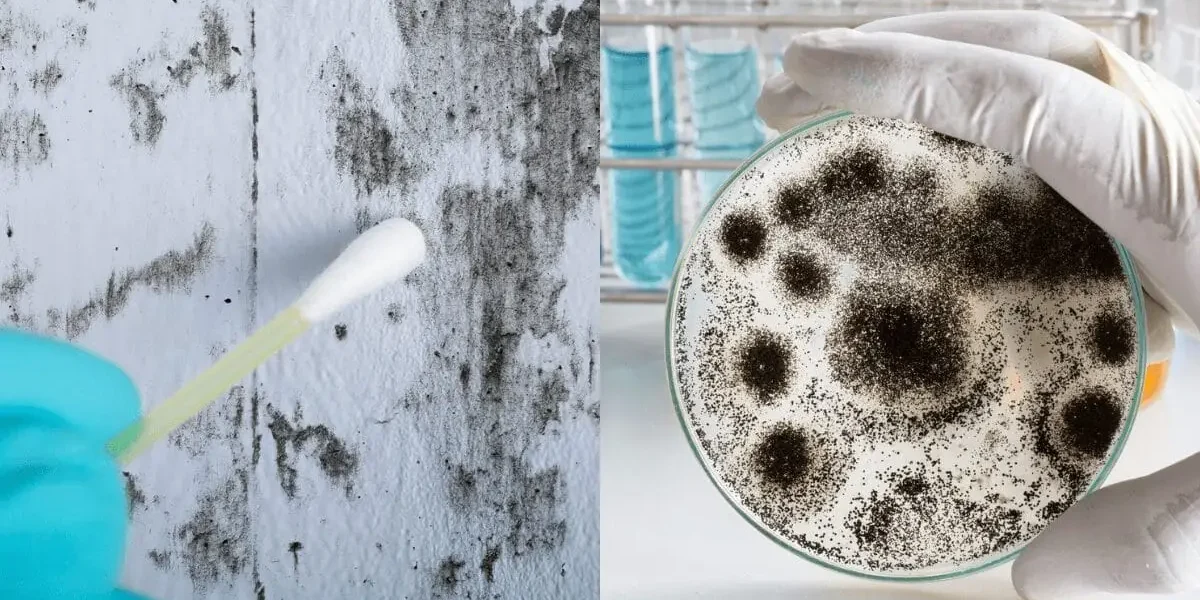
- Air Sampling: This process pulls air samples to measure spore counts and types. This is great for detecting airborne mold you can’t see.
- Surface Sampling: Use swabs or tapes on suspicious spots to check for active growth.
- Bulk Sampling: Cuts out pieces of material (like carpet) for third-party lab analysis.
For all you South Florida folks, we’d recommend starting with air and surface tests, especially post-storm. Third-party labs like those used by Mold Only can even pinpoint if it’s the nasty black stuff or something more benign.
Why Bother with Regular Testing?
Alright, you’ve got the “why” down—now let’s talk about the payoffs. Regular mold testing is like oil changes for your car: Skip it, and you’re headed for a breakdown.
- Health Protection: Catch it early, and you prevent black mold exposure. Imagine fewer doctor visits and happier family breathing.
- Cost Savings: Remediation after a full-blown infestation? We’re talking $2,500-$30,000, depending on the severity. Testing runs $300-$1,000 and nips problems in the bud.
- Home Integrity: Mold eats away at your investment. Testing preserves value—key if you’re selling in this hot market.
- Peace of Mind: In a place like South Florida, where surprises (hurricanes, anyone?) are the norm, knowing your home is mold-free lets you enjoy the good stuff.
Additionally, you’ll want to schedule tests annually, or right after any water event. It’s cheaper than regret.
DIY Mold Testing: Yay or Nay?
Maybe you’re a bit handy, and those home store kits sure do look tempting. DIY can be a solid first step for spotting obvious issues: Grab a kit with petri dishes or swab tools, follow the instructions, and send samples to a lab.
But here’s the rub: Mold testing kits miss hidden mold and can’t always ID toxic types accurately. Plus, interpreting results? That’s where things can get pretty fuzzy. For thoroughness, you should call in a certified mold remediation company (like Mold Only) to help you. Professionals like us will often use advanced tools, follow EPA guidelines, and provide a clear action plan. Think of it as hiring a detective instead of Googling “is this mold?”
Prevention Tips to Keep Mold at Bay (Between Tests)
Mold testing is your radar, but mold prevention is your shield. Here are some South Florida-specific hacks:
- Tame the Humidity: Keep indoor humidity levels below 60% with dehumidifiers or AC tweaks. In humid spots like your lanai, fans are your friend.
- Vent It Out: Exhaust fans in bathrooms and kitchens, and clean your dryer vent regularly. No more steamy spore nurseries!
- Fix Leaks Fast: That dripping faucet or post-rain puddle? Address it within 24-48 hours to starve mold of its H2O fix.
- Landscaping Smarts: Trim back overgrown foliage from your home’s exterior to cut moisture buildup.
- HVAC Love: Change filters quarterly and get annual tune-ups. Your AC is battling the humidity war single-handedly.
Furthermore, you’ll want to combine these hacks above with professional mold testing services, and you’re golden.
Don’t Let Mold Steal Your Sunshine
South Florida is paradise, but mold doesn’t care about your zip code—it’s forever opportunistic and relentless. Opting for regular mold testing isn’t a chore; it’s your ticket to a healthier, happier home that stands strong against the elements. From dodging black mold’s toxic tricks to saving on surprise repairs, the benefits stack up like conch fritters at a beach BBQ on Juno Beach.
Ready to take control of mold in your home? Reach out to Mold Only today and get no BS advice from a top-rated Florida mold remediation company that offers a no-obligation consultation. Our mold removal experts specialize in South Florida’s unique challenges, using top-tier testing techniques to keep your home free of mold. Give us a call if you need help—your lungs (and your peace of mind) will thank you for years to come.