

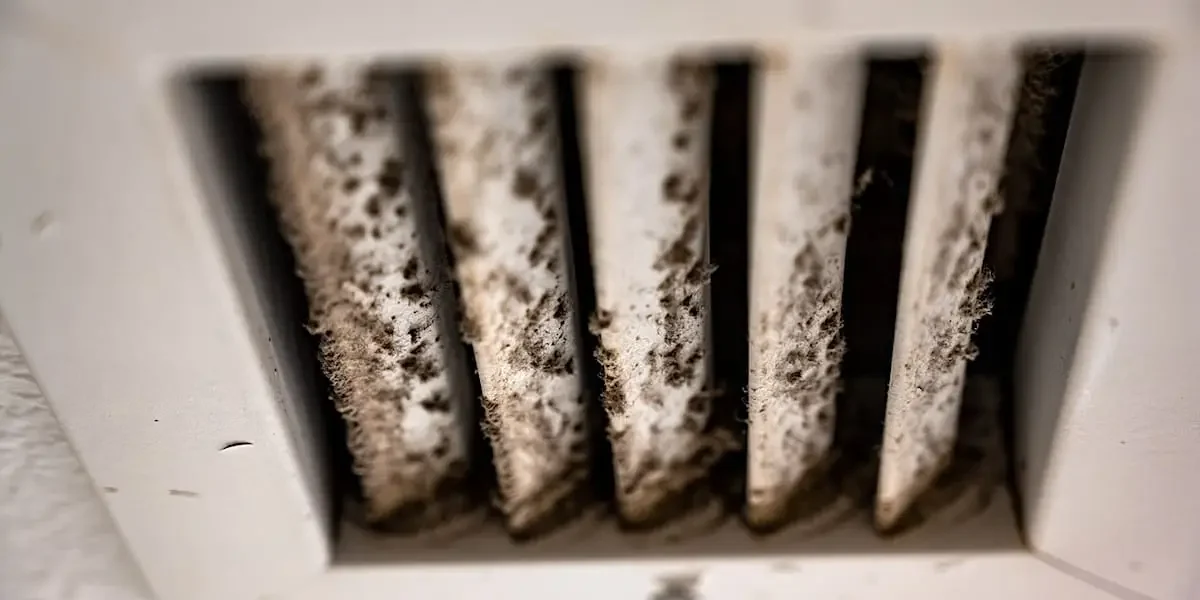
Persistent coughing, sneezing, or other respiratory issues at home can be more than just a seasonal cold, especially in humid regions like South Florida. These symptoms might signal that you have mold in your air ducts, a hidden problem that can compromise indoor air quality and affect your family’s health. Mold thrives in the warm, damp environment of HVAC systems, spreading spores throughout your home every time the system runs. This comprehensive guide explores why mold in air ducts causes health issues, how to identify it, and expert steps for mold testing, cleaning, and preventing future growth to keep your home’s air clean and safe.
Why Mold in Air Ducts Triggers Health Problems
Mold in air ducts is particularly concerning because it circulates spores directly into the air you breathe. When your HVAC system operates, it can distribute these microscopic particles throughout your home, leading to allergic reactions, asthma flare-ups, or chronic respiratory symptoms like coughing and sneezing. In humid climates, air ducts often become a breeding ground for mold due to condensation and poor ventilation. Those in your home with allergies, asthma, or weakened immune systems are especially vulnerable to mold. However, even healthy individuals may experience irritation from prolonged exposure to mold too. Recognizing mold as a potential cause of your symptoms is the first step toward a healthier home.
Common Signs of Mold in Your Air Ducts
Identifying mold in air ducts can be challenging since it’s often hidden from view. A telltale sign is there is a musty or earthy odor near the vents or when the HVAC system is running. You might also notice an increase in mold allergy symptoms, such as sneezing, coughing, watery eyes, or throat irritation, particularly when you’re indoors. Visible mold growth around vents or on nearby surfaces is another big red flag. Seeing unexplained spikes in energy bills could also indicate there’s mold buildup restricting airflow, forcing your system to work even harder. If you suspect that you’ve got mold in your home, quickly inspecting your air ducts is imperative to preventing further spread and additional health risks.
Testing for Mold in Air Ducts
Confirming that you have mold in your air ducts requires thorough testing. Professional mold inspectors like Mold Only use specialized tools like borescopes to visually inspect inside ductwork and air sampling to detect spore levels. These experts can identify the type of mold, such as black mold, which may require specific handling due to its toxicity. DIY mold testing kits are available, however, they often lack the precision needed for hidden areas like ducts. Hiring a certified professional ensures that you get accurate results and a clear plan for addressing the issue. This is especially true with complex HVAC systems where mold can lurk in hard-to-reach and out of sight spots as well.
Safely Cleaning Mold from Air Ducts
Cleaning mold from air ducts is not a task for amateurs, as improper handling can worsen the problem by spreading spores. For small, accessible mold patches, homeowners can use a damp cloth with a mold-specific cleaner, followed by thorough drying, while wearing protective gear like masks and gloves. However, most air duct mold issues require professional intervention. Certified HVAC cleaning services use HEPA vacuums, antimicrobial treatments, and specialized brushes to remove mold safely without contaminating other areas. Professionals like us also ensure the system is properly sealed during cleaning to prevent spores from escaping into your home’s air.
Addressing the Root Cause of Mold Growth
Removing mold is only part of the solution; addressing the underlying moisture issue is critical to prevent regrowth. Excess humidity, poor ventilation, or leaks near your HVAC system can create ideal conditions for mold. Installing a dehumidifier near the system or in your home can help maintain humidity levels below 60%, discouraging mold growth. Regular HVAC maintenance, such as changing filters and checking for condensation buildup, is also essential. Also, ensure there’s proper insulation around ducts to help prevent moisture accumulation, particularly in humid areas where temperature differences can cause condensation.
Preventing Mold in Your Air Ducts
Preventing mold in air ducts starts with proactive measures to control moisture and maintain your HVAC system. Schedule annual professional HVAC mold inspections to catch early signs of mold or moisture issues. Use high-quality air filters and replace them every one to three months to improve airflow and reduce dust, which can feed mold growth. Running a dehumidifier in your home, especially during humid seasons, keeps air dry and less hospitable to mold. Additionally, ensure your home is well-ventilated, and address any leaks or water damage immediately to prevent moisture from reaching your ducts.
Why Professional Help Is Crucial
While minor mold issues in accessible areas might be manageable, air duct mold often requires expert attention due to its complexity and health risks. Professional mold remediation and HVAC cleaning services have the tools, training, and certifications to handle mold safely and effectively. They can also assess your system for underlying issues, like poor insulation or drainage problems, that contribute to mold growth. When choosing a service, look for licensed mold remediation professionals (like Mold Only) with strong reviews and experience in mold-specific HVAC cleaning to ensure thorough and safe results.
Health and Safety Considerations
Mold spores in the air pose a significant health risk, particularly for children, the elderly, or those with respiratory conditions. During cleaning or remediation, limit exposure by keeping vulnerable individuals away from affected areas. Professionals like us use containment methods, such as negative air pressure systems, to prevent spores from spreading during cleaning. After remediation, monitor your symptoms and indoor air quality to ensure the problem is fully resolved. Using air purifiers with HEPA filters can further improve air quality, reducing the risk of lingering mold-related health issues.
Maintaining Clean Air in Your Home
Keeping your air ducts mold-free requires ongoing care throughout the year in Florida. You should regularly inspect your vents for dust or musty smells, and promptly address any HVAC inefficiencies. Invest in a hygrometer to monitor indoor humidity and keep it within the 30-50% range. Running routine HVAC maintenance, combined with a clean, well-ventilated home will help minimize the risk of mold returning. By staying on top of this, you can better ensure your home’s air remains fresh and free of harmful contaminants. This will help you reduce coughing, sneezing, and other health concerns that could adversely affect you, your family, and guests.
Taking Swift Action Against Mold
Coughing and sneezing at home could be more than just seasonal allergies—it might be a sign of mold lurking in your air ducts. By recognizing these common symptoms, testing promptly, cleaning safely, and taking preventive measures, you can restore healthy indoor air quality. In super humid climates like South Florida, where mold always thrives, professional help is often the best solution for thorough mold remediation and long-term prevention. Make sure to take action today to address potential mold in your air ducts and breathe easier in a healthier, mold-free South Florida home.
If you or a member of your household is experiencing any of the issues outlined above, you can contact Mold Only today to schedule a mold air sample testing at your home.