
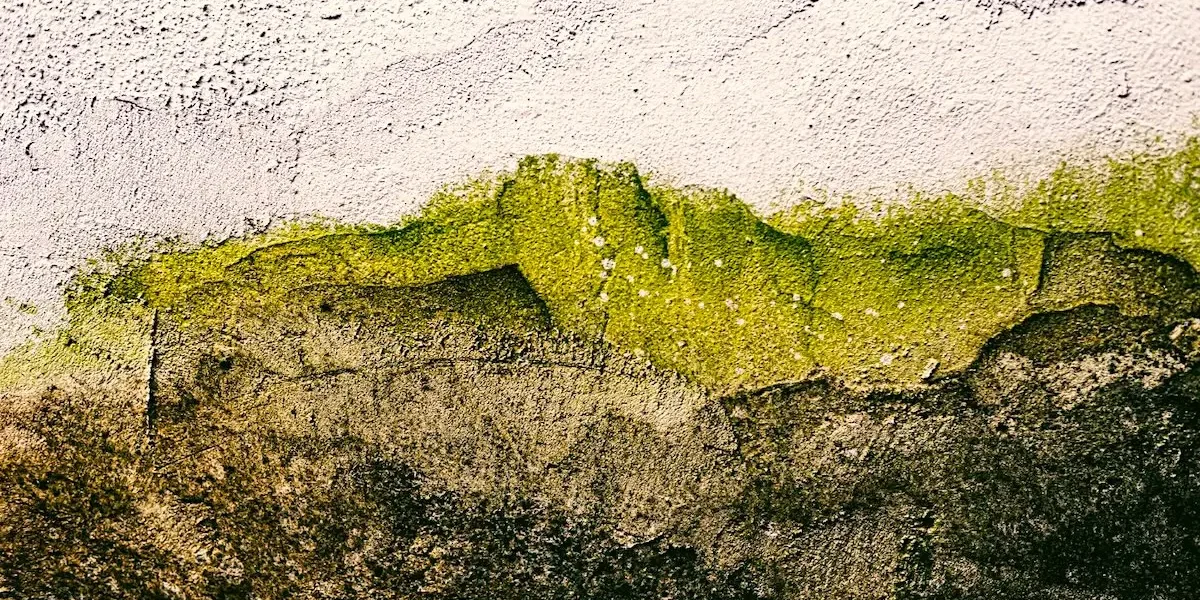
Green mold is one of the most common types of mold homeowners encounter, especially in Florida. Unlike the heavily publicized “black mold,” green mold isn’t a single species. It usually refers to several common molds that appear in shades of green, olive, blue-green, or yellowish-green.
What Is Green Mold?
The most frequent household green molds will often include these species:
- Cladosporium — Often olive-green to dark greenish-black with a powdery or suede-like texture. It’s very common to find it on windowsills, bathroom walls, fabrics, and in cooler areas.
- Aspergillus — This one can appear green, blue-green, or yellow-green. Powdery or granular. It’s frequently found in damp basements, HVAC systems, insulation, and on water-damaged materials.
- Penicillium — This is typically bright blue-green or teal with a fuzzy or powdery surface. It grows quickly on water-damaged drywall, wallpaper, carpets, and food.
Other molds like certain Trichoderma species can also look green. Generally, you cannot identify the exact species just by color alone — laboratory testing is typically required to precisely identify it. The color doesn’t reliably indicate how dangerous a mold is.
Where Does Green Mold Grow?
Green mold thrives anywhere moisture is present for more than 24–48 hours. Some of the common locations you’ll find in your home include:
- Bathrooms (especially around showers, tubs, and ceilings)
- Windowsills and window frames (from condensation)
- Basements and crawl spaces
- Behind walls or under flooring after water leaks
- HVAC systems and air ducts
- On porous materials like drywall, wood, carpet, and fabric
Health Risks of Green Mold
Most green molds are primarily allergenic. Exposure to them can trigger:
- Sneezing, runny nose, or nasal congestion
- Eye irritation or watery eyes
- Coughing, wheezing, or asthma flare-ups
- Skin irritation in sensitive individuals
Some species of Aspergillus and Penicillium can produce mycotoxins under certain conditions. People with weakened immune systems, severe asthma, or existing lung conditions face higher risks of more serious infections (such as aspergillosis). Healthy individuals usually experience mainly allergic reactions or irritant effects.
If you or anyone in the household has ongoing respiratory symptoms, consult a doctor and consider professional assessment of the mold.
How to Identify Green Mold
Look out for these characteristics:
- Fuzzy, powdery, or velvety growth in green, olive, or blue-green shades
- A musty or earthy odor
- Growth that returns after simple cleaning (indicating an ongoing moisture problem)
Do not rely on just the color alone. What looks green in one lighting condition may appear darker in another.
How to Remove Green Mold Safely
The U.S. Environmental Protection Agency (EPA) recommends that homeowners can generally handle mold growth covering less than about 10 square feet (roughly a 3 ft × 3 ft patch) on hard, non-porous surfaces. Larger areas, porous materials (drywall, carpet, insulation), or mold in HVAC systems usually require professional mold remediation.
Step-by-Step DIY Removal (for small areas on hard surfaces)
1. Fix the moisture source first
Repair any water leaks, improve your ventilation, or reduce the humidity levels. Mold will return if the underlying water problem isn’t solved.
2. Protect yourself
Wear an N-95 respirator (or better), gloves, goggles, and long sleeves/pants. Avoid stirring up the mold spores.
3. Contain the area
Close your doors and consider using plastic sheeting if the area is larger. Turn off your HVAC systems that could spread mold spores in the air and further contaminate your home.
4. Clean the mold
-
- Scrub hard surfaces (tile, glass, metal, sealed wood) with detergent and water.
- Some people use undiluted white vinegar or 3% hydrogen peroxide (test a small area first).
- EPA guidance notes that bleach is not recommended as a routine practice because it does not effectively penetrate porous materials and the moisture can encourage regrowth. Dead mold can still cause allergic reactions, so physical removal is essential.
5. Dry it out thoroughly
Use fans, dehumidifiers, or open up your windows to dry the area completely within 24–48 hours.
6. Dispose of materials properly
Place any cleaned-up mold debris or used cleaning materials in sealed plastic bags and discard with regular trash.
7. Clean the surrounding area
Use a HEPA-vacuum on nearby surfaces and wash any affected soft items that can be laundered in hot water.
When to call a professional mold remediation company:
- The mold growth is larger than 10 square feet
- Mold on porous materials that need replacement (drywall, insulation, carpet)
- Suspected mold in walls, ceilings, or HVAC systems
- Anyone in the home has significant health issues
- After flooding or sewage contamination
Mold removal professionals like us follow industry standards (such as IICRC S520), use proper containment, and verify that the moisture problem is resolved.
Green Mold Prevention Tips
- Keep indoor humidity levels below 50–60% (use a dehumidifier if needed)
- Fix any and all water leaks promptly
- Improve ventilation in bathrooms and kitchens (exhaust fans)
- Clean up and dry all of the wet areas within 24–48 hours
- Ensure proper drainage around the foundation
- Regularly clean and maintain HVAC systems and filters
Managing Green Mold in Your Home
Green mold is pretty common and usually manageable when it’s caught early. The key is always the same: control the moisture source and remove the mold growth completely. For small, accessible mold spots on hard surfaces, careful DIY cleaning tends to work for most people. However, for anything more extensive or if any health concerns exist, getting professional mold remediation help is the safer and more effective choice.
If you’ve uncovered green mold in your home and are unsure about the extent of the problem, a professional mold inspection can provide clarity and peace of mind. Feel free to contact us about any questions or get a free mold removal estimate today.