

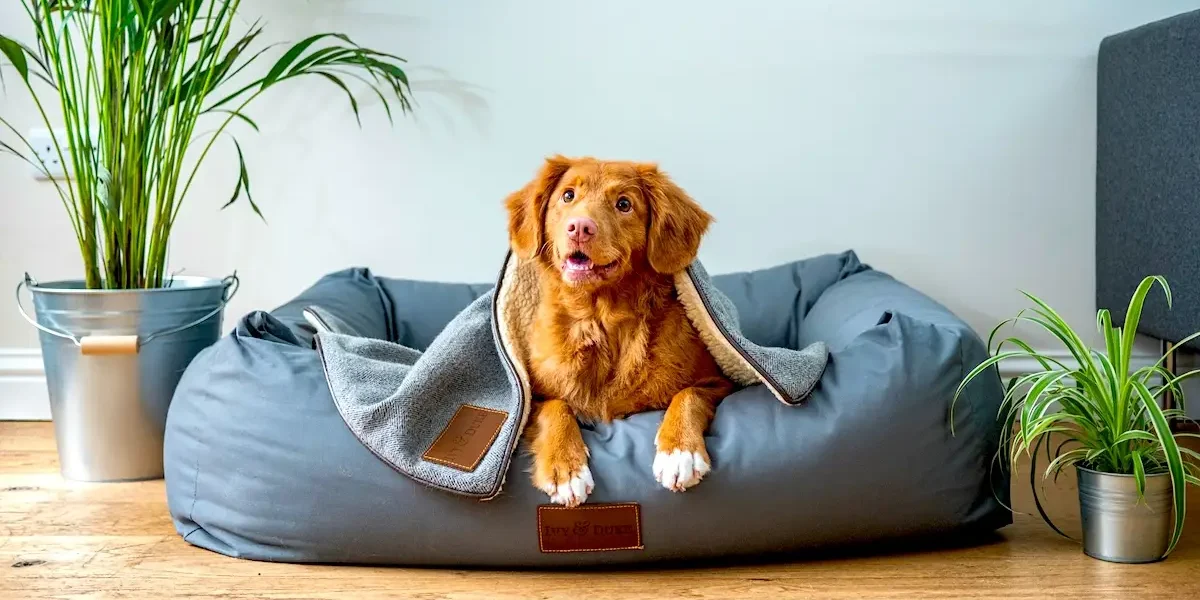
Many pet owners in South Florida think of mold as something that shows up on bathroom ceilings and walls or in damp basements. But the truth is, some of the biggest risks hide right where our furry (or scaly) family members spend most of their time. Pet beds, litter boxes, aquariums, and indoor kennels can become quiet breeding grounds for mold, especially in our warm, humid climate. What starts as a minor moisture issue can turn into real health problems for dogs, cats, birds, reptiles, and even small mammals.
We’ve talked to enough pet parents and our own mold removal folks over the years to know this topic doesn’t get nearly enough attention. So let’s walk through where mold likes to hide around pets, what to watch for, and how to handle it safely without exposing your animals to harsh chemicals.
Why Pet Areas Are Prime Real Estate for Mold
Pets bring warmth, moisture, and sometimes food particles into their spaces. A dog that comes in from a rainy walk and flops down on his bed introduces dampness. A litter box that doesn’t get scooped often enough holds ammonia and moisture that mold loves. Aquarium filters or hoods can develop hidden buildup, and outdoor-style kennels used indoors trap humidity fast. Some of the more common trouble spots within homes often include:
- Pet Beds and Blankets: Memory foam and plush beds hold moisture like a sponge. If they’re on carpet or in a poorly ventilated corner, mold can grow underneath or inside the stuffing.
- Litter Areas: Covered litter boxes especially trap humidity. Clumping litter can cake up and create perfect micro-environments for mold.
- Aquariums and Terrariums: Excess condensation on lids, uneaten food, and filter media create mold or mildew issues that affect water quality and air around the tank.
- Indoor Kennels or Crates: Plastic or fabric crates that don’t dry out fully between uses are easy targets, particularly for households with multiple pets.
In South Florida’s year-round hot and humid weather, even a small water leak near one of these areas can escalate things pretty quickly.
How Mold Affects Pets Differently Than People
Pets are often closer to the ground and spend more time sniffing and licking surfaces, which puts them at higher risk. Their smaller body size means toxins can hit harder, and many can’t tell us when something feels off.
Dogs may show respiratory issues, coughing, sneezing, or watery eyes. Some develop skin irritation or chronic ear infections. More sensitive dogs might lose energy or have digestive upset after heavy exposure.
Cats are notorious for hiding illness, but you might notice more frequent sneezing, wheezing, or litter box avoidance (sometimes because the area itself bothers them). Skin rashes or excessive grooming can also appear.
Birds and small animals like rabbits or guinea pigs are especially vulnerable. Respiratory distress can develop fast in birds because of their sensitive air sacs.
Reptiles in humid terrariums can suffer from scale rot or respiratory infections linked to moldy substrate.
Mycotoxins from certain molds can affect the nervous system or immune response in pets, sometimes mimicking other conditions. That’s why veterinarians sometimes miss the connection unless pet owners mention household mold concerns.
Spotting the Problem Before It Gets Bad
Look beyond the obvious black or green patches. Musty smells around pet areas, even if you can’t see mold, are a big red flag. White, fuzzy growth on fabric or wood, or a slimy film near water bowls and aquariums, also signal trouble. If your pets are scratching more than usual or are avoiding their usual spots, these can be behavioral clues too.
Safe, Pet-Friendly Mold Remediation Steps
The biggest mistake is reaching for bleach or strong chemical cleaners. These can create fumes that are more dangerous to pets than the mold itself, especially in enclosed spaces like crates or near aquariums. Here’s a more responsible approach:
- Remove and Isolate: Take affected pet beds, blankets, or toys outside. Dispose of heavily contaminated porous items—some things just aren’t worth saving.
- Clean with Pet-Safe Solutions: Use distilled white vinegar (diluted), baking soda pastes, or hydrogen peroxide (3% solution) on hard surfaces. These are effective against many molds and break down into safer byproducts. For fabric that can be saved, wash in hot water with vinegar or borax (check safety for your specific pets first).
- Address the Moisture Source: This is the most important part. Fix any leaks, improve ventilation with HEPA air purifiers rated for mold spores, and use dehumidifiers in pet rooms. For litter areas, consider switching to better airflow setups or uncovered boxes if privacy isn’t an issue.
- Aquarium and Terrarium Care: Remove animals temporarily if possible during cleaning. Scrub with vinegar solutions, replace filter media, and let everything dry thoroughly before reintroducing inhabitants. Test the water parameters afterward.
- Professional Help When Needed: If mold has spread into the walls, flooring, or an HVAC near pet areas, call in certified mold remediation experts like us who understand pet households. Good companies will use containment, HEPA filtration, and non-toxic antimicrobial treatments that are safer around animals.
After a thorough mold remediation service is completed, give the space extra time to air out. Some pet owners board their animals for a day or two during bigger jobs.
Mold Prevention Tips That Actually Work
- Wash the pet bedding weekly, and in hot water.
- Use washable, mold-resistant covers on beds.
- Place litter boxes and crates in well-ventilated areas away from walls.
- Monitor your indoor humidity levels—keep them under 50-55% when possible.
- Check on your aquarium hoods and terrarium substrates regularly.
- Consider using elevated pet beds that allow air circulation underneath.
A little routine maintenance throughout the seasons goes a long way in our South Florida humidity.
Maintaining Mold-free Homes for Your Pets
Our pets depend on us to notice the things they can’t. Mold in their personal spaces might seem like a small issue, but it can affect their quality of life and even lead to bigger veterinary bills. By staying observant and handling problems with pet-safe methods, you protect both your animals and your home.
If you’ve noticed any unusual smells, behavior changes, or visible growth around your pets’ areas, don’t wait. A quick visual mold inspection can make all the difference. After all, a healthy home means happier pets—and that’s something every owner can agree on.
If you’re dealing with any mold issues around your pets and have concerns, please contact us or get a free mold removal estimate online today.