

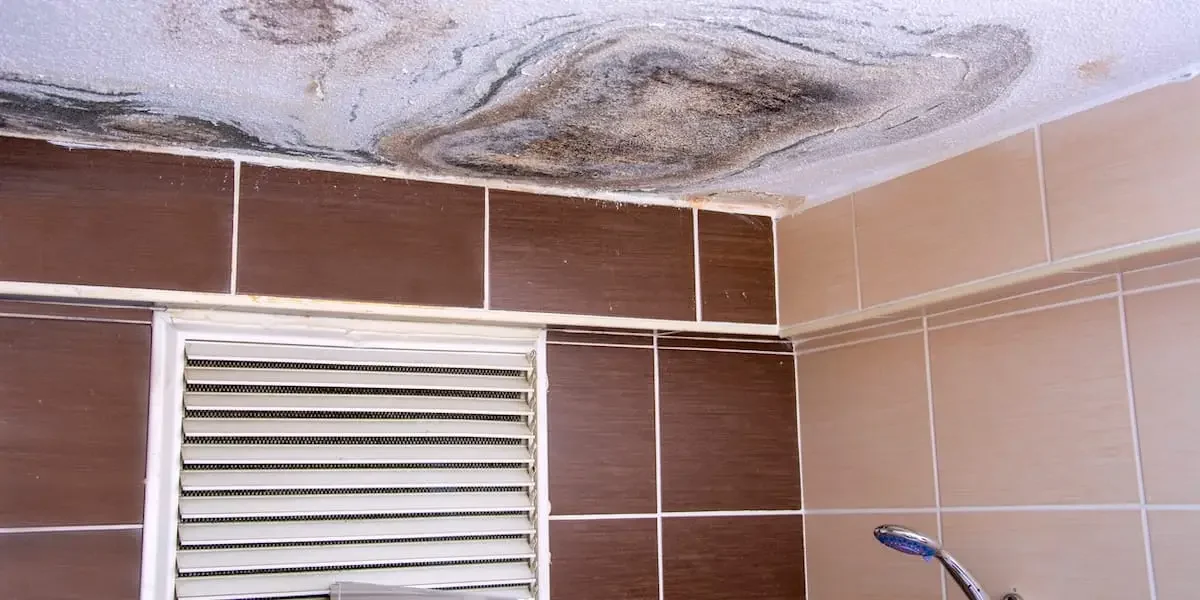
Have you recently noticed any dark spots or a musty smell creeping across your bathroom ceiling, you might be dealing with mold—possibly even black mold. As a leading South Florida mold remediation company who’s spent years tackling home repairs and renovations, we’ve seen moldy ceilings cause headaches (sometimes literally). Let’s walk through the signs, causes, health risks, removal, and mold prevention tips to keep your bathroom safe and free of mold.
The Signs: How to Spot Mold on Your Bathroom Ceiling
Mold doesn’t always scream “I’m here!” but it does leave you some clues. You’ll need to look out for these ones especially:
- Dark Spots or Discoloration: Black, green, or brownish patches, often in corners or near vents. Black mold (often Stachybotrys chartarum) can appear slimy or sooty.
- Fuzzy or Powdery Texture: Mold may look fuzzy or powdery, especially on damp ceilings.
- Musty Odor: A persistent damp, earthy smell, even after cleaning, is a giveaway.
- Peeling Paint or Warping: Mold loves moisture, causing paint to bubble or ceiling materials to warp.
- Health Symptoms: Sneezing, coughing, or headaches that worsen in the bathroom could point to mold exposure.
In the event you spot any of these, act fast, because mold can spread very quickly, and catching it early saves time, money, and personal health issues.
The Causes: Why Your Bathroom Ceiling Is a Mold Magnet
When it comes to bathrooms especially, they can become a haven for mold to grow. Bathrooms are typically warm, wet, and often poorly ventilated. Here’s why your ceiling is always a prime target for mold:
- High Humidity: Steam from hot showers rises and clings to ceilings, especially without good airflow.
- Poor Ventilation: Weak or nonexistent exhaust fans trap moisture, giving mold a cozy home.
- Leaks or Condensation: Plumbing leaks or condensation from uninsulated pipes above the ceiling create damp spots mold thrives on.
- Neglected Maintenance: Cracked caulk, peeling paint, or ignored water stains can help let mold take hold.
- Warm Temperatures: Mold loves the toasty vibes of a bathroom.
Knowing the “why” is key to stopping mold in its tracks, but first, we need to look more into why black mold is especially bad news for homeowners.
The Health Risks of Black Mold in Your Bathroom
Black mold, often Stachybotrys chartarum, isn’t just unsightly—it can mess with your health. While not every dark spot is black mold (other molds can look similar), it’s worth taking seriously because:
- Respiratory Issues: Inhaling black mold spores can trigger coughing, wheezing, or asthma attacks, especially in kids, the elderly, or anyone with lung conditions.
- Allergic Reactions: Sneezing, runny nose, itchy eyes, or skin rashes are common for people sensitive to mold. Black mold can make these worse.
- Toxic Mold Effects: Black mold produces mycotoxins, which, in rare cases, can cause more severe symptoms like headaches, fatigue, or even memory issues if exposure is prolonged.
- Strain on Immune Systems: For folks with weakened immune systems (think chemo patients or those with chronic illnesses), black mold can increase infection risks or worsen existing conditions.
If anyone in your home has unexplained symptoms that flare up in the bathroom, mold could be the culprit. Don’t panic, but don’t ignore it—addressing it quickly keeps risks low.
Mold Removal: Tips to Safely Clean Mold Off Your Ceiling
Before you tackle mold, prioritize safety. Mold spores in the air can irritate skin, eyes, and lungs, so wear gloves, an N95 mask (or better), and safety glasses. If the mold spans more than a small area (bigger than a dinner plate) or you have health concerns, call a professional. For smaller patches, here’s the plan to consider:
- Ventilate the Area: Open up your windows and run the exhaust fan to limit spreading any spores.
- Mix a Cleaning Solution: Use 1 cup bleach to 1 gallon of water or a store-bought mold cleaner. Never mix bleach with ammonia—it’s toxic.
- Spray and Scrub: Lightly spray the moldy area (avoid soaking it). Scrub gently with a sponge or soft brush until the mold disappears.
- Rinse and Dry: Wipe with a clean, damp cloth to remove residue, then dry thoroughly with a towel or fan. Mold hates dry surfaces.
- Check for Damage: If the ceiling feels soft or looks deeply stained, replace damaged drywall or plaster to prevent hidden mold growth.
You’ll need to seal up any used rags or sponges in a plastic bag for quick disposal. However, if mold keeps returning or the damage is extensive, a professional mold remediation company (like us if you’re in South Florida) can check for hidden issues like leaks.
Mold Prevention Tips: Keep Your Ceiling Mold-Free
Cleaning up the mold is only half the battle. In order to stop it from coming back, you’ll need to do this:
- Boost Your Ventilation: Run your exhaust fan during and 20-30 minutes after showers. No fan? Install one (at least 50 CFM for small bathrooms). Then, crack a window open when you can.
- Dehumidify: A small bathroom dehumidifier keeps humidity levels at 30-50%, mold’s least favorite range.
- Seal and Paint: Apply mold-resistant paint or primer (like Kilz or Zinsser) after cleaning. Recaulk fixtures to block moisture.
- Fix Water Leaks Fast: Regularly check your pipes and fixtures for leaks or drips. Even slow leaks can feed mold.
- Clean Regularly: Wipe down your walls and ceilings monthly with a vinegar-water spray to catch early mold signs.
- Insulate Your Pipes: Wrap up any exposed pipes with foam insulation to cut condensation.
Removing & Preventing Mold Growth on Bathroom Ceilings
In the event you have mold on your bathroom ceiling—especially black mold—isn’t just a cosmetic issue; it’s a health and home hazard. Try spotting the signs early, understanding the causes, addressing health risks, safely removing the mold, and staying proactive with prevention. By doing this, you’ll keep your bathroom safe and fresh from the elements. However, if the problem feels a bit overwhelming or symptoms persist, call black mold removal experts like us. Your ceiling, your health, and your peace of mind are worth it, and we’ll ensure it.
Got a moldy bathroom ceiling or health concerns in your South Florida home? Let us know, and we’ll help you figure out the next steps fast. You can call us or contact us online, and our team of mold remediation experts will reach out to you immediately to schedule an in-person visual mold inspection at your abode asap.