

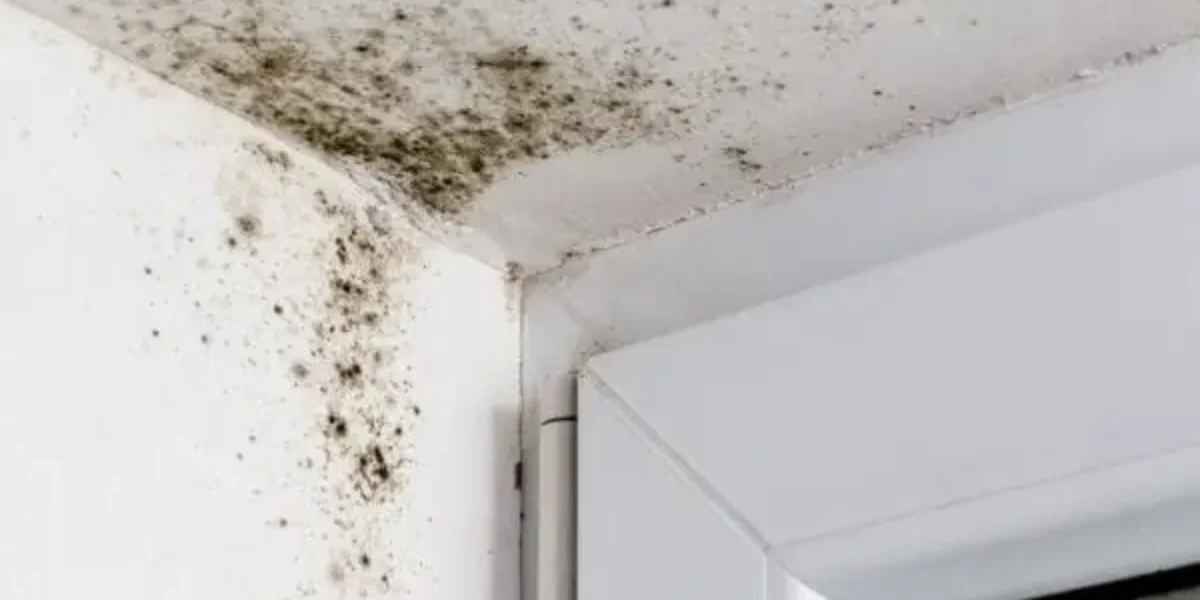
Mold often manages to hide in unexpected places, from our home’s ventilation to your drywall and carpets. Due to the number of cracks, crevices, and damp areas in a home, it’s not uncommon to experience the after-effects of mold growth long before you see the mold itself. Here are some warning signs that your home has a mold issue to look out for.
The Iconic Mold Smell
The telltale sign of a moldy home is almost always the musty smell. As mold grows and reproduces, it releases gases that are easily distinguished from any other scent by most people. Mold tends to smell familiar, as we encounter it in rotten and spoiled foods throughout our lives. However, it’s important to keep in mind that not everyone describes the smell of mold in the same way. The surrounding environment and type of mold in your home impact the scent you encounter.
An Earthy, Musty Scent
The most common description of a moldy scent is something musty, damp, and earthy. Mold that takes hold after storms or leaks smells relatively natural, though pungent and foul. Common associations for this scent include rotting wood, rotting vegetables, or even an old aquarium.
A Tangy, Spoiled Smell
Another mold smell to look out for is the tangy, spoiled smell. Like sweat, old laundry, or sour milk, this smell is more often the gut-wrenching scent that forces people to step back. A tangy smell is more indicative of something going bad, like milk or bread, rather than home mold growth. However, even mold growth in the home can smell this way.
Does Black Mold Smell Different?
Some molds do smell different than others. Black mold is among the mold species with a musty scent, so it’s nearly impossible to identify the species by smell alone. It’s important to keep in mind that one mold species can produce different odors depending on the surface it grows on and the humidity of the air.
The Unending Allergies
A more subtle but concerning indicator of mold growth comes in the form of the physical symptoms you and your family experience. High mold spore counts irritate the skin, eyes, and throats of your loved ones. These mold allergy symptoms are hazardous for any family members with asthma.
While these symptoms don’t immediately say it’s mold, the fact that they never go away is cause for concern. Chronic flu-like symptoms in the home or allergy relief outside both suggest that the source of the issue is in your home.
You should consider quickly consulting with your physician regarding your family’s health as you search for mold in your home. It’s important to rule out all potential causes and ensure your family can breathe easy indoors.
The Aesthetic Impact
Other warning signs that your home has a mold issue come in the form of physical damage to your home. It’s crucial to watch out for any changes or damage and address them to find the cause as soon as possible. Some aesthetic changes are mold in disguise, while others suggest your home is inviting mold in.
Signs of Water Damage
Signs of water damage in your home are not confirmation of mold, but a powerful warning that mold has the ability to grow in your environment now, if it hasn’t started already. Mold thrives in damp, warm environments and tends to follow water damage from roof leaks, floods, and even snowstorms (although very unlikely in South Floria). It’s crucial to keep an eye out for water damage both inside and outside your home throughout the year.
One sign of water damage to look out for is peeling wallpaper. Homeowners with wallpaper notice that increased humidity or dampness leads to peeling and bumps in the wall covering. More substantial leaks cause discoloration and even lead to water seeping through the wallpaper.
Another sign of water damage is bubbling and cracking in your walls. Like the wallpaper, water gets underneath paint and causes large stains, distended surfaces, and warping. A water bubble in your ceiling paint is especially concerning. Not only do you need to decide if they want to wait for the day it pops or drain it now, but you must also remain conscious of everything that water may have run along to get to your ceiling. This includes support structures and other rooms that now potentially host mold.
Dirty-Looking Tiles
Tiles on your bathroom floors, shower walls, and kitchen backsplashes all serve as fantastic places for mold growth. As these areas are often warm and wet, mold takes advantage of the situation if left unattended. Grout is highly porous, so while you can wipe mold spores off of tile with ease, real growth occurs on the grout and holds on.
Dirty tiles are most difficult to notice when you move into a previously lived-in home or apartment. If you notice the smell or irritation, it is smart to see if you can clean a section of your grout with DIY solutions like warm water and white vinegar. If you notice a significant color difference, there is a good chance that mold is the cause of discoloration between your tiles.
FAQs about The Warning Signs of Mold Growing in Your Home
Below are several common questions regarding the warning signs of mold growing in your home, how to identify it, remove, remediate, and prevent it from coming back.
What is the most reliable warning sign that mold is growing in my home?
The most consistent early indicator is a persistent musty, earthy, or “dirty socks” odor, especially in enclosed or rarely used areas like basements, closets, attics, or near HVAC vents. This smell comes from volatile organic compounds released as mold grows and reproduces—even when visible growth is hidden.
Can I have mold in my home without seeing any visible patches?
Yes. Mold often grows behind walls, under flooring, inside drywall, or within HVAC systems where moisture lingers undetected. In these cases, you may only notice the musty smell, unexplained allergy symptoms that improve when you leave the house, or subtle water damage clues like warped baseboards or discolored ceilings.
How do water damage clues help identify hidden mold?
Signs such as bubbling or peeling paint, warped walls or floors, water stains, or condensation around windows and pipes often signal past or ongoing moisture problems that invite mold growth. In South Florida’s humid climate, these clues can appear quickly after leaks, storms, or poor ventilation and should never be ignored.
Are health symptoms a reliable warning sign of mold in the home?
They can be. Persistent coughing, sneezing, itchy or watery eyes, wheezing, headaches, fatigue, or skin rashes that worsen indoors (and improve when you’re away) frequently point to black mold exposure. Multiple family members experiencing similar symptoms at the same time is another strong clue, especially in high-humidity areas from Pompano Beach to Boca Raton, West Palm Beach, and Jupiter.
Why is spotting mold warning signs more urgent in South Florida?
Our subtropical environment—with constant high humidity, frequent afternoon rains, and hurricane risks—allows mold to spread rapidly once moisture is present. What starts as a small leak or condensation issue can escalate to widespread growth within days, making early detection and professional response critical for both health and property protection.
Can air quality tests confirm mold even without obvious warning signs?
Yes. Professional mold air sampling and surface testing can detect elevated spore levels or specific mold types (including toxic varieties) even when there is no visible growth or strong odor. This is especially useful for hidden infestations in attics, crawlspaces, or ductwork common in South Florida homes.
Should I be concerned about mold if I only see a small patch?
Even small visible patches can indicate a larger hidden problem, particularly if accompanied by a musty smell or water damage. Small surface growth is often just the tip of the iceberg—a professional inspection helps determine whether the issue is localized or more extensive.
Do dehumidifiers and fans eliminate the need to address warning signs?
No. While running dehumidifiers (keeping indoor humidity levels below 60%) and improving ventilation can help slow mold growth, they do not remove existing colonies or fix the underlying moisture source. Any warning signs should prompt a thorough inspection and, if needed, professional remediation.
How quickly should I act after noticing warning signs of mold?
Act as soon as possible. Mold can double in size within 24–48 hours under the right conditions, and chronic mold exposure increases mental health risks. In South Florida’s climate, fast action after storms or leaks prevents minor issues from becoming major, costly problems.
When should I call a professional for suspected mold in my home?
Call a certified mold remediation specialist like us immediately if you notice a persistent musty smell, visible dark patches, water damage signs, or recurring health symptoms that improve away from home—especially after heavy rains or flooding. Mold Only provides expert-led visual mold inspections, accurate surface and air testing, along with safe mold removal and remediation, and prevention strategies tailored to South Florida homes and condos.
Spot Mold in Your Home? Contact Mold Only
Once you notice mold’s warning signs throughout your home, it’s important to try to find the mold itself. Some mold grows in places you can easily spot as a homeowner, such as inside cabinets or behind large appliances. Mold also takes hold in attics, basements, and even fireplaces. Getting a visual mold inspection in your home gives you a good sense of how significant the problem is and when you need to act.
However, if you don’t see the mold in your home but still experience these warning signs, it’s important to call in help. As mentioned previously, mold grows in places that are difficult to reach without literally climbing inside the walls of your home. Finding the source of moisture that is allowing for mold growth is a difficult task in itself, but crucial to the overall mold remediation process.
If you have a sense or a certainty that there’s mold in your home, our team of trained technicians is happy to help. Mold Only proudly offers mold testing and mold removal services to the residents in Palm Beach and Broward Counties and the surrounding areas of South Florida. We bring nearly 20 years of experience to the table, as well as a passion for equipping our neighbors with the knowledge they need to stop mold in the future.
If you need help getting rid of mold in your home, you can contact us or get a free mold removal estimate online.
For a mold emergency or if you require immediate help, please call us at: (866)-591-6653