

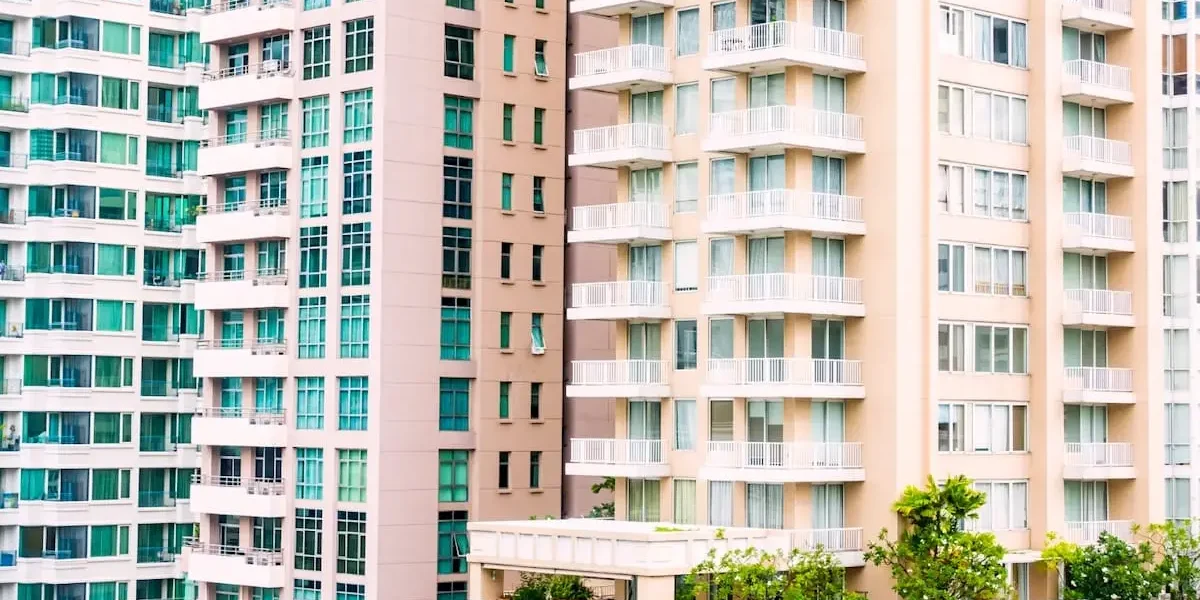
Living the luxury condo living life in South Florida has a ton of perks. However, if you’ve lived here long enough, seeing mold in condominiums shouldn’t be much of a surprise to you. As top-rated certified mold remediation company who’s spent nearly two decades knee-deep in the sticky, salty air of South Florida, chasing down leaks in everything from Coconut Creek co-ops to Fort Lauderdale high-rises—you know our paradise comes with a pesky sidekick: mold. That fuzzy, musty intruder loves our humidity like a tourist loves happy hour. We’ve seen it turn pristine penthouses into headache factories overnight, especially after a pop-up thunderstorm or that inevitable hurricane season drenching.
Nevertheless, if you’re living stacked up in a condo, this means you’re not just fighting your own battles; you’re tangled in a web of shared walls, roofs, and responsibilities with your HOA and neighbors. But don’t sweat it—we’re here to arm you with the straight talk about mold in condos. From what causes it, how to spot it, the real health risk it packs (spoiler: it’s not just “ew, gross”), who’s footing the bill for cleanup, and battle-tested ways to prevent it from crashing your condo. Let’s dive in deeper, because in South Florida, staying dry isn’t optional—it’s survival.
What Causes Mold to Grow in Your Condo
When it comes to mold, it isn’t picky, but it’s an opportunist that thrives anywhere that’s damp and dark. Down here, where the air often feels like breathing through a wet towel (90% humidity averages), it’s basically throwing a perpetual party. But with mold in condos, the setup often amplifies the chaos. Nevertheless, here’s the rundown on the most common culprits we’ve wrestled with over the years:
- That Steamy South Florida Humidity: Our outdoor air is a mold incubator—think 75-85°F year-round with moisture levels that could drown a fish. Whenever AC units pull in that soup without proper dehumidification, it condenses inside walls, ceilings, and air ducts. We’ve pulled apart more than one Aventura unit where the evaporator coils were dripping like a leaky faucet, feeding black spots behind drywall.
- Leaky Everything from the Tropics: Roofs take the brunt of our daily deluges and those Category 2 surprises. Flash floods from Miami storms seep through aging seals, while balcony doors and windows—especially in older builds from the ’70s boom—warp and let water trickle in. Condo plumbing? Shared pipes mean one neighbor’s overflowing tub can flood your floor below. And don’t get us started on hurricane shutters that trap moisture post-storm.
- Ventilation Vacuums: Kitchens and bathrooms are mold magnets. Exhaust fans that vent into attics instead of outside? Well, that’s a recipe for disaster. In high-rises, central HVAC systems push stale, moist air through vents without enough fresh exchange, turning your unit into a petri dish. We’ve seen it in Hollywood condos where overworked systems during peak tourist season just recirculate the swamp vibes.
- Construction and Neighbor Nuisances: Older condos (pre-2000s) often skimped on vapor barriers, letting moisture migrate through concrete slabs. Shared walls mean if the unit next door has a slab leak from corroding rebar—super common in our salty air—mold hitchhikes over. And flooding? One association pool deck drain clogs, and bam—groundwater rises into garages and lobbies.
Bottom line: For mold in condominiums to grow, it needs moisture, food (like drywall or wood), and warmth. We’ve got all three in spades here in South Florida. So, make sure to spot the source early, or it’ll spread faster than rush-hour traffic on I-95.
Red Flags: The Warning Signs Your Condo Has Mold
Mold is very, very sneaky—it doesn’t announce itself with major fanfare. Furthermore, after years of mold inspections in Jupiter to Parkland, we’ve learned its tells. Ignore them, and you’re inviting a full-blown mold remediation rodeo. Keep an eye out for these signs of mold in your condominium:
- The Visual Villains: Black, green, or white fuzzy patches on walls, ceilings, or grout lines. Also, in humid spots like showers, it might look like speckled paint. Water stains—yellowish-brown rings from leaks—often precede the growth. Furthermore, in South Florida’s glare, check north-facing walls; they stay damper longer.
- The Nose Knows: That earthy, mildew stench? It’s mold’s calling card, strongest in closets or behind furniture where air stagnates. If your place smells like a forgotten gym bag after a rain, investigate.
- Texture Traitors: Bubbling paint, warped baseboards, or crumbling caulk around tubs. Tiles loosening in your bathrooms? That’s moisture undermining the adhesive. In AC closets, listen for gurgling drains—clogged condensate lines are a silent saboteur.
- The Sneaky Symptoms: Not seeing it? Well, you might feel it. Increased allergy flares, persistent coughs, or headaches that hit when you’re home. In condos, it can lurk in vents, blowing mold spores from room to room.
Additionally, you should consider doing a monthly “mold patrol”: Tape a plastic sheet over a suspect spot for 24 hours; condensation inside means high humidity. And after any storm, peek behind appliances—we’ve found colonies the size of dinner plates there.
Hidden Health Risks: Why Mold Hits Harder Than a Heat Wave
For the folks in South Florida, mold isn’t just an eyesore; it’s a health wrecker, and our endless summer exposure makes it relentless. As a company who’s consoled too many families sidelined by “mystery illnesses” that vanished post-remediation, we urge you: Take it seriously. Here’s the grim truth:
- Allergy Assaults and Asthma Triggers: Mold spores in the air can irritate eyes, noses, and lungs, sparking sneezing fits, itchy throats, and wheezing. In kids and asthmatics—rampant in our pollen-heavy air— it can land you in the ER. Black mold (Stachybotrys) pumps out mycotoxins that inflame airways like sandpaper.
- Toxin Terrors for the Vulnerable: Not all molds are toxic, but the ones loving our wet walls (like Aspergillus) release chemicals that mess with your immune system. Elderly folks in Sunny Isles retirements? Basically, they’re at higher risk for chronic sinus infections. Immunocompromised? It can escalate to lung infections. We’ve seen it mimic flu-like symptoms, dragging on for several months.
- South Florida Specials: Year-round damp means constant low-level exposure, wearing you down like erosion on the Everglades. Post-hurricane spikes? FEMA reports show respiratory visits jump 30% in flooded zones. And VOCs from mold mix with our indoor cleaners, creating a cocktail of irritation.
Additionally, if mold allergy symptoms sync up with your space, get an air quality test pronto—don’t wait for the HOA meeting meltdown.
The Costs: Who’s Picking Up the Tab for Mold Removal?
Ah, the million-dollar question in condo land: Who pays when the mold spores hit the fan? In Florida, it’s a tango between your declaration of condos, state statutes (Chapter 718), and common sense. We’ve helped mediate enough disputes to know it’s rarely black-and-white, but here’s the playbook:
- HOA’s Turf: Common Areas and Structure: Balconies, roofs, exterior walls, and shared plumbing? That’s association territory. If a building-wide leak from poor maintenance causes your unit’s mold, the HOA’s master insurance should cover remediation in common elements—and potentially intrude into units if it crosses boundaries. Florida law mandates HOAs maintain “structural integrity,” so push for their responsibility if it’s a systemic issue like faulty drainage.
- Your Castle, Your Wallet: Inside the Unit: Personal leaks (your AC drip pan, overflowing washer) or neglect (unsealed shower)? You’re on the hook via your HO-6 policy, which covers interior improvements. But if the HOA’s negligence contributed—like unaddressed roof work—demand they share costs. Document everything: Photos, timestamps, neighbor statements.
- Insurance Intricacies: HOAs often have “bare walls” coverage, leaving you to insure drywall in. Flood from outside? NFIP or private flood insurance steps in. Mold riders? Many policies cap at $10K—read yours. For big jobs, subrogation lets your insurer chase the at-fault party.
- Legal Leverage: If the HOA drags feet, Florida’s Condo Act requires response within 45 days. Then consider hiring a mold-savvy attorney for mediation—it costs less than unchecked spread. Furthermore, make sure to always get bids from certified remediation companies (IICRC pros) to keep numbers honest.
In short, you should always review your docs annually. We’ve helped save clients thousands by spotting vague clauses early. Furthermore, if you have one or more legal questions, it’s best to consult with a real estate or HOA attorney to better address your condo’s mold issues.
How to Remove and Remediate Mold Without Losing Your Mind
In case you discover mold in your condo, don’t grab the bleach—that’s the wrong move. Expert mold removal is a science, not just scrubbing at it. Here’s our step-by-step from countless condo mold removal jobs:
- Assess the Beast: Call a certified inspector (like Mold Only) for mold air sampling testing and moisture mapping. In FL, look for NORMI or ACAC credentials. Cost: ~$300-800 and worth every penny.
- Contain the Chaos: Seal off the area with plastic sheeting and negative air machines to trap spores. Kill your power to avoid shocks in wet zones.
- Extract the Excess: Fix the leak first—plumber or roofer. Then, you should use HEPA-vacuum and wet-wipe surfaces. Porous stuff like drywall? Toss it out; then scrub non-porous like tile.
- Nuke and Neutralize: Use EPA-approved antimicrobials (hydrogen peroxide-based, not bleach). Also, for heavy mold infestations, dry ice blasting or soda media—it can used it on ac vents for spotless results.
- Restore and Test: Rebuild with mold-resistant materials (greenboard, antimicrobial paints). Post-job air tests confirm clearance.
Another point, for DIY mold removal on small spots (<10 sq ft), it’s okay, but pros for anything bigger—the costs may run $500-6,000 depending on the scope. When it comes to living in condos, you should always coordinate with neighbors to avoid cross-contamination.
Fortify Your Building: Prevention Tips for Condo Owners and HOAs
Whenever it comes to mold prevention, it beats the cure every time, especially in our watery wonderland. Besides, as a condo owner, you’re the first line, but the HOAs set the tone. Here’s some tailored recommendations for all:
For the condo owner:
- Humidity Heroes: Run your dehumidifiers (set to 50% RH) in closets and baths—Energy Star models pay off in bills. Got ceiling fans? You’ll want to spin ’em counterclockwise in summer for lift.
- Routine Recon: Do monthly wipe-downs with vinegar solutions. Then, annual AC tune-ups—clean your coils to prevent 80% of drip issues, and seal any gaps around pipes with silicone.
- Storm-Proofing: Use hurricane shutters with drainage slits. Also, you’ll want to elevate valuables; use silica packs in storage.
- Smart Habits: You shouldn’t dry laundry indoors. Instead, open windows on dry days for cross-breezes.
For the HOA folks:
- Building-Wide Buffers: Install whole-structure dehumidification in garages and lobbies. Mandate roof inspections bi-annually—IR thermography spots hidden leaks.
- Drainage Drills: Clear your perimeter gutters quarterly and elevate AC units above any flood lines.
- Policy Punch: You should require vendor warranties for repairs. Also, consider budgeting 1-2% annually for preventive maintenance—it’s cheaper than a $100K+ remediation suit.
- Community Call: Form a “Mold Watch” committee. Annual air quality audits build trust.
Lastly, as long as everyone teams up together—your dues fund their fixes, after all.
Reclaim Your Mold-Free Condo & Standard of Living
South Florida’s condos are our vertical oases—ocean breezes, no yard work, poolside sunsets. But mold in condominiums? It’s the uninvited roommate that turns harmony into havoc. However, being armed with these insights—from sniffing out causes in our humid haze to divvying dollars and dodging disasters—you’re equipped to keep it at bay. Remember the mantra: Dry today, healthy tomorrow.
Spotted any signs of mold in your condo? Despite any concerns, you shouldn’t totally freak out. However, you should act fast and call a professional mold inspector like us before it festers. And chat with your board; collective vigilance is our superpower when it comes to combatting mold in condos. Got a mold issue lurking in your tower? Drop us a line; sharing your concerns saves condo buildings from mold fallout. So, if you’re located in Palm Beach or Broward County and have mold in your condo and need it removed, please don’t hesitate to contact Mold Only today. We’ll take the time to help you learn about our thorough and professional mold inspections, testing, and condo mold removal and remediation services.