

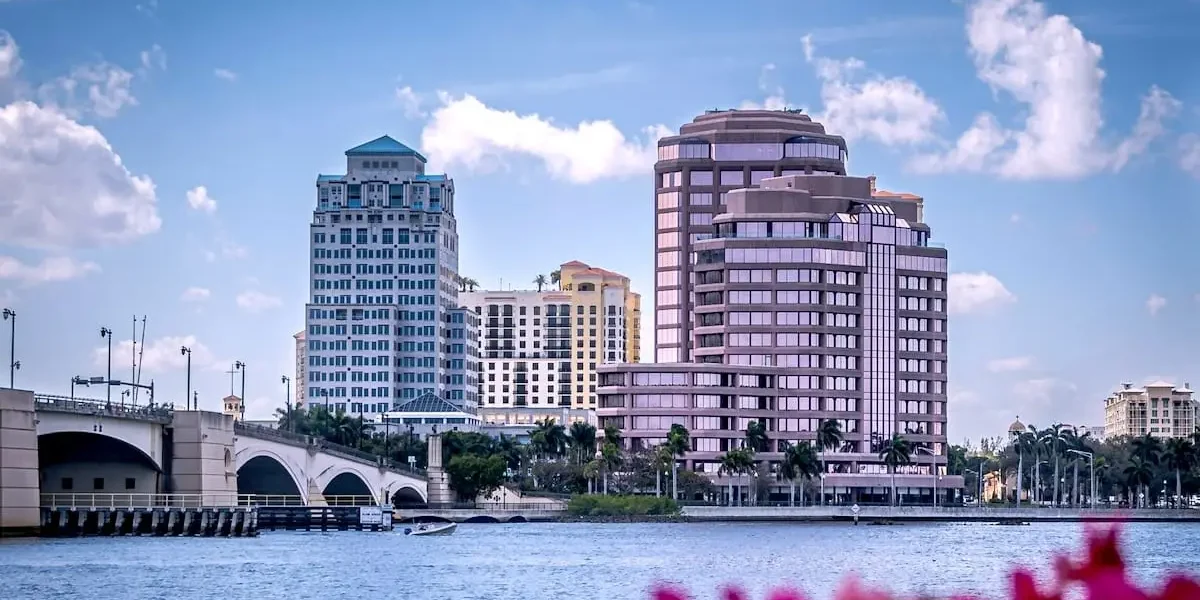
In the sun-soaked paradise of South Florida, from Miami-Dade, Broward, and Palm Beach counties—where humidity often exceeds 80% and tropical storms are a seasonal norm, mold thrives like an uninvited guest. For many thousands of renters, what often starts out as a musty odor or dark spots on walls quickly escalates into a full-blown crisis: health issues, escalating repair costs, and heated disputes with landlords. Ongoing complaints highlight a persistent problem: many property owners delay or outright refuse to address mold, leaving tenants grappling with respiratory problems, lease breaches, and the daunting prospect of legal action.
South Florida’s climate creates ideal conditions for mold growth. Leaky roofs, faulty AC units, poor ventilation, and lingering moisture from floods or pipe bursts allow mold spores to proliferate rapidly—often within 48 hours. While not all mold is toxic, common varieties like black mold (Stachybotrys chartarum) can release mycotoxins that trigger allergic reactions, asthma exacerbations, coughing, headaches, and in severe cases, long-term respiratory damage.
Tenants frequently report discovering extensive growth in bathrooms, ceilings, and behind walls, only to face landlord inaction. In one Miami case, a renter found black mold spreading due to ignored leaks, leading to health deterioration and a lawsuit alleging negligence. Similar stories emerge from Broward County apartments, where delayed responses have forced families to relocate temporarily at their own expense.
Florida law places the burden on landlords to maintain habitable conditions under Chapter 83 of the Florida Statutes, including compliance with building and health codes. This “implied warranty of habitability” means properties must be free from hazards like excessive mold caused by structural issues. However, the state lacks specific mold regulations—unlike California or Texas—leaving gray areas that landlords exploit.
Key tenant rights include:
- Providing written notice (certified mail recommended) of the mold issue, giving landlords 7 days to remedy material non-compliance (Fla. Stat. § 83.56).
- If unresolved, options like terminating the lease, withholding rent (deposited in escrow), or “repair and deduct.”
- For areas over 10 square feet, mold remediation must be done by licensed professionals with at least $1 million in liability insurance.
Yet enforcement is often challenging. Many tenants hesitate to report due to fear of retaliation or eviction. Code compliance offices in Palm Beach, Miami-Dade and Broward can investigate, issuing citations for violations like leaky plumbing fostering mold, but outcomes may vary.
Professional mold assessments are always crucial. South Florida tenants often hire licensed mold inspectors like Mold Only to test the air quality and identify sources, providing evidence for disputes. Remediation involves containment, removal, and fixing underlying moisture—a processes requiring protective gear and specialized equipment.
FAQs about Mold Disputes with South Florida Rentals
Below are several common questions about mold disputes in South Florida rental properties. Learn more about tenant and landlord rights under Florida law.
Who is legally responsible for mold in a South Florida rental property?
Under Florida law (Chapter 83), landlords must maintain habitable living conditions, including addressing structural issues like leaks, faulty AC systems, or poor ventilation that cause mold. Tenants are responsible for keeping the unit reasonably clean and reporting problems promptly in writing. Landlords generally handle remediation for mold resulting from building defects or water intrusion, especially areas larger than 10 square feet.
How quickly must a landlord respond to a mold complaint in Florida?
Once you provide written notice (preferably via certified mail), landlords typically have 7 days to make repairs for material non-compliance that affects habitability. Delays beyond this period can strengthen your case for rent withholding, lease termination, or legal action. In South Florida’s humid climate, where mold can spread within 48 hours, prompt response is critical.
What should I do if my landlord ignores my mold complaint?
Document everything with dated photos, videos, medical records, and copies of all communications. Send a formal 7-day notice of material non-compliance. If unresolved, you may withhold rent (placing it in escrow), terminate the lease, “repair and deduct,” or file a complaint with local code enforcement. Consulting with a tenant rights attorney in Florida or hiring a professional mold inspector (like us) for professional mold testing provides strong evidence.
Can I withhold rent or break my lease due to mold in my rental?
Yes, if the mold makes the unit uninhabitable and the landlord fails to act after proper notice. Options include placing rent in escrow until repairs are made or terminating the lease with documentation. However, you must follow Florida Statutes precisely to avoid eviction risks. Professional mold testing and remediation reports are highly valuable in these situations.
Is black mold or toxic mold treated differently in rental disputes?
While Florida law does not have specific “black mold” statutes, any significant mold growth—including Stachybotrys—that poses health risks can violate the implied warranty of habitability. Health symptoms, air quality test results showing elevated spores or mycotoxins, and professional mold remediation recommendations strengthen tenant claims, especially when landlords delay action.
What documentation do I need for a mold dispute with my landlord?
Keep a detailed record including: written notices to the landlord, photos and videos of visible mold/water damage, before-and-after health symptoms, medical records, communication logs, professional mold inspection and air sampling reports, and any code enforcement citations. This evidence is essential for disputes, insurance claims, or court.
Can my landlord evict me for reporting mold?
Retaliatory eviction against tenants is illegal in Florida. If you report mold in good faith and follow proper procedures, the landlord cannot evict you solely for that reason. Document all interactions carefully, as retaliation claims can be part of a broader habitability lawsuit.
Should tenants or landlords hire professional mold remediation in rentals?
For any area larger than 10 square feet or when hidden growth is suspected, professional remediation is strongly recommended (and often required by guidelines). Landlords are usually responsible for hiring licensed, insured companies. Tenants will benefit from independent mold testing to document the issue and ensure the work meets EPA, IICRC, and local standards.
How can mold disputes be prevented in South Florida rentals?
Landlords should conduct regular inspections, maintain HVAC systems, fix leaks immediately, and keep humidity under control. Tenants should report issues early in writing, use exhaust fans and dehumidifiers, and avoid blocking ventilation. Both parties benefit from proactive communication and professional mold inspections after storms or water events.
When should I contact a professional mold company during a rental dispute?
Contact a certified mold assessor like us as soon as you notice musty odors, visible growth, water stains, or health symptoms that improve when away from the rental—especially if the landlord is unresponsive. Mold Only provides visual mold inspections, air quality testing, detailed reports, and safe mold removal and remediation services that can serve as objective evidence in disputes across South Florida.
Exploring Your Legal Options
When landlords fail to act, tenants increasingly turn to legal recourse. Lawsuits for breach of habitability, personal injury, or negligence have resulted in settlements covering medical bills, moving costs, and rent abatement. Attorneys specializing in mold cases emphasize having documentation: photos, medical records, communications, and testing results.
Mold prevention is key for both sides. Landlords should conduct regular inspections, maintain HVAC systems, and respond promptly to leaks. Tenants can reduce risks by using dehumidifiers, ensuring ventilation, and reporting issues early.
As South Florida’s rental market continues to boom, mold disputes show no signs of abating. Empowered tenants, backed by documentation and professional help, are holding landlords accountable—ensuring that living in paradise doesn’t come at the cost of one’s health. If you’re facing a mold issue, consult a tenant rights attorney, local code enforcement, or contact Mold Only immediately. Your home should be a peaceful sanctuary, not an ongoing health hazard.