

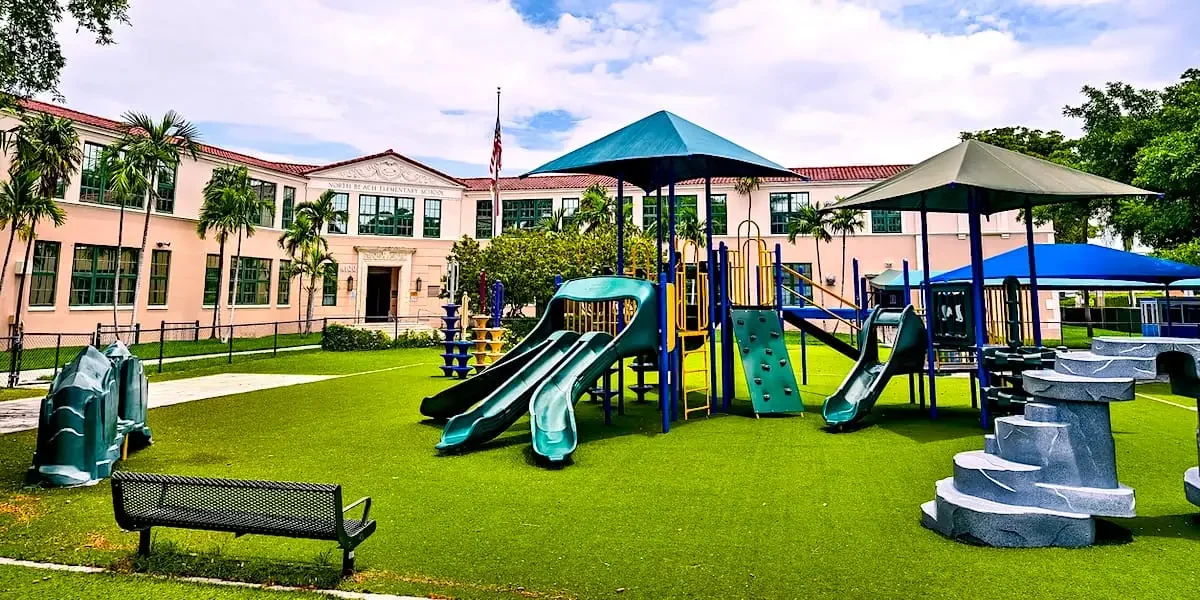
Mold in schools is a growing concern for parents, students, teachers, and administrators, particularly in South Florida’s year-round humid climate. With high humidity levels and frequent rainfall, schools in Palm Beach, Broward, and Miami-Dade counties are especially vulnerable to mold growth. If it’s left unchecked, mold can pose serious health risks, disrupt learning environments, and lead to very costly mold remediation efforts. This comprehensive guide explores the symptoms of mold exposure, the dangers of mold in schools, and actionable steps to protect the health of students and staff.
Why Mold in Schools is a Growing Concern in South Florida
South Florida’s tropical climate creates a perfect storm for mold growth. With average humidity levels exceeding 70% and temperatures often above 80°F, schools in cities from West Palm Beach and Fort Lauderdale to Miami face unique challenges. Poor ventilation, aging infrastructure, and water leaks from heavy rains or hurricanes can exacerbate mold issues in classrooms, libraries, and cafeterias. For parents, students, teachers, and administrators, understanding the risks of mold exposure is critical to ensuring a safe and healthy learning environment.
Symptoms of Mold Exposure in Schools
Exposure to mold can cause a range of health symptoms, particularly in children, who are more vulnerable due to their developing immune systems. Teachers and staff who spend long hours in affected buildings are also at risk. Recognizing the signs of mold toxicity is the first step in addressing the problem.
Common Symptoms of Mold Exposure
- Respiratory Issues: Wheezing, coughing, shortness of breath, or asthma exacerbation.
- Allergic Reactions: Sneezing, runny nose, itchy eyes, or skin rashes.
- Neurological Symptoms: Headaches, fatigue, difficulty concentrating, or memory issues.
- Immune System Effects: Increased susceptibility to infections or prolonged illness.
- Severe Reactions: In rare cases, mold-related illnesses like hypersensitivity pneumonitis can occur, particularly in individuals with compromised immune systems.
Children with asthma or allergies may experience worsened symptoms in moldy environments. Teachers may notice increased absenteeism or complaints of discomfort among students. If so, administrators should be on the lookout for these signs, as they may indicate mold issues within the school’s facilities.
The Health Risks of Mold in South Florida Schools
Mold is more than just an aesthetic problem—it’s a very serious health hazard. In schools, where students and staff spend significant time, prolonged exposure to mold can lead to serious consequences. Here are the primary health risks associated with mold in school facilities:
1. Respiratory Problems and Asthma
Mold spores can irritate the airways, triggering asthma attacks or worsening existing respiratory conditions. According to the CDC, mold exposure is linked to increased asthma symptoms in children, a significant concern in South Florida, where asthma rates are higher than the national average.
2. Allergic Reactions
Mold is a common allergen, and exposure can cause sneezing, skin irritation, and watery eyes. Students with undiagnosed allergies may struggle in moldy environments, leading to discomfort and reduced academic performance.
3. Toxic Mold Exposure
Certain molds, like Stachybotrys chartarum (black mold), produce mycotoxins that can cause severe health issues. While rare, toxic mold exposure may lead to neurological symptoms, chronic fatigue, or immune system suppression, particularly in sensitive individuals.
4. Impact on Mental Health and Learning
Mold-related symptoms like headaches and fatigue can impair concentration and cognitive function, affecting students’ academic performance and teachers’ ability to instruct effectively. Poor indoor air quality in schools has been linked to lower test scores and higher absenteeism.
The Dangers of Mold in School Facilities
Beyond the health risks, mold in schools can damage infrastructure and disrupt operations. Aging school buildings in South Florida, particularly in districts like Miami-Dade County Public Schools, are prone to water intrusion from hurricanes or heavy rains. Leaky roofs, clogged HVAC systems, and poor maintenance can create ideal conditions for mold to grow. The dangers of mold growth in schools include:
- Structural Damage: Mold can weaken walls, ceilings, and flooring, leading to costly repairs.
- Disruption of Classes: Mold remediation may require temporary classroom closures, which affects schedules and learning continuity.
- Legal and Financial Risks: Schools may face lawsuits or fines if mold issues are not addressed promptly, as seen in cases across Broward and Palm Beach counties.
How to Identify Mold in Schools
Parents, teachers, and administrators should be proactive in identifying mold to prevent health risks. Some of the common signs of mold in school buildings include:
- Visible Mold Growth: Black, green, or white patches on walls, ceilings, or floors.
- Musty Odors: A persistent damp or earthy smell in classrooms or common areas.
- Water Damage: Stains, discoloration, or peeling paint indicating leaks or moisture buildup.
- Health Complaints: Increased reports of allergies, asthma, or respiratory issues among students and staff.
If you suspect mold, administrators should conduct a thorough inspection, ideally with the help of a certified mold inspector (like Mold Only). South Florida schools should prioritize regular maintenance checks, especially after heavy rains or hurricanes.
Preventing Mold Growth in South Florida Schools
Prevention is always key to managing mold in schools. South Florida’s climate demands proactive measures to keep facilities mold-free. Here are practical steps for administrators, teachers, and parents:
-
Improve Ventilation
Ensure the HVAC systems are regularly maintained and filters are replaced frequently. Proper ventilation reduces humidity and prevents mold growth.
-
Address Water Leaks Promptly
Fix leaky roofs, pipes, or windows immediately. Schools should have a protocol for addressing water damage within 24-48 hours to prevent mold.
-
Control Indoor Humidity
Use dehumidifiers in areas prone to moisture, such as bathrooms, cafeterias, or portable classrooms. Aim to keep indoor humidity below 60%.
-
Conduct Regular Inspections
Schedule routine mold inspections, especially during South Florida’s rainy season (June to November). Certified professionals like Mold Only can identify hidden mold before it ever becomes a problem.
-
Educate the School Community
Train teachers and staff to recognize mold sensitivity symptoms and report issues promptly. Inform parents about the school’s mold prevention plan to build trust and transparency.
What to Do If Mold Is Found in Your School
If mold is detected, taking swift action is essential to protect students and staff. Here’s a helpful step-by-step guide:
- Notify Administrators: Teachers or parents should report mold concerns to school leadership immediately.
- Hire a Professional Mold Inspector: A certified inspector can assess the extent of the problem and recommend remediation.
- Relocate Students and Staff: Temporarily move affected classes to mold-free areas to minimize exposure.
- Engage a Mold Remediation Team: Licensed professionals like us can handle mold removal to ensure safety and compliance with regulations.
- Communicate Transparently: Administrators should inform parents and staff about the issue, the remediation plan, and timelines for resolution.
South Florida schools can contact local mold remediation experts like Mold Only in areas like Jupiter, Palm Beach Gardens, West Palm Beach, Boca Raton and Fort Lauderdale and surrounding areas. The Florida Department of Health also provides resources for addressing mold in public buildings.
The Role of Parents, Teachers, and Administrators
Each stakeholder plays a critical role in addressing the issues of mold in schools:
- Parents: Advocate for your child’s health by reporting mold concerns to school officials and staying informed about remediation efforts.
- Teachers: Monitor students for symptoms of mold exposure and report musty odors or water damage to administrators.
- Administrators: Prioritize regular maintenance, allocate budgets for mold prevention, and communicate openly with the school community.
Ongoing collaboration ensures a safer learning environment for everyone.
South Florida Resources for Mold in Schools
For schools in Miami-Dade, Broward, and Palm Beach counties, several resources are available:
- Florida Department of Health: Offers guidelines on mold prevention and remediation in public buildings.
- Local Mold Remediation Companies: Mold Only provide certified mold remediation services at affordable prices.
- School District Policies: Check with Miami-Dade County Public Schools, Broward County Public Schools, or Palm Beach County School District for specific mold management protocols.
Prioritizing Health and Safety in South Florida Schools
Mold in schools is a serious issue that demands attention from parents, students, teachers, and administrators. South Florida’s unique climate makes proactive prevention and swift remediation critical to protecting health and maintaining safe learning environments. By recognizing the symptoms of mold exposure, understanding the health risks, and implementing effective prevention strategies, schools can ensure the well-being of their communities.
If you suspect mold in your school, act quickly—contact administrators and/or Mold Only to schedule a professional mold inspection at the school, and advocate for a healthy learning environment. Together, we can keep South Florida schools safe and mold-free for years to come.
Is Mold a Concern at Your School? Take Action
If you’re concerned about mold at your school, please share this guide with your school community to raise awareness about mold risks. For more information about mold prevention tips or to hire certified mold remediation professionals like Mold Only to come in and inspect and test for mold in schools in Palm Beach or Broward County, then contact us today or you can check out these mold resources for more helpful information too.