

To all of our fellow South Floridians, whether you’re hunkered down in a cozy bungalow in Jupiter Farms or a beach house in Delray Beach, you know the drill. The sun’s relentless, the humidity clings like a bad habit, and just when you think you’ve got your slice of paradise under control, bam—mold shows up uninvited. We’ve spent years knee-deep in attics and crawl spaces across Palm Beach and Broward counties, pulling families out of sticky situations caused by this sneaky invader.
As a highly experienced mold remediation company who’s seen it all from leaky AC units after a pop-up storm to full-blown black mold blooms post-hurricane, we get how frustrating it is when the spores hit the fan and you’re left wondering: What does my homeowners insurance for mold damage actually cover?
In this no-BS guide, we’ll break down the mold mess: what sparks it in our subtropical hotbox, what your homeowners insurance policy actually covers (spoiler: not everything), and the smart moves to protect your wallet and your lungs. By the end, you’ll be armed with questions for your agent and tips to keep your home dry and claim-ready. Let’s dive in—before the next afternoon thundershower turns your closet into a petri dish.
Why Mold Loves to Grow in South Florida
Living down here means embracing the all the wetness. Average humidity levels hover around 70-80% year-round, with the hurricane season dumping inches overnight. It’s a mold fiesta just waiting to happen, but it’s not just Mother Nature crashing the party. Here’s what we see most often causing the damage:
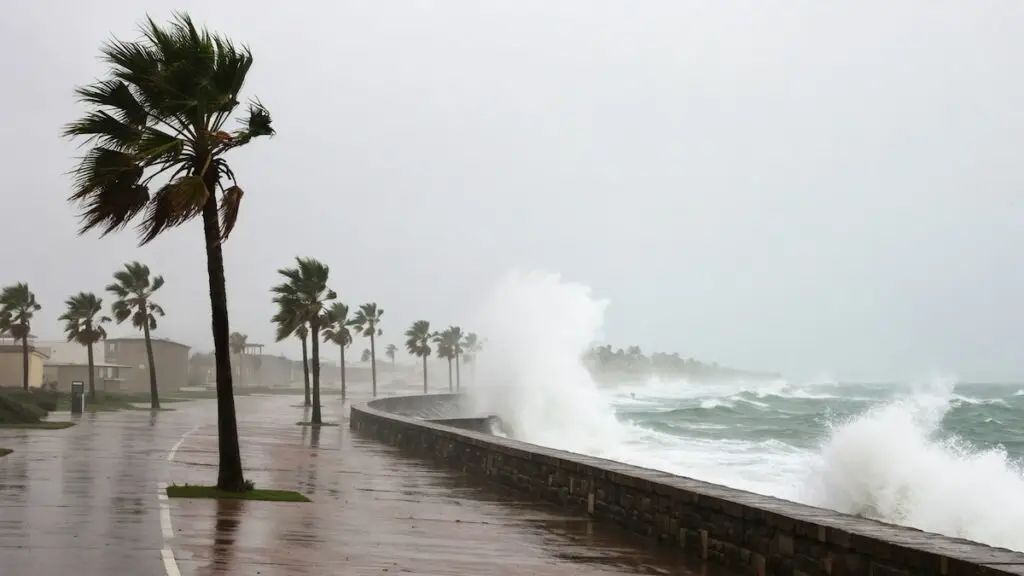
- Hurricanes and Flooding: Our biggest culprit. Think Ian in ’22 or the wild swings we get every fall—storm surges and heavy rains seep into walls, floors, and roofs. Even if the water recedes quickly, that 48-hour window before mold kicks in is all it takes. In South Florida, coastal homes are prime targets; I’ve pulled drywall in Fort Lauderdale homes where salt water from a king tide mixed with poor drainage to brew a toxic soup.
- AC and Plumbing Fiascos: That sweet, sweet air conditioning? It can betray you. Leaky evaporator coils or clogged condensate lines drip steadily, fostering mold in ducts, ceilings, and under sinks. Add in burst pipes from freezing rare cold snaps (yeah, they happen) or corroded galvanized plumbing in older builds, and you’ve got a slow-drip disaster.
- Roof and Exterior Woes: Tile roofs crack from hail or wind, flashing fails around chimneys, and boom—interior leaks. Poor gutters or flat roofs (common in mid-century moderns) pool water, inviting mold in your attic and bedrooms. And don’t get me started on stucco cracks; South Florida’s salty air eats at exteriors, letting moisture worm its way in.
- Daily Life Oversights: Overcrowded closets, unvented bathrooms, or that forgotten dishwasher cycle. High indoor humidity levels from cooking or showers without exhaust fans compounds it. In our climate, even a tiny ventilation slip can turn your laundry room into a spore factory.
The real kicker? Mold doesn’t announce itself with a major announcement. You might smell that musty earthiness or spot discoloration on grout before you realize the extent. Early warning signs like sneezing fits or worsening allergies? That’s your body waving the red flag to mold in your home.
The Florida Homeowners Insurance Breakdown
Florida homeowners insurance coverage for mold damage is a patchwork quilt—sewn together with hurricane deductibles, sinkhole riders, and now, mold clauses that make your head spin. Standard policies (like HO-3 forms) aren’t blank checks for mold remediation. Here’s what you really need to know about your homeowners policies:
What It Covers:
Sudden and Accidental Perils: If mold stems from a covered event—like a pipe bursting during a freak freeze, a washing machine overflow, or wind-driven rain through a hurricane-damaged roof—your policy often covers the costs for cleanup and repairs. In Florida, post-storm mold tied to a declared hurricane can qualify, especially if it’s under your windstorm coverage (separate in coastal zones via Citizens or private carriers). Expect coverage up to $10,000-$50,000 per incident, but it varies—mold remediation pros, containment, and even content replacement if furniture’s hit.
Limited Mold Endorsements: Some policies tack on “fungus” riders for extra dough, covering up to $5,000-$25,000 for mold testing and removal, even if not peril-linked. If you’ve got flood insurance through NFIP, it might chip in for mold from covered flooding (up to $1,000, though—peanuts for a big job).
What It Doesn’t Cover:
Gradual or Preventable Damage: The big no-no. Slow leaks from neglected maintenance, poor ventilation, or rising damp? Unfortunately, that’s on you. Insurers will often call it “wear and tear” and deny any claims faster than you can say “deductible.” What about mold in condos? If it’s in a common area, your HOA policy might cover it, but for individual unit stuff? Often not, unless it’s sudden.
Pure Mold Policies? Rare: Florida law doesn’t mandate mold coverage, so base plans exclude it outright or cap it low. No coverage for health claims or business interruption from mold either— that’s separate territory.
Furthermore, hurricane deductibles (2-5% of dwelling value) can sting on mold tied to storms. A $500K home? That’s $10K-$25K out-of-pocket expenses before any coverage kicks in.
Beyond the Policy: What Else Homeowners Need to Consider
Insurance is just the start—mold hits hard on health, home value, and hassle. Kids with asthma? Elderly folks? The mold spores can trigger everything from rashes to respiratory roulette; CDC says vulnerable groups need swift action. Selling your place? Disclose mold history or risk lawsuits—Florida’s buyer protections are fierce.
Financially speaking, professional mold remediation can run $500-$6,000 for small jobs and around $30K+ for whole-house mold infested horror shows. If denied, appeals work about 40% of the time with solid proof, but documentation gaps sink 35% of claims. And, in our litigious state, fighting denials might mean a public adjuster (10-15% fee) or attorney (contingency-based).
Flood vs. Wind: South Florida’s dual threats mean separate insurance policies. NFIP flood insurance covers mold minimally, but private flood riders might beef it up a bit.
Questions to Ask Your Insurance Carrier
Don’t let ’em off easy—call your agent or claims line armed with these questions. Ask to record the chat; it’s gold for any potential disputes regarding your homeowners insurance for mold damage and more.
- “Does my specific policy include mold coverage, and what’s the cap per incident?” (This reveals limits—some are as low as $1K.)
- “What qualifies as a ‘sudden and accidental’ event for mold claims?” (This nails down gray areas like “is a two-day roof leak sudden?”)
- “Are there any mold endorsements or riders I can add, and how much do they cost?” (Get better peace of mind for $100-300/year.)
- “What documentation do you need for a mold claim—inspections, photos, timelines?” (This prevents denials; ask for a checklist.)
- “How does my hurricane deductible apply to mold from storm damage?” (This could save you thousands in surprises.)
- “If a claim’s denied, what’s your appeals process, and can you connect me with an adjuster specializing in Florida mold?” (This shows that they’re serious.)
- “In the last year, what’s your approval rate for mold claims in South Florida?” (This helps you sniff out patterns.)
FAQs about Homeowners Insurance Coverage for Mold Damage
Below are several common questions about homeowners insurance coverage for mold damage in South Florida. Learn more about what is covered for flooding, hurricanes, and more.
Does homeowners insurance in Florida cover mold damage?
It depends on the cause. Most homeowners insurance policies cover mold only when it results from a sudden and accidental covered peril, such as a burst pipe, appliance overflow, or wind-driven rain from a hurricane. Gradual damage from poor maintenance, high humidity, or slow leaks is typically excluded. Always check your specific policy declarations and endorsements.
What is usually covered versus excluded in a Florida mold claim?
Covered scenarios include mold following sudden water damage from a covered event (e.g., plumbing failure or storm-related roof leak), including remediation, repairs, and sometimes contents. Excluded items often include mold from neglect, wear and tear, condensation, or ongoing humidity issues. Flood-related mold is generally not covered under standard homeowners insurance policies and requires separate flood insurance.
How much mold coverage can I expect under a typical South Florida policy?
Standard limits range from $10,000 to $50,000 for mold remediation when tied to a covered peril, though many policies cap it lower (sometimes as little as $5,000–$10,000). You can often add a mold endorsement (fungus rider) for additional coverage, usually for a small annual premium. High deductibles (especially 2–5% hurricane deductibles) can still leave you with significant out-of-pocket costs.
Is mold from a hurricane or flooding covered by homeowners insurance?
Hurricane-related mold may be covered if linked to wind damage (a covered peril), but flood damage—including resulting mold—is excluded and requires a separate NFIP or private flood policy. Even then, flood policies often limit mold cleanup to around $1,000. In coastal South Florida, distinguishing between wind and flood is critical for successful claims.
What documentation do I need to file a successful mold insurance claim?
Take dated photos and videos of the damage and water source before any cleanup. Keep records of communications with your insurer, professional mold inspection reports, air quality or surface testing results, remediation quotes, and proof of the sudden event (e.g., plumber invoices or storm reports). Detailed documentation significantly improves approval chances and appeal success.
Can I add extra mold coverage to my existing policy?
Yes. Many insurance carriers offer a mold endorsement or “limited fungus coverage” rider that increases limits for testing, removal, and repairs. These typically cost $100–$300 per year and can raise coverage from the standard low cap to $25,000 or $50,000. Review your policy or speak with your agent about adding this protection, especially in high-humidity South Florida.
What should I do if my mold claim is denied?
First, review the denial letter carefully for the exact reason. Gather stronger documentation (professional inspection and testing reports) and file an appeal within the policy’s timeframe. Consider hiring a public adjuster or attorney experienced in Florida property claims. In many cases, appeals with clear evidence of a sudden peril succeed. Acting quickly after water damage helps prevent denial due to “gradual” classification.
How does South Florida’s climate affect mold insurance claims?
Our year-round high humidity levels (70–80%+), frequent storms, and flooding risks mean mold can develop within 24–48 hours of water exposure. Insurers may argue “gradual damage” more aggressively here, making prompt professional documentation and remediation essential. Post-hurricane claims often face scrutiny over deductibles and distinguishing wind vs. flood causes.
Will homeowners insurance coverage for mold cover health-related issues?
No. Standard homeowners insurance coverage for mold damage does not cover medical expenses, lost wages, or health claims related to mold exposure. You would need to pursue those through health insurance or separate legal action if negligence is involved. Professional mold remediation helps reduce exposure and supports any related documentation.
When should I contact a professional mold company for an insurance claim in South Florida?
You should call certified mold remediation experts like us as soon as you discover water damage or suspect mold—ideally within 24–48 hours—to document the issue, contain spread, and provide the detailed reports insurers require. Mold Only offers visual inspections, air and surface testing, clear documentation for claims, safe mold remediation, and guidance tailored to Florida policies and our local climate.
Tips to Outsmart Mold Damage and Streamline Claims
Mold prevention is always cheaper than the cure—here’s our battle-tested playbook:
- Be Proactive: Run dehumidifiers (set to 50% RH) in basements, closets, and AC returns. Inspect roofs and AC quarterly; fix drips same-day. Fans in baths, silica packs in cabinets—small habits, big wins.
- Get Pro Help Early: Skip the DIY bleach sprays; they push spores deeper. Call IICRC-certified remediators for air sampling and containment. Cost? $300-500 for inspection, but it documents for insurance.
- Claim Smart: Snap dated photos/videos of damage before cleanup. Get written quotes from two remediation pros. File within policy windows (usually 1 year). If flooded, separate flood claims from homeowners.
- Upgrade Your Arsenal: Consider all-risk policies or bundle with flood. Annual policy reviews—rates shift with claims history. And join local online groups like Florida Mold Pros on Facebook for real-talk advice.
The bottom line: Dealing with homeowners insurance coverage for mold damage can really suck to deal with, but knowledge is your best defense. In South Florida, we’re all in the humidity boat together, so stay dry and stay adequately covered. And, if you’ve got a question, hit up your go-to local mold removal experts here at Mold Only. We’re one of South Florida’s most trusted, certified mold remediation companies around, and we’ve got your back.
For any questions about your mold situation, please contact us today, we’ll be happy to help you.
For a faster response, please call us at: 866-591-6653