

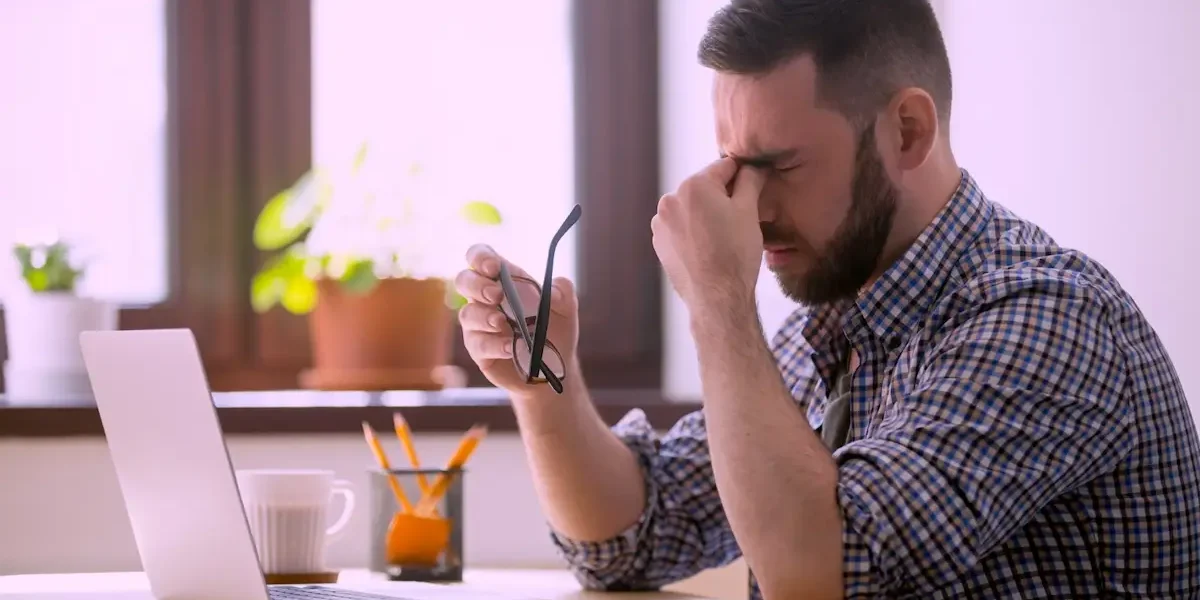
South Florida’s subtropical climate with year-round humidity levels often hovering between 70% and 90%, frequent afternoon thunderstorms, and hurricane-driven flooding—creates the perfect breeding ground for mold. Most homeowners know the visible signs: black spots on bathroom tiles, musty odors in attics, or water stains after a storm. They also recognize the classic physical symptoms such as: coughing, sinus congestion, allergies, skin rashes, and the dangers of mycotoxins and black mold (Stachybotrys chartarum). However, chronic mold exposure can cause a variety of mental health issues.
But a growing body of research reveals a far more insidious threat that often goes unrecognized: the neurological and psychological toll of chronic mold exposure. Residents across Miami, Fort Lauderdale, West Palm Beach, and Jupiter report persistent anxiety, crushing fatigue, brain fog, mood swings, memory lapses, and sleep disruption that mimic depression, ADHD, early dementia, or chronic fatigue syndrome. These “hidden” mental health effects stem from mycotoxins—toxic compounds produced by molds—that cross the blood-brain barrier, trigger neuroinflammation, disrupt neurotransmitters, and impair mitochondrial function.
Unlike acute allergic reactions, these cognitive and emotional symptoms develop gradually with prolonged black mold exposure in water-damaged homes, condos, or offices. Many South Floridians live with invisible mold behind drywall, in HVAC systems, or under flooring for years before connecting the dots. The result? Misdiagnoses, ineffective treatments, and unnecessary suffering. This article explores the science, why our region is uniquely vulnerable, practical screening questions, when to seek specialized care, and holistic mold prevention tips tailored to South Florida living.
How Mold Toxins Reach the Brain: The Biological Mechanism
Mold spores and mycotoxins enter the body primarily through inhalation in damp indoor environments. Once inside, they activate the innate immune system, causing widespread inflammation. Studies, including a 2019 investigation published in Behavioural Brain Research, demonstrate that mold inhalation leads to innate immune activation in the brain, resulting in neural, cognitive, and emotional dysfunction. Mycotoxins such as ochratoxin A, aflatoxins, and trichothecenes can penetrate the blood-brain barrier, especially in genetically susceptible individuals (about 24% of the population with specific HLA-DR genes).
This process triggers Chronic Inflammatory Response Syndrome (CIRS), a condition well-documented in environmental medicine. Neuroinflammation depletes key neurotransmitters like dopamine and serotonin while increasing oxidative stress and mitochondrial dysfunction. Frontal cortex hypoactivation—observed in EEG studies of mold-exposed patients—explains deficits in executive function, decision-making, and emotional regulation.
A 2024 study in older adults found mold exposure significantly raised anxiety symptoms (odds ratio 1.831), with cognitive decline acting as a partial mediator. Another review in Clinical Therapeutics (2018) linked mycotoxin exposure to neuropsychiatric symptoms including fatigue, malaise, depression, and cognitive impairment that worsen with duration of exposure. Animal models show ochratoxin A impairs hippocampal neurogenesis, directly contributing to memory loss and learning difficulties.
In South Florida, these mental health effects are often amplified. The constant humidity prevents homes from drying naturally after leaks or storms. Post-hurricane flooding (as seen after Ian, Helene, and Milton) leaves residual moisture in porous materials like drywall and insulation. Air conditioning systems, ubiquitous here, circulate mold spores if not properly maintained. Coastal properties face additional risks from salt-air corrosion and elevated groundwater. The result is chronic, low-level exposure that quietly erodes mental clarity and emotional resilience for thousands of residents.
Specific Mental Health Impacts of Chronic Mold Exposure:
Anxiety and Mood Changes
Mycotoxins disrupt the amygdala and prefrontal cortex, heightening fear responses while impairing emotional regulation. Patients often describe sudden panic attacks, generalized worry, irritability, or a pervasive sense of dread that appeared after moving into a new home or following water damage. Research from the University of Texas (analyzing thousands of participants) and multiple observational studies link black mold exposure to higher rates of depression and anxiety. One 2023 review noted mood disturbances, including obsessive-compulsive-like behaviors and social withdrawal, in mold-exposed cohorts. In South Florida, where seasonal affective disorder is rare due to abundant sunshine, these symptoms stand out as environmentally driven rather than seasonal.
Chronic Fatigue
Far beyond normal tiredness, mold-related fatigue feels debilitating and unrelenting. Mitochondrial damage reduces cellular energy production, while systemic inflammation drains resources. Studies of mold-exposed individuals report fatigue levels comparable to chronic fatigue syndrome, with 93% of tested patients in one U.S. cohort showing elevated mycotoxins. South Florida’s heat and humidity compound this, making everyday tasks like grocery shopping or commuting exhausting.
Cognitive Impacts (Brain Fog)
“Brain fog” is the most common complaint: difficulty concentrating, short-term memory loss, word-finding problems, slowed thinking, and impaired problem-solving. Objective testing in mold-exposed groups reveals deficits in visuospatial memory, verbal learning, psychomotor speed, and executive function—effects so pronounced that some neurologists initially mistake them for mild traumatic brain injury. A 2023 study in the Journal of Integrative Neuroscience documented these impairments persisting until exposure ends and detoxification begins.
Sleep Disruption
Mycotoxins interfere with circadian rhythms and melatonin production. Patients wake frequently, struggle to fall asleep, or experience vivid nightmares. Poor sleep then exacerbates anxiety, fatigue, and cognitive issues, creating a vicious cycle. In humid Florida bedrooms, mold often hides in mattresses, pillows, or behind headboards, making nighttime exposure particularly insidious.
These symptoms frequently overlap with physical complaints (headaches, joint pain, sinus issues), but when mental health dominates, patients may first see therapists or psychiatrists—missing the environmental root cause.
Why South Florida Residents Face Heightened Risks
Our region’s climate and lifestyle create a perfect storm. Average relative humidity rarely drops below 60%, ideal for mold growth (which thrives above 50%). Hurricanes and tropical storms introduce massive water intrusion; even minor roof leaks or AC condensation can bloom into colonies within 24-48 hours if not dried professionally. Older condos, waterfront homes, and low-lying areas in Miami-Dade, Broward, and Palm Beach counties are especially prone.
Demographics matter too. Retirees, families in older housing, and remote workers spending more time indoors face prolonged exposure. Climate change projections indicate wetter conditions and more intense storms, increasing future risk. A 2025 review of damp housing across climates confirmed stronger mental health associations in humid, tropical, and subtropical zones—precisely our environment.
Many residents dismiss symptoms as “just aging,” “stress from Florida living,” or “long COVID.” Yet when entire households or offices share the same complaints, the environmental link becomes clear.
Self-Screening Questions: Could Mold Be Affecting Your Mental Health?
Use this simple checklist (adapted from validated environmental medicine questionnaires). Answer honestly; even three to four “yes” responses warrant further investigation.
- Have symptoms (anxiety, fatigue, brain fog, mood changes) worsened or begun after moving into a new home, condo, or office—or after water damage, flooding, or renovations?
- Do you notice musty odors, visible mold, water stains, or excessive humidity in your living or working space?
- Does your fatigue persist despite adequate sleep, and does mental effort (reading, working) feel disproportionately exhausting?
- Have you experienced new or worsening anxiety, panic, irritability, or depression that doesn’t respond well to therapy or standard medications?
- Do you struggle with memory (forgetting names, appointments, or recent conversations), concentration, word-finding, or decision-making?
- Is sleep fragmented, with frequent awakenings or non-restorative rest, especially in your bedroom?
- Do symptoms improve significantly when you leave your home for several days (vacation, hotel stay) and return upon coming back?
- Have bloodwork, neurological exams, or psychiatric evaluations ruled out other causes yet symptoms persist?
- Does anyone else in your household or workplace report similar mental or physical complaints?
- Do you live in an older building, near water, or in a flood-prone area of South Florida?
If you answered yes to several of these, consider a professional mold testing (ERMI or HERTSMI-2) at your home alongside health evaluation.
When to Seek Professional Help: Specialists and Testing
Do not self-diagnose or attempt aggressive detox without guidance—binders and supplements can mobilize toxins too quickly, worsening symptoms. Start with:
- Environmental medicine or functional medicine physicians specializing in CIRS and mold toxicity (common in Florida due to demand).
- Neurologists or neuropsychologists for cognitive testing.
- Integrative psychiatrists familiar with environmental contributors to mental health.
Key tests include:
- Urine mycotoxin panels (detects ochratoxin, aflatoxin, trichothecenes).
- Inflammatory markers (C4a, TGF-β1, MMP-9, VEGF).
- Visual contrast sensitivity testing (simple office screen for CIRS).
- Home air and surface sampling.
- HLA-DR genetic testing to assess susceptibility.
In South Florida, seek out service providers experienced with local conditions—many integrate mold remediation referrals with treatment.
Holistic Mold Prevention and Recovery
True recovery requires removing the source first. Professional mold remediation (not DIY bleach spraying) followed by containment and prevention is a non-negotiable.
Mold Prevention Steps for South Florida Homes:
- Maintain indoor humidity below 50% with whole-house dehumidifiers and smart thermostats.
- Service HVAC systems quarterly; install UV lights and high-MERV filters.
- Use HEPA air purifiers in bedrooms and living areas.
- Address leaks immediately; after storms, hire certified restorers within 24 hours.
- Opt for mold-resistant building materials in renovations.
- Monitor with hygrometers and smart sensors linked to apps.
Recovery Support (Under Medical Supervision):
- Binders (cholestyramine, activated charcoal, bentonite clay) to escort mycotoxins out.
- Glutathione support, NAC, and mitochondrial nutrients to repair cellular damage.
- Anti-inflammatory Mediterranean-style diet low in sugar and processed foods (mold thrives on carbs).
- Regular exercise (once energy returns), sauna therapy (infrared preferred), and quality sleep hygiene.
- Stress reduction: mindfulness, therapy tailored to environmental illness, and gradual cognitive rehabilitation exercises.
- For anxiety and mood: some patients benefit from targeted supplements (omega-3s, vitamin D—vital in Florida despite sunshine) or low-dose medications temporarily while detoxifying.
Many Florida patients report dramatic improvement within 3 to 6 months of combined remediation and treatment: clearer thinking, restored energy, lifted mood, and normalized sleep. One Florida functional neurology practice documented cases where “early dementia” symptoms reversed after addressing mold.
FAQs about Chronic Mold Exposure
Below are several common questions about the health effects of chronic mold exposure, including the causes, symptoms, dangers, and health risks of extended exposure to black mold in homes or offices in South Florida.
Can black mold exposure really affect my mental health, or is it all in my head?
Chronic mold exposure is not “all in your head.” Mycotoxins and mold spores can cross the blood-brain barrier, trigger neuroinflammation, disrupt neurotransmitters, and impair mitochondrial function. This leads to real symptoms like anxiety, mood swings, brain fog, memory issues, and fatigue that often mimic depression, anxiety disorders, or early cognitive decline. Many people experience improvement only after the mold source is professionally removed.
What mental health symptoms are most commonly linked to chronic mold exposure?
Common mental health effects often include persistent anxiety or panic attacks, irritability, mood swings, depression-like feelings, debilitating fatigue, brain fog (difficulty concentrating or finding words), short-term memory loss, slowed thinking, and disrupted sleep (insomnia, frequent awakenings, or vivid nightmares). These often overlap with physical symptoms and may worsen over time in damp environments.
Why are South Florida residents at higher risk for mold-related mental health issues?
South Florida’s subtropical climate—with year-round humidity levels of 70-90%, frequent afternoon thunderstorms, and hurricane-related flooding—creates perfect conditions for rapid mold growth in walls, attics, HVAC systems, and older homes or condos. Coastal properties, low-lying areas, and poorly ventilated buildings in Miami-Dade, Broward, and Palm Beach counties amplify black mold exposure, especially after storms like Ian, Helene, or Milton.
How do I know if my anxiety, brain fog, or fatigue is from prolonged mold exposure?
Look for the patterns: Do the symptoms improve dramatically when you leave your home or office for several days and return when you come back? Are there musty odors, recent water damage, or multiple household members experiencing similar issues? A self-screening checklist can help, but a professional mold inspection combined with a medical evaluation (including tests for inflammation or mycotoxins) will provide more clarity.
Can children or elderly family members be affected differently?
Yes. Children may show irritability, trouble focusing, or behavioral changes, while older adults often experience amplified cognitive issues or fatigue that gets dismissed as normal aging. Retirees and those spending more time indoors in South Florida’s humid conditions are particularly vulnerable, as prolonged mold exposure can worsen existing conditions.
Will treating my mental health symptoms with medication fix mold-related issues?
Medications may provide temporary relief for anxiety, depression, or sleep problems, but they do not address the root cause—ongoing mold exposure and mycotoxin burden. True recovery usually requires professional mold remediation first, followed by medical support from environmental or integrative practitioners to reduce inflammation and support detoxification under supervision.
Is DIY cleaning safe if I suspect mold exposure is affecting my mood or cognition?
No. Disturbing mold without proper containment can aerosolize spores and mycotoxins, potentially worsening neurological and mental health symptoms. For any significant or hidden growth, certified professionals use containment, negative air pressure, and HEPA filtration to safely remove the source without spreading contamination.
How long does it take for mental health symptoms to improve after mold remediation?
Many people report noticeable improvements in brain fog, anxiety, fatigue, and sleep within weeks to a few months once exposure ends and the home is properly dried and remediated. Full recovery can take 3–6 months or longer depending on exposure duration, individual genetics (such as HLA-DR susceptibility), and any additional medical support. Consistent moisture control prevents setbacks.
Do air purifiers or dehumidifiers alone solve mold-related mental health problems?
They help reduce airborne mold spores and control humidity (aim for below 60%), but they cannot eliminate existing mold colonies or fix hidden water damage. However, professional mold remediation that addresses the moisture source and removes contaminated materials is essential for lasting relief from the neurological and psychological effects of chronic black mold exposure.
When should I seek help for possible mental health effects related to mold exposure?
You should seek help immediately if you notice persistent anxiety, mood changes, brain fog, fatigue, or sleep issues that coincide with a musty smell, water damage, or symptoms improving away from home—especially in South Florida’s humid climate. Start out with a visual inspection and mold testing, then consult an environmental medicine physician or integrative practitioner. Mold Only provides expert inspections, testing, and safe mold removal and remediation to help restore both your home and mental clarity.
Protect Your Mind and Home from Mold Exposure
The effects of chronic mold exposure to one’s mental health are very real, well-documented, and particularly prevalent in South Florida’s humid paradise. What feels like anxiety, burnout, or cognitive decline may actually be your brain signaling a toxic environment. By recognizing the connections, screening thoughtfully, and addressing both the home and the body, residents can reclaim mental clarity and emotional well-being.
If this guide resonates with you, start with a visual mold inspection at your home and the screening questions above. Explore our other guides on professional mold remediation, hurricane preparedness, HVAC maintenance, and more. For personalized care, consult with a qualified mold removal services company (like us), as your future self (and clearer mind) will thank you.
Don’t let hidden mold steal another day of joy, focus, or peace in our beautiful South Florida home. If you feel like you’re suffering from any of the symptoms above or have recently spotted mold in your home, call us or get a free mold removal estimate online today.