

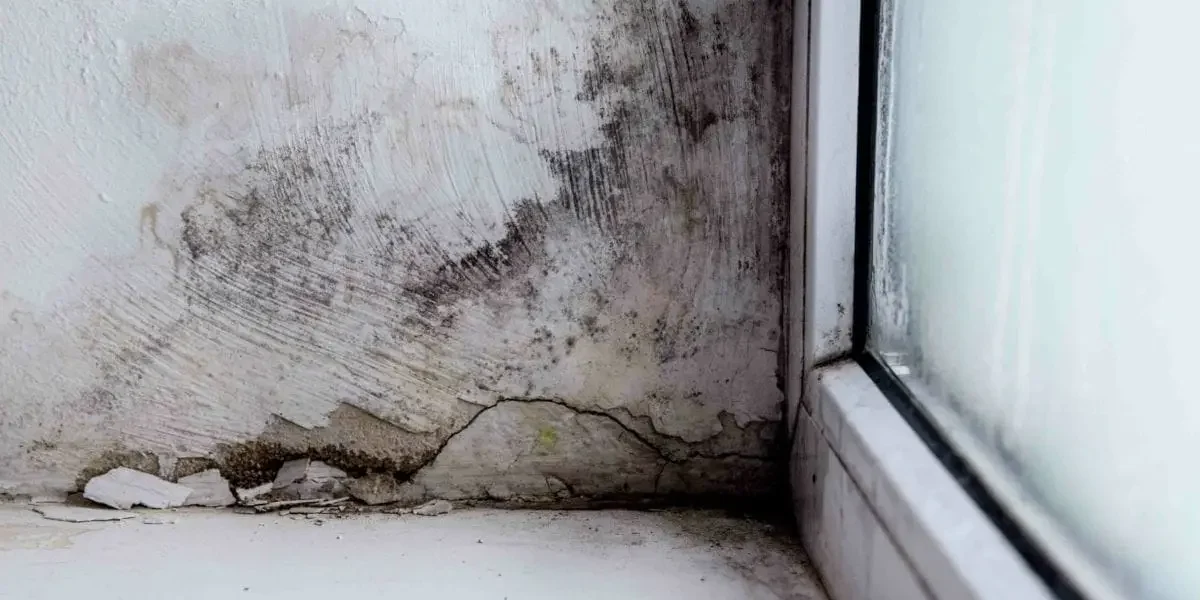
It’s not a great feeling to find mold in your home. There’s no shame in it—it happens to the best of us—but it usually leads to one thing: Googling. And, you probably won’t like what you learn online. But, before you panic, you should call a mold remediation specialist (like us). Professionals can test the area to identify the species of mold and the extent of the problem. For the big picture, it helps to have the different levels of household mold more thoroughly explained to you.
Are All Types of Household Mold Bad?
No—you just don’t really want it in your house (unless it’s as a delicious side dish of mushrooms). Several different types of mold play a natural part in the environment. When they’re outdoors, they help break down organic materials like leaves and trees. Molds reproduce by spores that are invisible to us but float in the air. They can grow wherever there’s moisture and oxygen.
Mold isn’t as welcome indoors. While not all mold species are toxic or dangerous, there are more than 100,000 different types of mold. They can spread through the air and even through air conditioning vents. Because their are mold spores in the air that we breathe, they can trigger health problems like asthma and other respiratory issues. But mold remediation specialists like Mold Only will determine how big your issue really is.
These specialists use dedicated equipment to collect and analyze samples from your home. This method is more reliable than trying to take a sample on your own. Mold remediation experts like us will be able to analyze the results and tell you the levels of mold spores in your home: living, dormant, and dead. They can also identify what species of mold is present. Best of all, mold professionals can help develop a plan to remove the mold and thoroughly sanitize the affected areas.
Common Types of Mold Found in Homes
When testing for mold, the type of species is just as essential as the level of mold spores counted. You might see some of these names of mold species on your report:
Acremonium
This small fungus can manifest as a powder in shades of pink, gray, orange, and white. It can spread in HVAC systems. After flooding, Acremonium can grow in carpet, too.
Aspergillus
Often found on walls and insulation, Aspergillus is a type of mold that has long spores that reproduce on top of each other in layers. Its colors can vary.
Aureobasidium
It might look black or pink when the growth starts, but it turns brown as time goes on. Aureobasidium often takes to painted surfaces, windows, and wood.
Chaetomium
This is a type of mold you can definitely smell. It looks like cotton and appears on carpets, baseboards, and even paper products. Chaetomium can be black, gray, white, or brown.
Cladosporium
If it looks like there’s a thin layer of earth-toned velvet or suede on your wood or tile, it might be Cladosporium.
Eurotium
This type of mold can sprout up quickly in air conditioning units and on the floor. Eurotium usually appears to be yellow or green.
Fusarium
You might notice white, brown, or purple cotton-like growth on damp carpets and walls. Fusarium is a type of mold that can even grow on polyester polyurethane foam.
Mucor
In areas with high humidity, Mcuor is a thick gray or white mold that will oftetn appear on carpeting, especially if it’s been there a while.
Penicillium
If you have water damage, you’re likely to find penicillium growing. This type of mold is green and powdery, and it can even grow on food.
Stachybotrys
You don’t want this type of black mold in your home. Stachybotrys is a powdery and grows slowly on items that contain cellulose, like paper and wood.
Trichoderma
This type of mold can be yellow or green, with a white circle surrounding the colony. Trichoderma can be devastating indoors because it will eat through wood, paper, and fabrics.
Ulocladium
If you have extensive water damage, Ulocladium is sure to make an appearance. This mold can be hard to identify by sight, though, because its form varies.
Wallemia
This type of mold is rarer, but Wallemia is very distinctive in that it can thrive on your floors and walls, even in somewhat dry environments.
The Levels of Mold Spores Explained
From air samples and surface swabs, removal technicians will interpret the concentration of mold spores in your home. At each level, you can expect to discover certain common types and levels of mold. As a general guide:
0-50 Spores
These trace levels of mold spores are considered to be a clean area. But if elements of Stachybotrys, Chaetomium, and Fusarium are present, further investigation might be necessary.
50-200 Spores
This is a low level of mold spores. Unless Memnoniella or Stachybotrys are present, there shouldn’t be an issue.
200-500 Spores
At this level of spore concentration, most of the common mold species are within a normal range.
500-1,500 Spores
In some closed environments, these spore levels might be due to everyday life. Penicillium, Aspergillus, and Cladosporium might not require professional mold remediation.
1,500-3,000 Spores
Many home renovators come across issues at this level. Molds can be lurking behind walls, fostered by dust and the air conditioning system.
3,000-10,000 Spores
Professional mold remediation is necessary at this point. If the spores aren’t due to a source that a specialist can visually identify, the air duct system might be to blame.
10,000-25,000 Spores
At this level, people with normal immune system functioning might experience some respiratory symptoms. You should restrict the area until mold removal can take place.
25,000+ Spores
If the spore levels are this high, you’ll need to vacate the area. A licensed and certified mold remediation specialist (like Mold Only) will need to remove any hazardous materials and thoroughly sanitize your home.
The Mold Testing Process to Identify Airborne Spores
Technicians take air samples from suspicious locations like the basement or kitchen and comparison samples from other parts of the home. The more data they can analyze, the more thorough the assessment will be. They might also swab walls and other affected surfaces.
While it’s alarming to realize that you might be living with a serious mold problem, make sure you work with a certified mold remediation company (like us) with a reputation for integrity. Too many local remediation companies take advantage of concerned homeowners with scare tactics. They might exaggerate the problem or hike up the price. If they don’t specialize in professional mold removal and remediation services, then they may not even have the expertise to target the specific mold correctly, efficiently, and safely.
FAQs about Different Levels of Mold Spore Counts
Below are several common questions about different types of household mold species, acceptable mold spore levels in homes, and more.
What do the different levels of mold actually refer to?
Household mold levels are measured by concentrations of mold spores in the air (spores per cubic meter) from professional mold air sampling and surface testing. These levels of mold spores help determine whether it is at trace, normal, elevated, or hazardous concentrations. The presence of certain toxigenic molds like Stachybotrys, Chaetomium, or Fusarium can make even lower counts more concerning.
Are low levels of mold spores (under 500) always safe?
Usually yes—trace to low levels (0-500 spores) are common and often not a problem in everyday indoor environments. However, if testing reveals toxic mold species such as black mold (Stachybotrys) or Memnoniella even at low counts, further investigation and possible action are recommended. Professional lab analysis identifies the exact species and whether living, dormant, or dead spores are present.
When do high levels of mold spores require professional remediation?
Professional mold remediation is typically needed starting at 3,000–10,000 spores or higher, especially if no obvious source is visible or if HVAC systems are involved. At 10,000–25,000 spores, respiratory symptoms may appear even in healthy people, and the affected area should be restricted. Mold levels above 25,000 spores are considered hazardous and usually require vacating the space until safe mold removal and sanitization are complete.
Can I rely on visible mold to judge the levels of contamination?
No. Visible mold is only part of the picture—many infestations are often hidden behind walls, under floors, in attics, or inside air ducts, releasing mold spores into the air without any obvious signs. Professional air and surface testing is the only accurate way to measure spore levels and determine the true extent of the problem in your South Florida home, or anywhere.
How do South Florida conditions affect household mold levels?
Our high year-round humidity, frequent storms, hurricanes, and flooding cause mold spore counts to rise quickly. Coastal and waterfront properties, older homes, and poorly ventilated spaces are especially prone to rapid escalation from low to hazardous levels. What starts as a minor water leak can lead to elevated concentrations of mold spores within days if the excessive moisture isn’t addressed promptly.
Will high mold spore levels always make me sick?
Not necessarily—healthy adults may tolerate moderate spore levels with few symptoms, but sensitive individuals (children, elderly, asthmatics, or those with allergies) can experience respiratory issues, coughing, fatigue, or worsened asthma even at lower counts. Chronic mold exposure at elevated levels increases the risk of more serious effects, including neurological symptoms.
Is it possible for mold levels to be high in one room but normal in the rest of the house?
Yes. Localized water damage, poor airflow, or contaminated HVAC systems can create high spore concentrations in specific areas while the rest of the home remains relatively clean. Comprehensive mold testing with multiple air samples (affected and unaffected areas) is essential to map the full picture.
Can air purifiers or dehumidifiers lower mold spore levels on their own?
They can help reduce airborne mold spores and control humidity (ideally keeping it below 60%), but they do not remove the mold source or kill colonies growing on surfaces or inside walls. Professional remediation that fixes the moisture problem and physically removes contaminated materials is required to bring the spore levels back to safe ranges.
Should I test for mold levels before buying or selling a home?
Absolutely. Pre-purchase or pre-listing mold testing provides peace of mind and valuable documentation. Elevated spore counts or the presence of toxic molds can affect property value and negotiations. Mold Only offers thorough, visual mold inspections tailored to South Florida’s humid, storm-prone climate.
When should I call a professional for household mold level testing?
Call a certified mold specialist if you notice musty odors, water stains, allergy-like symptoms that improve when away from home, or after any water damage or storm. Don’t wait until levels become hazardous—early testing and remediation prevent small issues from escalating. Mold Only provides accurate spore analysis, clear explanations of results, and safe, effective black mold removal services across South Florida.
Next Steps if You Have High Levels of Mold at Home
If you’ve identified an issue of high levels of mold spores in your home and need mold removal in South Florida, Mold Only can help. We can explain the different levels of household mold clearly, and without playing up the drama. Our staff has extensive training for mold testing and removing all types of mold species. We can test the area and give you a written plan with a schedule. Soon, you can relax in your home, confident that it’s mold-free inside and out.
If you need help testing the mold levels in your home or require professional mold removal and remediation, you can get a free mold removal estimate or contact us online. If you have a mold emergency or require immediate assistance, call us at: (866)-591-6653