

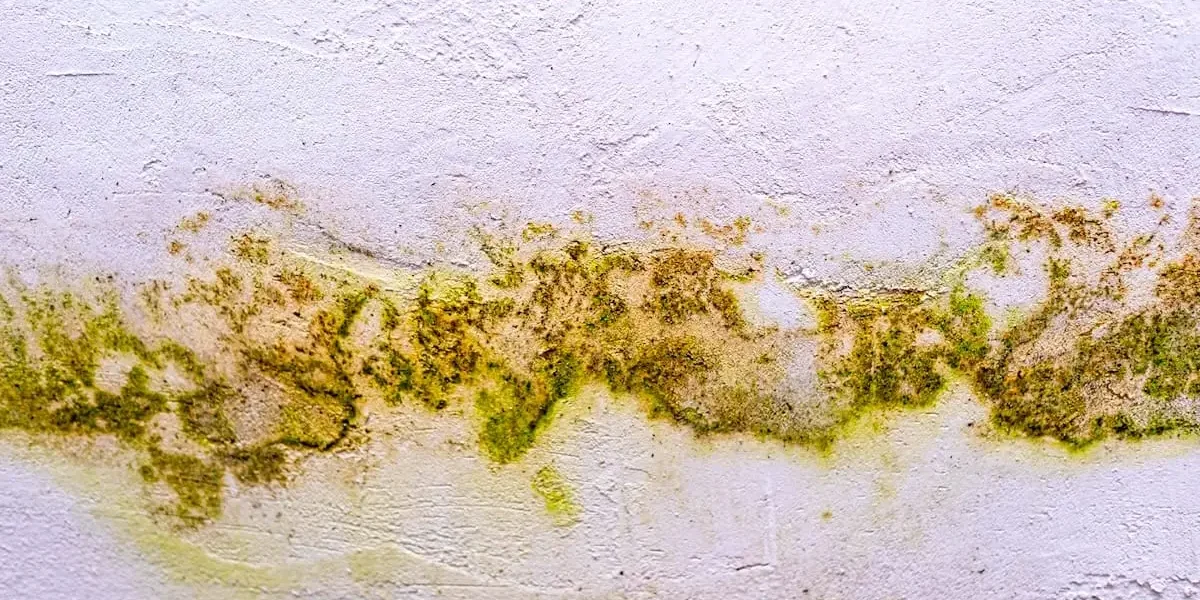
Often found in the shadowy corners of our homes, offices, and storage, an ancient adversary quietly lurks: mold. This ubiquitous fungus, a survivor from the dawn of life on Earth, thrives in environments we inadvertently create through water leaks, humidity, and neglect. The distinction between active mold and inactive mold is more than just academics—it’s a matter of health, structural integrity, and peace of mind. Imagine discovering a fuzzy patch on your basement wall after a flood; is it a burgeoning threat or a relic of past moisture? Follow us along as we dive deeper into the nuances of active versus inactive mold, drawing on scientific insights and practical advice to empower homeowners with knowledge that goes beyond surface-level concerns.
Defining Active Mold vs. Inactive Mold
At its core, mold is a type of fungus that reproduces through spores, breaking down organic matter in the process. Active mold refers to colonies that are currently growing and reproducing, fueled by the trifecta of moisture, organic food sources (like wood, paper, or dust), and suitable temperatures (typically between 40°F and 100°F). These thriving organisms actively produce mold spores, volatile organic compounds (MVOCs), and sometimes mycotoxins—potent chemicals that can exacerbate health issues.
In contrast, inactive mold, often called dormant or dry mold, has ceased active growth due to the absence of moisture. It appears as a powdery residue, with spores that remain viable but not proliferating. However, this dormancy is deceptive; if conditions improve, inactive mold can reactivate, transforming back into an active threat. Think of active mold as a living, breathing entity in a humid ecosystem. While inactive mold is like a seed in dry soil—patiently waiting for rain.
Visual and Sensory Characteristics
Identifying mold’s state often starts with the senses. Active mold typically presents as fuzzy, slimy, or bushy, with hair-like filaments that web across surfaces in the early stages, maturing into denser clusters. It feels damp to the touch and may smear when disturbed, emitting a strong, musty odor from MVOCs. Colors vary widely—black, green, white, or even pink—depending on the species, but vibrancy often indicates vitality.
Inactive mold, on the other hand, is dry and powdery, easily brushing off like dust. It lacks the slime or fuzz, appearing crusty or faded, with a milder scent. This state doesn’t produce new spores actively, but existing ones can become airborne when disturbed, posing risks during cleaning.
A simple “smear test” can help differentiate: if the mold smears like wet paint, it’s likely active; if it powders away, it’s inactive.
| Characteristic | Active Mold | Inactive Mold |
| Appearance | Fuzzy, slimy, bushy, vibrant colors | Dry, powdery, crusty, faded colors |
| Texture | Damp, smears when touched | Brittle, brushes off easily |
| Odor | Strong, musty | Faint or absent |
| Growth | Ongoing, producing spores and toxins | Dormant, no new growth |
The Health Implications
When it comes to mold’s impact on human health, it should not to be underestimated or disregarded. Black mold exposure affects an estimated 10-20% of the population with sensitivities. Both active and inactive forms pose risks, but their mechanisms differ. Active mold releases mycotoxins and MVOCs, which can trigger severe reactions like respiratory infections, skin irritations, and even neurological symptoms in vulnerable individuals. For instance, species like Stachybotrys (black mold) are notorious for producing toxins linked to chronic inflammatory responses.
Inactive mold, while not producing new toxins, still harbors allergenic spores and fragments that can cause allergic reactions, asthma exacerbations, or hypersensitivity pneumonitis when inhaled. Surprisingly, dry mold spores are lighter and more easily aerosolized, potentially spreading farther than those from active colonies. Populations at higher risk include children, the elderly, asthmatics, and those with compromised immune systems. Long-term exposure to either can impair structural materials, indirectly worsening indoor air quality.
A long-running myth persists that inactive mold is harmless. However, this stance has been debunked by experts who emphasize that “mold is mold,” and mold removal is essential regardless of state.
Common Causes and Prevention Strategies
Mold activation stems from moisture intrusion: leaks, floods, high humidity (>60%), or poor ventilation. While organic surfaces like drywall or carpet provide sustenance, which can turn dormant mold spores active within 24-48 hours of any wetting.
Prevention hinges on moisture control:
- Maintain indoor humidity levels below 50% by using dehumidifiers.
- Fix any water leaks promptly and ensure proper ventilation in bathrooms and kitchens.
- Use mold-resistant materials in all high-risk areas.
- Regular mold inspections, especially after water leaks, can catch issues early.
In storage, archives or libraries, where mold threatens irreplaceable items, environmental monitoring is crucial, with rapid response to humidity spikes.
Mold Remediation: Step-by-Step Approaches
Addressing mold requires caution to avoid spreading mold spores. For active mold, first eliminate moisture by reducing humidity below 30% or using fans/drying equipment—this deactivates it before cleaning. Then, contain the area with plastic sheeting, wear protective gear (N95 masks, gloves), and clean with HEPA vacuums or detergents. Porous materials may need replacement.
Inactive mold can be brushed or vacuumed away more easily, but always fix the underlying causes to prevent reactivation. If the affected areas larger than 10 square feet, professional mold remediation is recommended, which involves testing and containment protocols. Try to avoid bleach, since it doesn’t kill roots and can create harmful fumes. You should however opt for using EPA-approved fungicides.
In severe mold cases, a lab analysis can identify species and confirm activity, though visual inspection often suffices for initial action.
FAQs about Active Mold vs. Inactive Mold
Here are some of the most common questions about each type of mold mentioned here.
What is the difference between active mold and inactive mold?
Active mold is alive and growing and it thrives in moist, warm conditions with available food sources (like organic materials). It often appears fuzzy, slimy, wet, or smeary when touched, and it continuously produces new spores while potentially spreading quickly. Inactive (dormant) mold has dried out due to lack of moisture; it looks dry, powdery, flaky, or crusty, stops growing and producing many spores, but the spores and colony remain viable—they’re essentially “hibernating” and not dead.
Does inactive/dry mold mean the mold is dead and harmless?
No, inactive mold is not dead; it’s dormant and can reactivate if moisture returns (from a leak, high humidity, or flooding). Even when it’s dry, mold spores and fragments can still become airborne, trigger allergies, cause respiratory issues, or release remaining allergens/mycotoxins. “Dead” mold (non-viable) is rarer and usually requires specific killing agents; most “dry” mold people see is just temporarily inactive.
Is inactive mold still dangerous to one’s health?
Yes, it can be. While active mold often produces a stronger musty odor and more immediate irritation from ongoing spore release and volatile compounds, inactive mold spores remain allergenic and irritant. Disturbing dry mold (cleaning or moving items) can aerosolize spores, leading to similar health effects like sneezing, coughing, eye irritation, or worse for sensitive individuals (those with asthma or allergies). This is why so many experts stress that all visible mold—active or inactive—should be addressed for health and prevention reasons.
Do you need to remove inactive mold, or can you just leave it if it’s dry?
Yes, inactive mold should be removed (not ignored). Leaving it risks reactivation when conditions change, plus ongoing exposure to spores/allergens. Proper mold remediation involves fixing the moisture source first, then safely removing it (often with HEPA vacuuming, professional help for larger areas, and containment to avoid spreading spores). Simply drying it out isn’t enough. However, professional help is mostly recommended to ensure it’s fully addressed and doesn’t return.
Battling Active and Inactive Mold in Your Home
The battle between active mold and inactive mold underscores a broader truth: our environments are dynamic ecosystems where fungi play an inevitable role. By understanding their differences, homeowners can mitigate several risks more effectively. Whether safeguarding your family’s health or preserving cultural artifacts, proactive moisture management and timely intervention are always key. If a mold infestation invades your home, remember this: professional mold remediation specialists (like Mold Only) are your best allies for mold damage restoration.