

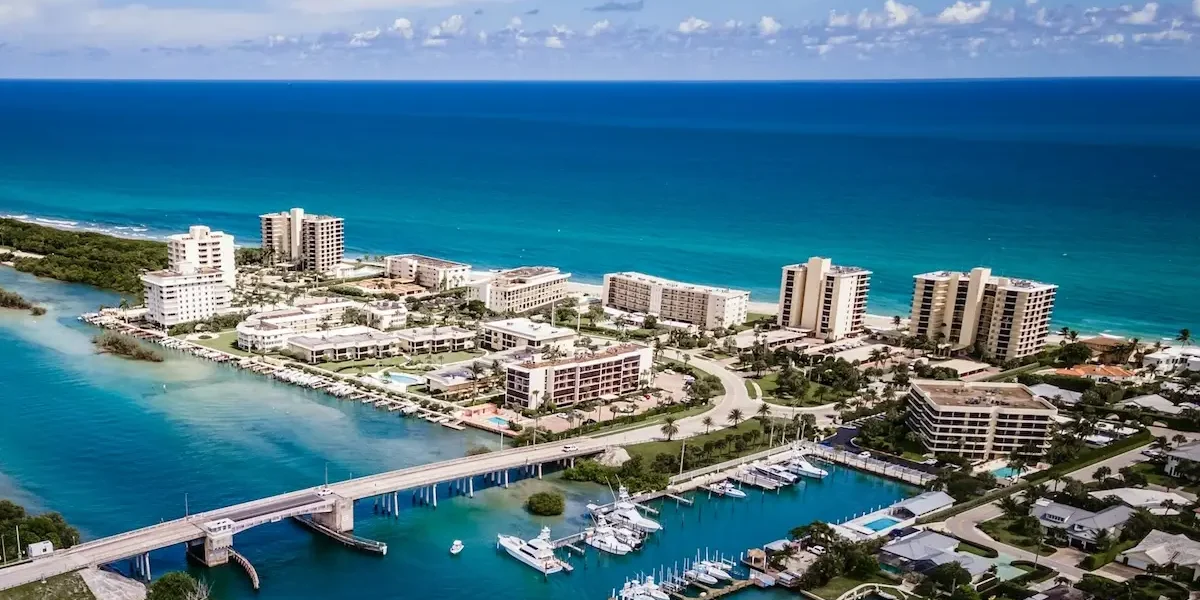
Try and picture this: You’re sipping iced coffee on your balcony in Singer Island, the ocean breeze rolling in, yachts bobbing in the distance. It’s the dream life along the bayside or oceanfront in places like Palm Beach and Broward counties. But beneath that postcard-perfect scene, there’s a sneaky adversary at work—mold. In South Florida’s coastal zones, where humidity hangs heavy and salt air is a constant companion, mold isn’t just an occasional nuisance; it’s a persistent threat that can turn your slice of paradise into a health hazard and a pricey fix. Let’s dive into why these waterfront homes are particularly vulnerable to higher mold risks, focusing on salt air’s corrosive bite, condensation woes, and even the unique issues in boats and yachts. Then, we’ll explore some cutting-edge ways to stay ahead of it all.
Why South Florida’s Coastline Breeds Mold
South Florida’s waterfront properties sit at the intersection of beauty and brutality when it comes to environmental factors. The region’s subtropical climate means year-round high humidity—often above 70%—which is basically an open invitation for mold spores to thrive. Mold needs just three things to flourish: moisture, warmth, and organic material like drywall or wood. In areas like Jupiter, Juno Beach, Singer Island, Palm Beach, and Fort Lauderdale, all three are in abundant supply.
Take Palm Beach, for instance. Its oceanfront setting creates one of the most mold-prone environments in the state. Constant humidity mixes with salt-air exposure, leading to hidden moisture buildup in walls, bathrooms, HVAC systems, and around windows overlooking the Intracoastal Waterway. Even in upscale spots like Worth Avenue, aging waterproofing on buildings lets water seep in during storms, while nonstop air conditioning operation causes condensation in ducts and attics. Over in Fort Lauderdale, the story’s similar: Air humidity rarely drops below 70%, fueling mold in homes and businesses alike. Daily rains and poor ventilation turn vents, kitchens, and slab foundations into breeding grounds, with coastal winds driving moisture deeper into structures. And let’s not forget the hurricanes— increased humidity and flooding from these storms provide the perfect setup for rapid mold growth.
But what makes these bayside and oceanfront homes high-risk for mold growth? It’s the combo of salt air and condensation that really amps up the danger.
Salty Air: The Silent Corroder
That refreshing sea breeze? It’s laced with salt particles that settle on everything from your home’s exterior to its inner workings. Salt air accelerates corrosion on metals, wood, and even paint, creating tiny cracks and weaknesses where moisture can sneak in. In coastal Florida, this isn’t just cosmetic— it weakens structural integrity and invites mold in.
For example, salt speeds up oxidation on metal components like roofs, railings, and HVAC parts, leading to rust, pitting, and eventual breakdowns. High humidity makes it worse, keeping those salt particles stuck to surfaces longer and turning them into a corrosive paste. In waterfront properties, this means degraded building materials that allow water intrusion, especially during king tides or storms. Over time, it can lead to weakened foundations, rusted hardware, and— you guessed it— mold from residual dampness. Homes closer to the shore, like those in Pompano Beach or along Fort Lauderdale’s canals, face even greater threats, with salted ocean air creating an environment ripe for growth on shoreside structures.
And if you think your beach house is safe because it’s elevated, think again. Salt in the air can degrade HVAC components, causing condensation and hidden water pockets that foster mold behind walls or in attics.
Condensation: The Invisible Moisture Machine
Condensation is mold’s best friend in these humid climes. With AC units running around the clock to combat the heat, cold surfaces like ducts, pipes, and windows sweat profusely, creating damp spots that mold loves. In Fort Lauderdale, where humidity surges with weather changes, this leads to pooling water from AC leaks or unsealed windows. The “Paston Effect” in hot, humid areas like South Florida explains those mysterious ceiling stains and musty odors— it’s basically attic mold from improper ventilation and humidity imbalances.
In waterfront homes, this is compounded by the outdoor environment. Salt-laden air increases conductivity, speeding up corrosion on AC coils and leading to more condensation. If your home has poor insulation or ventilation, that moisture lingers, turning into a mold hotspot.
Mold Risks Affecting Yachts and Boats
If your coastal property includes a dock or boat storage, don’t overlook the floating part of your lifestyle. Yachts and boats in South Florida are mold magnets due to enclosed spaces, constant water exposure, and limited airflow. In Fort Lauderdale— the “Yachting Capital of the World“— high humidity and warm temps create ideal conditions for mold on wood, fabric, and leather interiors.
Poor ventilation is the culprit here. When hatches and windows are closed, moisture from bilges, engine rooms, or condensation builds up, leading to toxic black mold in long-term leaks. Enclosed areas like cockpit lockers or cabins become breeding grounds without proper air circulation. Even storage in marinas amplifies the risk— shrink-wrap traps humidity, inviting mildew unless vents are used.
Signs? Musty smells, spotting on upholstery, or worse, health issues from airborne mold spores. Without fans, open vents, or dehumidifiers, mold can ruin interiors fast, especially in Florida’s relentless heat.
Prevention Strategies to Reduce Mold Risks
The good news? You don’t have to live in fear of mold. Start with the basics: Keep indoor humidity levels below 50-60% with dehumidifiers, fix leaks immediately, and ensure good ventilation by opening windows or using exhaust fans. Regular mold inspections for water damage, especially after storms, are key. For boats, prioritize airflow with solar vents and clean bilges routinely.
But let’s talk innovation— modern technology is changing the game for coastal homeowners.
Solar-Powered Dehumidifiers for Eco-Friendly Moisture Control
In sunny South Florida, why not harness the sun to fight humidity? Solar-powered dehumidifiers use panels to generate electricity, powering a compressor and fan that pull moist air over cold coils, condensing water out and expelling drier air. They’re perfect for waterfront homes or boats, reducing humidity without spiking your electric bill or relying on the grid.
The benefits? They prevent mold by keeping spaces dry, even in off-grid setups like yacht cabins. Portable models with battery storage work round-the-clock, and they’re green—no emissions, just renewable energy tackling that sticky air. Brands like SolarVenti offer ventilation systems that double as dehumidifiers, ideal for enclosed boat areas. For high-risk spots, they’re a smart,
Virtual Assessments: Tech-Driven Early Mold Detection
Gone are the days of waiting for an inspector to show up. Virtual mold assessments use video calls to spot issues remotely. Professional mold remediation companies like us can guide you through inspecting risk areas via your phone, analyzing for discoloration, moisture, or airflow problems in real-time. It’s contact-free, quick, and provides documented next steps—perfect for busy coastal dwellers or pre-storm checks.
This tech, born from pandemic needs, now includes high-clarity imaging for hidden corners and even AI for detecting mold spores. For yachts, it means assessing bilges without hauling out. It’s accessible, accurate, and helps decide if you need on-site remediation, saving time and money.
FAQs about Mold Risks for Waterfront and Coastal Properties in South Florida
Below are several common questions about mold risks for waterfront and coastal properties in South Florida. From Broward to Palm Beach county, learn more about what causes mold, how to remove it, and prevent it from returning to your property.
Why are waterfront and coastal homes in South Florida have higher mold risks than inland properties?
Properties along canals, the Intracoastal Waterway, beaches, or the ocean face constant exposure to high humidity, salt-laden air, condensation, and frequent water intrusion from tides, storm surge, and heavy rains. These conditions accelerate mold growth in crawlspaces, attics, walls, and HVAC systems, often making mold risks more severe and harder to control than in drier inland areas.
How do hurricanes and flooding uniquely affect mold growth in coastal homes?
Hurricanes and tropical storms bring rapid flooding and prolonged moisture that can saturate drywall, insulation, flooring, and structural materials within hours. In waterfront locations, storm surge and tidal flooding introduce additional saltwater, which promotes certain mold species and complicates drying efforts. Mold can begin colonizing within 24–48 hours if water is not removed quickly.
Can salt air and coastal humidity make mold harder to prevent?
Yes. Salt air is corrosive and attracts moisture, while the consistently high humidity in coastal South Florida (often 70–90%) creates ideal conditions for mold spores to germinate and spread. Ventilation is often limited in waterfront homes due to design features like elevated structures or enclosed spaces near docks and seawalls, trapping damp air inside.
What parts of a waterfront or coastal property are most vulnerable to mold?
Common problem areas include lower levels near sea walls or docks, crawlspaces, attics with poor airflow, HVAC systems exposed to humid outdoor air, bathrooms and kitchens with condensation, and areas around windows or sliding doors facing the water. Elevated homes on pilings can still develop issues in enclosed under-house spaces or from roof leaks after storms.
Do waterfront properties face greater health risks from mold exposure?
Yes. Higher mold spore levels and more frequent exposure to toxigenic molds (such as black mold) can intensify respiratory issues, allergies, asthma flare-ups, fatigue, and neurological symptoms. Residents who spend time outdoors near water or in poorly ventilated coastal homes may experience symptoms that worsen during humid seasons or after storms.
Is standard mold remediation enough for coastal and waterfront homes?
Not always. Coastal properties often require specialized approaches that account for ongoing salt air exposure, repeated flooding risks, and unique building features. Standard inland methods may fail to address hidden moisture pathways or prevent rapid regrowth without enhanced moisture control, better ventilation, and materials resistant to humid, salty conditions.
Can I prevent mold in my waterfront home just by using dehumidifiers?
Dehumidifiers can help maintain indoor humidity levels below 60%, but they are only one part of prevention. Waterfront homes also need prompt leak repairs, improved airflow, regular HVAC maintenance, elevated storage in flood-prone areas, and professional mold inspections after storms. Addressing the constant moisture sources from the surrounding environment is essential.
How soon after a storm should waterfront property owners inspect for mold?
As soon as it is safe to return, ideally within the first 24–48 hours. Early inspection and rapid drying can interrupt mold growth before it becomes established. Delaying increases your mold risks and the chance of widespread contamination in walls, floors, and ductwork common in coastal construction.
Should I get professional mold testing even if I don’t see visible mold?
Absolutely. Hidden mold behind walls, under flooring, or in HVAC systems is very common in waterfront homes due to undetected water intrusion. Professional air sampling and moisture mapping provide accurate insight into spore levels and risk, especially before buying, selling, or after water events.
When should waterfront or coastal property owners call a professional mold company?
Contact Florida certified mold remediation experts like Mold Only immediately if you notice musty odors, water stains, condensation issues, or health symptoms that improve away from home—particularly after storms, flooding, or during peak humidity seasons. We specialize in the many unique challenges of South Florida waterfront and coastal properties, offering tailored inspections, testing, safe remediation, and long-term mold prevention strategies that reduce mold risks.
Protecting Your Waterfront Home from Mold Risks
Living on South Florida’s waterfront is unbeatable, but ignoring mold risks from salt air, condensation, and poor ventilation can lead to costly headaches— or worse, health issues like allergies or respiratory problems. By understanding these challenges and leaning into innovations like solar dehumidifiers and virtual assessments, you can keep your home or yacht mold-free. If you’re spotting signs— musty odors, stains, or that nagging damp feel— don’t wait. At Mold Only, we’re experts in tailored mold removal and remediation solutions for these coastal woes.
If you need mold removed, please contact us today, or get a free mold removal estimate; let’s keep your property as fresh as that ocean breeze.