
If you’ve ever caught a whiff of that musty, earthy smell in your basement or spotted dark, slimy patches on your walls, you might be dealing with Stachybotrys chartarum, better known as black mold. It’s not just ugly—it’s a potential health hazard that can turn your cozy home or bustling office into a factory of symptoms. Don’t worry, though; we’re here to break it down in plain English, so you can spot the trouble early, understand the risks of black mold exposure, and know when to call in the pros. So, if you’re a homeowner or savvy business owner—let’s talk about something that can sneak into your space like an uninvited guest at a party: black mold.
What Exactly Is Black Mold?
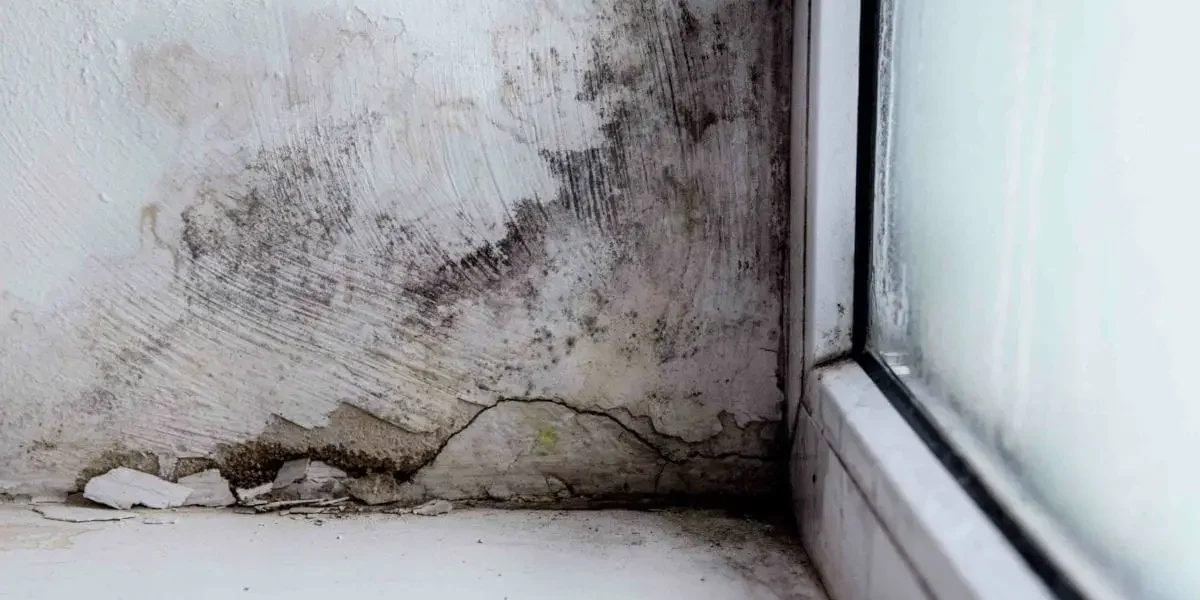
Black mold thrives in damp, humid spots where moisture lingers—like after a leak, flood, or just poor ventilation. It loves to hitch a ride on cellulose-rich materials such as drywall, wood, or even carpet. Unlike your run-of-the-mill white or green molds, black mold has that signature dark green-to-black hue and a slimy texture when it’s wet. But here’s the kicker: it’s not always the villain Hollywood makes it out to be. While all molds can cause issues, black mold gets the bad rap because it produces mycotoxins—nasty compounds that can amp up health problems.
The good news? It’s preventable with good airflow, quick leak fixes, and humidity control under 60%. But if it’s already there, ignoring it is like letting a slow drip turn into a flood. Now, onto the signs that scream “mold alert!”
Spotting the Warning Signs
You don’t need a detective’s magnifying glass to catch black mold early, but you do need to know what to look for. Here are the telltale clues:
- That Telltale Smell: A persistent musty or mildew odor that’s strongest in hidden spots like behind furniture or in HVAC vents.
- Visible Growth: Look for black or dark green patches that feel slimy to the touch (if it’s active). Common hotspots? Bathrooms, basements, attics, and around windows or pipes. If it’s dry, it might look fuzzy or powdery.
- Water Damage Clues: Warped walls, bubbling paint, or discoloration around leaks—these are mold’s welcome mat.
- Health Hints in Your Home: If family members or employees start sneezing more in certain rooms, that’s a red flag. Mold doesn’t always show its face right away; it can hide in walls or ceilings.
For businesses, you should keep an eye on storage areas or break rooms where humidity sneaks up. A quick walkthrough with a flashlight can save you major headaches (and doctor bills) down the line.
The Symptoms of Black Mold Exposure
Exposure to black mold spores happens mostly through inhalation, but skin contact or even ingestion (yikes, via contaminated food) can play a role. Common symptoms can mimic allergies or a cold, which is why they’re easy to brush off at first. But if multiple people in your home or office are feeling off, connect the dots.
Here’s a rundown of common symptoms, from mild annoyances to “whoa, this might be serious”:
- Respiratory Woes: Stuffy nose, sneezing, coughing, wheezing, or shortness of breath. If you have asthma, it can trigger attacks. Think of it as your lungs throwing a tantrum against airborne mold.
- Eye and Skin Irritation: Itchy, red, watery eyes or rashes that won’t quit. Non-allergic folks can get hit too—mold just loves irritating mucous membranes.
- Fatigue and Brain Fog: That unexplained tiredness, trouble concentrating, or mood swings? Black mold’s mycotoxins can mess with your nervous system, leading to cognitive glitches or chronic exhaustion.
- Other Sneaky Ones: Headaches, sore throats, sinus congestion, or even gastrointestinal upset like nausea. In rare cases, fever, chills, dry skin, or joint stiffness pop up.
Kids, the elderly, pregnant folks, or anyone with weakened immune systems (like from chemo or chronic illness) will feel it the hardest, and symptoms can escalate fast. If symptoms persist or worsen, hit up your doctor and mention possible black mold exposure; they might test for allergies or sensitivities.
The Real Health Risks Associated with Black Mold
Okay, deep breath—black mold isn’t a death sentence (despite the scary headlines). For most healthy adults, it’s more irritating than assassin, causing allergies or flare-ups. But chronic black mold exposure? That’s where several risks stack up:
- Allergic Reactions and Asthma: Up to 80% of asthmatics react to mold, worsening attacks and lung function over time.
- Infections for the Vulnerable: Immunocompromised folks risk fungal infections in lungs or sinuses—think invasive aspergillosis, but black mold can contribute.
- Neurological and Systemic Effects: Long-term? Studies link it to chronic fatigue, joint pain, memory issues, and even depression-like symptoms from ongoing inflammation. In businesses, this translates to sick days, lower productivity, and liability headaches if employees get ill.
The kicker: Mold allergy symptoms can linger even after exposure stops, and early intervention slashes risks. The bottom line? Don’t wait for it to become a full-blown crisis in your home.
Why DIY Mold Removal Might Backfire
We get it—spotting mold and thinking, “I’ll just bleach the mold away!” feels a bit empowering. For tiny spots (under 10 square feet), sure, scrub with detergent and fix the moisture source. But with black mold? It’s a real beast. Here’s why calling mold removal pros like the team here at Mold Only is your smartest move:
- Hidden Growth and Incomplete Removal: Mold burrows into porous stuff like drywall or insulation, making DIY a game of whack-a-mole. Pros like us use tools like moisture meters and air sampling to find all of it, ensuring it’s gone for good.
- Health Hazards During Cleanup: Disturbing it can release mold spores into the air, worsening symptoms or spreading it further. Pros wear PPE, use HEPA vacuums, and contain the area to protect you and your family (or staff).
- Tackling the Root Cause: It’s not just mold removal—remediation means drying out your space, improving ventilation, and preventing regrowth. Skip this, and you’re back to square one in months.
- Insurance and Peace of Mind: For bigger jobs or businesses, professionals like Mold Only document everything for homeowners insurance claims and provide certifications. Plus, they save you time and potential structural damage costs.
In short, professional mold remediation companies like Mold Only can turn a major nightmare into a non-issue within days. For reference, we specialize in safe, thorough mold removal and remediation services tailored to homes and businesses—no drama, just long-lasting results.
FAQs About Exposure to Black Mold Exposure
Here are some of the most common questions from homeowners about being exposed to black mold in their homes, especially in South Florida.
Is black mold really more dangerous than other types of mold?
Black mold (Stachybotrys chartarum) gets more attention because it can produce mycotoxins, which may intensify irritation and allergic reactions. However, for most healthy people it causes the same types of symptoms as other molds—mainly respiratory irritation, coughing, and eye/skin issues. The real danger comes from prolonged exposure in damp environments, not the color itself. All visible mold growth should be taken seriously and properly addressed.
Can black mold make you seriously ill or even be life-threatening?
In the vast majority of cases, no. Healthy adults usually experience allergy-like symptoms or asthma flare-ups. Serious infections are rare and typically only affect people with severely weakened immune systems, such as those undergoing chemotherapy, organ transplants, or with advanced lung disease. Black mold is not the “silent killer” portrayed in some headlines—early detection and professional remediation keep risks very low.
What are the most common symptoms of black mold exposure?
Symptoms often mimic a cold or allergies and may affect multiple people in the same space. The most reported include: persistent stuffy nose, sneezing, coughing, wheezing, itchy or watery eyes, skin rashes, headaches, sore throat, fatigue, brain fog, and trouble concentrating. In sensitive individuals, it can trigger asthma attacks or sinus problems. Symptoms frequently improve when you leave the affected building and return when you come back.
How do I know if my symptoms are from black mold and not something else?
The best clue is a clear connection to a damp or musty area in your home or workplace. If symptoms worsen in certain rooms, improve when you’re away, and coincide with visible dark patches, water stains, or a musty smell, black mold could be involved. See an allergist or pulmonologist for allergy testing and lung function checks. Mention possible mold exposure so they can evaluate properly. A professional mold inspection is the most reliable way to confirm presence and extent.
Can black mold exposure cause long-term or neurological problems?
Chronic exposure to black mold has been linked in some studies to prolonged fatigue, memory issues, joint pain, and mood changes, likely due to ongoing inflammation and mycotoxins. These effects are not common in short-term, low-level exposure and usually improve significantly once the mold source is fully removed and the environment is dried out. Most people recover well after professional mold remediation.
Is it safe to remove black mold myself?
Only for very small areas (under 10 square feet) that are easy to access. Even then, you must wear proper protection and fix the moisture problem first. Larger infestations or hidden growth behind walls, in HVAC systems, or under flooring should never be handled as a DIY project. Disturbing black mold without containment can spread the spores throughout your home, making symptoms worse and allowing regrowth.
How quickly can black mold affect my health?
It depends on the person, the amount of mold, and ventilation. Sensitive individuals (children, elderly, asthmatics, or immunocompromised) may notice symptoms within days or weeks of heavy exposure. Healthy adults might not feel the effects for months of low-level exposure. The sooner you identify and eliminate the moisture source and mold, the lower the risk of prolonged issues.
Does black mold always produce a strong musty smell?
Not always. Many people notice a persistent earthy or “dirty socks” odor, especially in enclosed or poorly ventilated spaces. However, some infestations—particularly hidden ones—produce little to no detectable smell until the colony grows larger or is disturbed. Visible dark slimy or powdery patches and water damage signs are often more reliable indicators than smell alone.
Can it come back after professional removal?
Only if the underlying moisture problem isn’t fixed. Mold Only always addresses the root cause—leaks, poor ventilation, high humidity (keep it under 60%), or condensation—along with thorough remediation. When the source of water is eliminated and proper drying and prevention steps are followed, black mold does not return.
When should I call a professional about exposure?
You should call a certified mold remediation company (like Mold Only) immediately if you see dark green-to-black growth larger than a small patch, notice a musty smell with unexplained symptoms, have had recent water damage, or if family members (especially children or those with asthma) are experiencing ongoing respiratory or fatigue issues. A visual inspection can locate hidden mold and provide documentation for insurance if needed.
Take Control Before Mold Takes Over
Black mold exposure doesn’t have to be your story’s villain—knowledge is your superpower. Keep an eye out for those signs, listen to your body’s symptoms, and remember the risks are real but manageable. If you’re nodding along thinking, “This sounds like my place,” don’t delay. Reach out to Mold Only today to schedule a thorough, visual mold inspection. We’re here to help you breathe easy again—literally.
Got questions? Call us or drop us a line today; we’ve got your back.