

If you’re at home and spot a pinkish, slimy residue creeping across your bathroom tiles, grout, or shower curtain, your first thought might be, “What is that?” Often mistaken for mold, this vibrant intruder is commonly referred to as “pink mold,” but it’s not always what it seems. In this guide, we’ll dive deeper into what pink mold really is, what causes it to thrive in bathrooms, how to effectively clean it, and when its presence might signal a deeper issue requiring professional mold removal services. With a unique perspective, we’ll also explore some lesser-known quirks of this bathroom nuisance and practical tips to keep it at bay.
What Is Pink Mold?
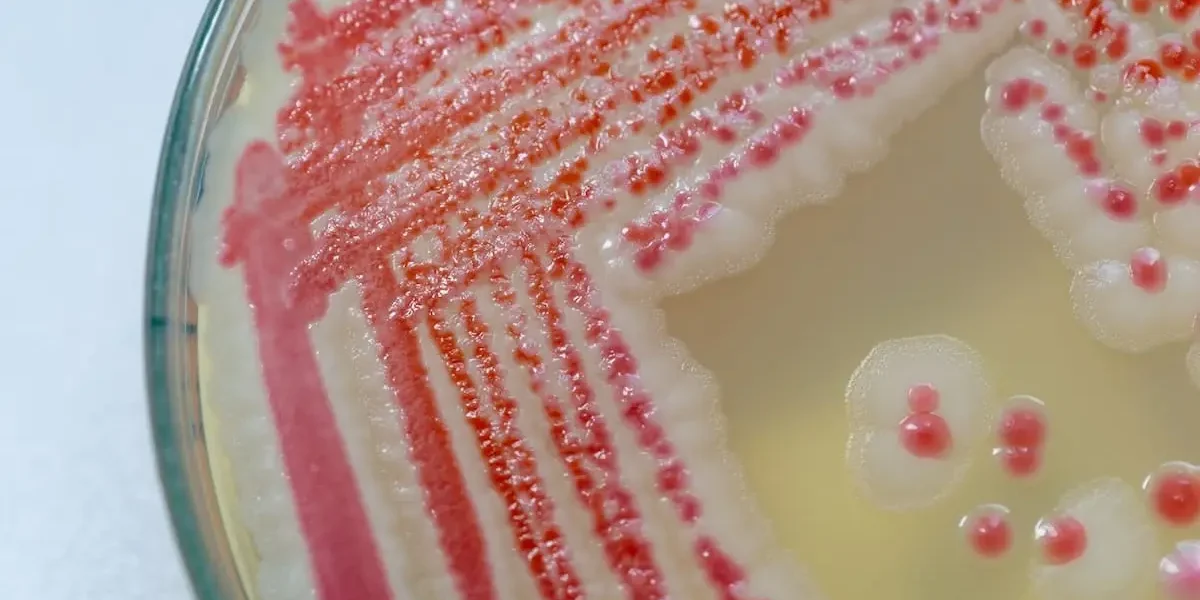
Despite its name, pink mold isn’t always a true mold. The pinkish or reddish-orange patches you see in bathrooms are often caused by Serratia marcescens, a type of bacteria, though certain molds like Aureobasidium or Fusarium can also appear pink under specific conditions. Serratia marcescens is an opportunistic, airborne bacterium that loves warm, moist environments—making your bathroom its dream home. Unlike black mold (e.g., Stachybotrys chartarum), which is a true fungus and potentially toxic, pink mold is typically less dangerous but can still pose health risks, especially for those with compromised immune systems.
This bacteria forms a slimy, biofilm-like coating that clings to surfaces like grout, caulk, showerheads, and even toothpaste residue in sinks. Its vibrant hue comes from a pigment called prodigiosin, which can range from pale pink to deep red depending on environmental factors like temperature or nutrient availability. Fun fact: Serratia marcescens has been studied in labs for its pigment and was once used in experiments to trace bacterial spread—sometimes even turning up in unexpected places like hospital settings or on food.
What Causes Pink Mold in Bathrooms?
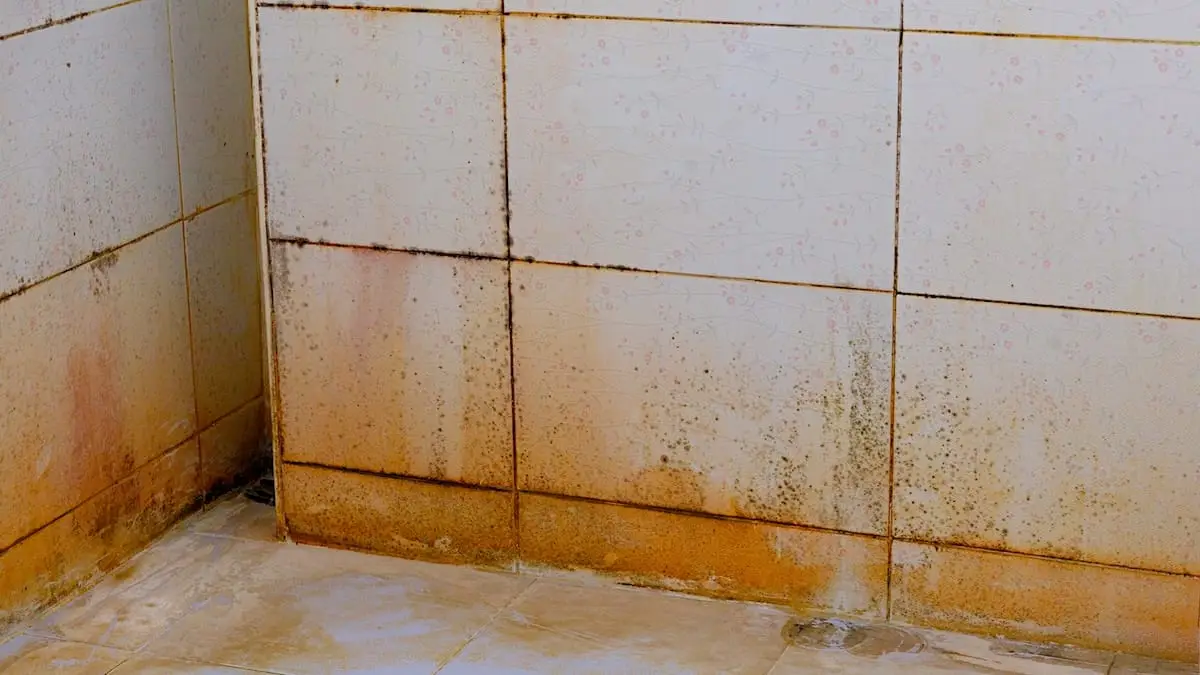
Pink mold thrives in bathrooms due to a perfect storm of conditions. Here’s what’s rolling out the red carpet for this unwelcome guest:
Moisture Galore: Bathrooms are humidity hubs. Showers, baths, and even poor ventilation create a consistently damp environment where Serratia marcescens can flourish.
Organic Matter: Soap scum, body oils, shampoo residue, and even dead skin cells provide a buffet for bacteria. These organic materials accumulate on surfaces, feeding pink mold and helping it spread.
Warm Temperatures: Bathrooms, especially after a hot shower, maintain the warm, cozy conditions (around 68–86°F or 20–30°C) that Serratia loves.
Poor Ventilation: Lack of airflow, such as from a weak or nonexistent exhaust fan, traps moisture and encourages bacterial growth. A steamy bathroom without a window or fan is a pink mold paradise.
Neglected Cleaning: Infrequent cleaning allows bacteria to establish colonies. Grout, caulk, and shower curtains are particularly vulnerable if not regularly scrubbed.
Contaminated Water: Although this happens in rare cases, Serratia marcescens can enter through contaminated water supplies or plumbing systems, especially in older homes or buildings with stagnant water.
Did you know that pink mold can sometimes “travel”? Serratia marcescens is airborne and can spread through water droplets or even on your cleaning sponge if not properly sanitized. This means that wiping down a pink-stained surface with a dirty sponge might inadvertently spread the bacteria to other areas of your bathroom!
How to Get Rid of Pink Mold
Removing pink mold is usually straightforward, but it requires diligence to prevent recurrence. Here’s a simple step-by-step guide to banish it from your bathroom:
#1: Gear Up for Safety
- Wear gloves, a face mask, and eye protection to avoid direct contact with bacteria or cleaning fumes.
- Open a window or turn on the exhaust fan to ventilate the area.
#2: Gather Cleaning Supplies
- White vinegar (undiluted) or hydrogen peroxide (3% solution)
- Bleach (diluted 1:10 with water for non-porous surfaces)
- A spray bottle
- A scrub brush or old toothbrush for grout
- Baking soda (optional for abrasive scrubbing)
- Clean microfiber cloths or paper towels
- A bucket for soaking removable items like shower curtains
#3: Clean the Affected Areas
Non-Porous Surfaces (Tiles, Glass, Metal):
- Spray undiluted white vinegar or hydrogen peroxide directly onto the pink mold. Let it sit for 10–15 minutes to break down the biofilm.
- Scrub with a brush to remove the residue, then rinse with water.
- For stubborn stains, use a diluted bleach solution (1 part bleach to 10 parts water) and scrub again. Rinse thoroughly to avoid bleach residue.
Porous Surfaces (Grout, Caulk):
- Apply vinegar or hydrogen peroxide and let it soak for 15–20 minutes.
- Sprinkle baking soda over the area for extra abrasion, then scrub with a toothbrush.
- If the stains persist, a bleach solution can be used, but test a small area first to ensure it doesn’t damage the grout or caulk.
Shower Curtains or Liners:
- Remove the curtain and soak it in a bucket with warm water and a cup of vinegar or bleach (check manufacturer instructions for bleach compatibility).
- Scrub with a brush, rinse, and hang to dry completely.
#4: Dry and Disinfect
- Wipe all surfaces dry with a clean cloth to remove moisture.
- Disinfect cleaning tools (brushes, sponges) by soaking them in a bleach solution or running them through a hot dishwasher cycle.
#5: Prevent Recurrence
- Run an exhaust fan during and after showers for at least 20–30 minutes.
- Open a window when possible to improve airflow.
- Clean your bathroom weekly, focusing on grout, caulk, and corners.
- Use a squeegee to remove water from tiles and glass after showers.
- Consider a dehumidifier in poorly ventilated bathrooms.
- Replace old, cracked caulk, as it can harbor bacteria.
Tip: Add a few drops of tea tree oil to your cleaning solution. Its natural antibacterial properties can help deter Serratia and leave your bathroom smelling fresh. Just dilute it (10–15 drops per cup of water or vinegar) to avoid skin irritation.
Why Pink Mold Might Indicate a Bigger Problem
While pink mold is often a surface-level issue that can be managed with regular cleaning, its persistence or widespread presence could signal underlying problems that require expert mold removal services. Here are some of the red flags to look out for:
Recurring Pink Mold Despite Cleaning: If pink mold keeps returning after thorough cleaning, you may have hidden moisture sources, such as:
- Leaky pipes or faucets behind walls or under floors.
- Poorly sealed tiles or grout allowing water seepage.
- A malfunctioning exhaust fan or inadequate ventilation system.
Accompanying Black or Green Mold: If you spot pink mold alongside darker molds, you could be dealing with a mixed microbial growth. Black mold, like Stachybotrys, is toxic and requires professional remediation due to its potential to cause respiratory issues, allergies, or neurological symptoms.
Health Symptoms: Serratia marcescens can cause infections in immunocompromised individuals, the elderly, or young children. Symptoms such as persistent respiratory irritation, skin rashes, or urinary tract infections (if bacteria spreads via water) may warrant investigation. If anyone in your household experiences these, consult a doctor and consider a mold inspection.
Musty Odors or Water Damage Signs: A persistent musty smell, warped walls, or discolored drywall could indicate hidden mold growth fueled by chronic moisture. Pink mold might just be the visible tip of the iceberg.
Large-Scale Infestation: If pink mold covers any large areas or appears in multiple rooms, it could point to contaminated plumbing or HVAC systems spreading bacteria. This requires professional assessment to trace and eliminate the source.
When to Call Expert Mold Removal Experts
In case you suspect that you have any of these issues, it’s time to call in professionals. Mold remediation experts like us can:
- Use advanced tools like moisture meters and infrared cameras to detect hidden leaks or mold.
- Test for toxic molds or bacterial contamination in air and water.
- Safely remove and dispose of contaminated materials (e.g., drywall, insulation).
- Address structural issues like plumbing leaks or ventilation problems.
- Provide long-term solutions, such as installing proper ventilation systems or sealing.
Remediating mold-damaged areas
Look for certified professionals like Mold Only with experience in mold remediation. Check their credentials, reviews, and ensure they follow industry standards, such as those set by the Institute of Inspection, Cleaning and Restoration Certification (IICRC).
Unique Considerations and Mold Prevention Tips
To wrap up, here are some unique insights and proactive steps to keep pink mold at bay:
Upgrade Your Shower Head: Some modern shower heads have antimicrobial coatings that deter bacterial growth. Look for models labeled as “antibacterial” or “mold-resistant.”
Use a HEPA Filter Vacuum: You should occasionally vacuum your bathroom with a HEPA filter vacuum to capture airborne Serratia spores that might settle on surfaces.
Monitor Your Toothbrush: Serratia marcescens loves damp toothbrushes. Store yours in a dry, ventilated holder and replace it every 3–4 months.
Check Your Water Heater: If your water heater is set too low (below 120°F or 49°C), it can allow bacteria to thrive. Consult with a plumber to ensure safe temperature settings.
By staying vigilant with cleaning, improving ventilation, and addressing moisture issues promptly, you can keep pink mold under control. Furthermore, if the problem persists or escalates, you should not hesitate to call in the experts to inspect your home for mold.
Although pink mold may seem like a minor annoyance, it’s really a sign your bathroom’s environment needs attention. With the right approach, you can eliminate it and prevent its return—keeping your space clean, safe, and pink-free. In the event you’re facing stubborn mold or suspect hidden issues, reach out to a Mold Only for professional mold remediation services to get to the root of the problem. For more information on maintaining a mold-free home, check out our mold resources for helpful tips.